
 Buy Tickets for this Journey

The Premium journey badge is a sign that this journey has has achieved the highest level of accreditation by our team in our review of its customer experience.
30, Nottingham to Wollaton
 Countryside
  History & Heritage
  Prices:
£3 for a single journey
 Travel Type:
Bus
 No. of Attractions:
10 places to visit
View journey Attractions Journey Duration:
29 minutes
 Route Frequency:
Every 20 minutes
 Starting point:
Nottingham Victoria Centre (J5 stop)
How to get hereJourney fact:
Wollaton was once home to extensive underground tunnels beneath Wollaton Hall, some believed to have been used by servants to move unseen. A few are now sealed, leaving parts of this hidden network largely unexplored and rarely mentioned.
Journey Overview
The Pink Line 30 provides one of Nottingham City Transport’s most appealing suburban journeys, linking the city centre with the historic and leafy district of Wollaton. Operated by modern electric single‑deckers, the route offers a smooth, quiet ride that suits the character of the neighbourhoods it serves. Departing from Nottingham’s bustling core, the bus begins its journey close to the major retail and cultural landmarks that define the city centre, before heading west along Derby Road, a corridor rich in architectural variety and academic heritage. This stretch passes near the University of Nottingham’s Jubilee Campus, a striking example of contemporary design with its lakes, landscaped grounds and innovative buildings.
As the bus continues, it enters the long‑established residential areas of Lenton Abbey and Wollaton Park, districts shaped by twentieth‑century suburban development. The route skirts the edge of the University of Nottingham’s main campus, one of the largest and most attractive university sites in the country, with its extensive parkland and the prominent Trent Building overlooking the lake. The transition from the dense urban fabric of the city centre to the greener, more spacious suburbs is gradual but noticeable, with tree‑lined streets and wider avenues becoming more common as the bus progresses.
Approaching Wollaton, the route passes close to one of Nottingham’s most significant heritage sites: Wollaton Park, home to the grand Elizabethan mansion of Wollaton Hall. The park’s extensive grounds, lakes and woodland provide a dramatic backdrop to the final section of the journey. Nearby, the Nottingham Industrial Museum and other attractions located within the park’s outbuildings add further interest. The bus continues to the heart of Wollaton, a district that combines village‑like charm with the amenities of a well‑established suburb. The journey offers a clear sense of Nottingham’s westward expansion and the layers of history that have shaped this part of the city.
A Fab Day Out!
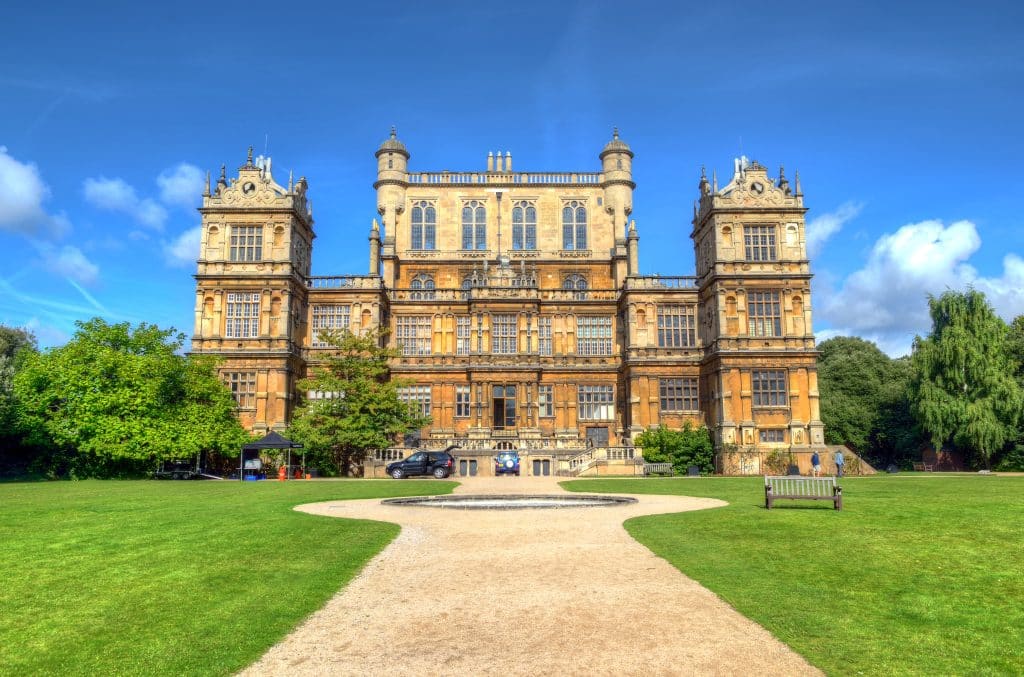
Wollaton is one of Nottingham’s most rewarding destinations for a day out, offering a rich blend of heritage, parkland and local character. At its centre stands Wollaton Hall, an imposing Elizabethan mansion completed in the 1580s for Sir Francis Willoughby. Designed by the architect Robert Smythson, the hall is widely regarded as one of the finest examples of Elizabethan prodigy house architecture in the country. Its dramatic silhouette, visible from across the park, has made it a landmark for centuries and even earned it a role as Wayne Manor in the 2012 film The Dark Knight Rises. Today, the hall houses Nottingham’s Natural History Museum, with extensive collections covering zoology, geology and botany. The displays range from taxidermy specimens to mineral collections, offering visitors a broad introduction to the natural world.
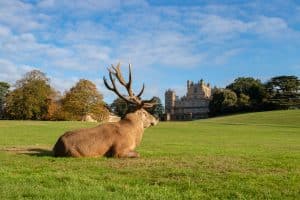
Surrounding the hall is Wollaton Park, a vast expanse of landscaped grounds that covers more than 500 acres. The park is home to herds of red and fallow deer, which roam freely across the grassland and woodland areas. The mixture of open space, lakes, formal gardens and wooded paths makes the park suitable for a wide range of activities, from leisurely strolls to more energetic walks. The lake, located near the hall, provides a scenic focal point, while the formal gardens behind the mansion offer a quieter, more structured environment. Throughout the year, the park hosts events, exhibitions and outdoor activities, adding further variety to a visit.
One of the key attractions within the park is the Nottingham Industrial Museum, located in the former stables and outbuildings of Wollaton Hall. The museum showcases Nottinghamshire’s industrial heritage, with exhibits covering textiles, mining, transport, engineering and communications. Visitors can see working steam engines, lace‑making machinery and examples of the equipment that powered the region’s industrial growth. The museum’s volunteers often demonstrate machinery in operation, bringing the exhibits to life and offering insight into the skills and technologies that shaped Nottingham’s past. The site also includes the Steam Hall, where larger engines and industrial equipment are displayed.
Adjacent to the Industrial Museum is another cultural attraction: the Nottingham Natural History Museum within the hall itself. Together, these two museums provide a comprehensive look at both the natural and industrial history of the region, making Wollaton a particularly rich destination for visitors with an interest in heritage and science.
After exploring the museums, many visitors head to the 508 Café, located near the Industrial Museum. Named after one of the museum’s historic steam engines, the café offers a convenient and welcoming place to pause for refreshments. Its location within the park makes it an ideal stopping point during a day of walking and sightseeing, and its menu of drinks, snacks and light meals caters to families, walkers and museum visitors alike.
Beyond the park, Wollaton village itself offers further interest. The district retains a strong sense of identity, with a mix of traditional shops, pubs and local services centred around Bramcote Lane and Wollaton Road. The Admiral Rodney and The Wollaton are two of the area’s well‑known pubs, offering food and drink in characterful surroundings. The village’s residential streets, many lined with mature trees and well‑kept gardens, reflect the area’s development during the twentieth century as a desirable suburban district.
For those who enjoy walking, Wollaton provides several routes that extend beyond the park. Footpaths lead towards Bramcote, Beeston and Trowell, offering opportunities to explore the wider landscape of Nottingham’s western edge. The combination of parkland, suburban streets and nearby countryside makes Wollaton an excellent base for a varied day of exploration.
Travelling on the Pink Line 30 enhances the experience. The electric single‑deckers provide a quiet, comfortable journey, and the route’s progression from Nottingham’s urban centre to the green expanses of Wollaton Park gives the trip a clear sense of transition. With its blend of heritage, museums, wildlife and open space, Wollaton offers a day out that is both relaxing and richly informative, all easily reached by a straightforward bus ride from the city.
Timetables & more...
 View Route & Timetable
 View tickets and fares
How to get here...

Visit the megabus website and view megabus services that will transport you to this exceptional scenic journey.
Visit megabus site

Visit the National Rail Enquiries website to discover train routes that will lead you to this magnificent scenic adventure.
Visit National Rail
Plan your route to this Great Scenic Journey

Take your scenic journey to the next level by embarking on this delightful walk, carefully curated by the expert team at Go Jauntly, the leading walking app provider.
 Museums
 Family Friendly
 City & Culture
 Sport
Sport


 Food and drink

 Castle to Minster - a vibrant route through Nottinghamshire's finest!
 Major Landmarks