
 Buy Tickets for this Journey
90, Nottingham to Newark
 Family Friendly
  History & Heritage
  City & Culture
  Food and drink
  Prices:
From £3 for a single journey
 Travel Type:
Bus
 No. of Attractions:
9 places to visit
View journey Attractions Journey Duration:
1 hour 8 minutes
 Route Frequency:
Hourly Monday to Saturday daytimes Two hourly Sunday daytime Two hourly Monday to Saturday evening, with the last bus back from Nottingham at 22:30 on Saturdays
 Starting point:
Nottingham Beastmarket Hill (Stop B3)
How to get hereJourney fact:
In medieval times, Newark hosted one of England’s busiest river crossings, where tolls funded a castle that later witnessed King John’s death nearby in 1216 during a royal campaign halt.
Journey Overview
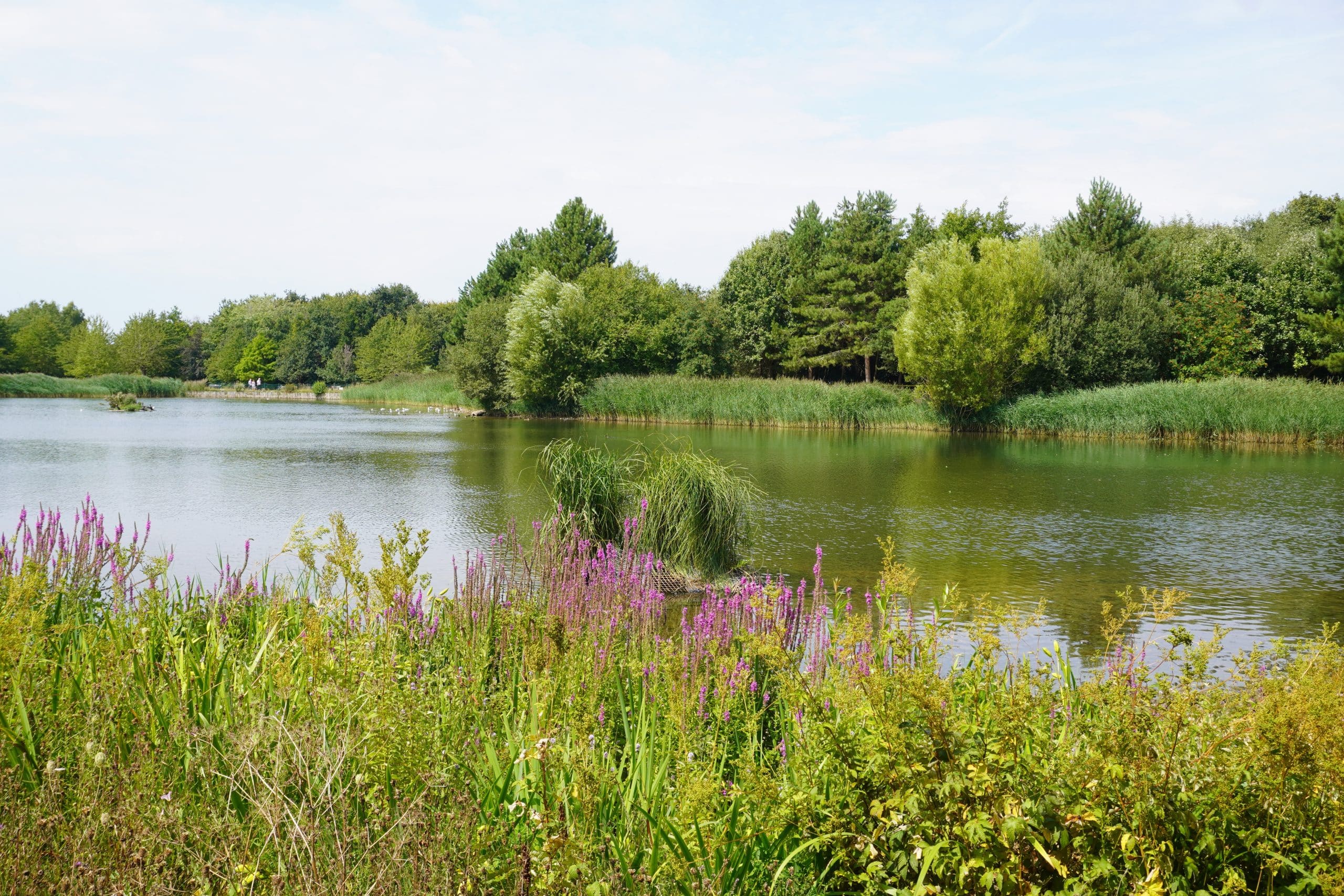
The Pathfinder 90 service from Nottingham to Newark provides a direct and engaging cross‑county journey that traces one of Nottinghamshire’s most historically significant corridors. Operated by Nottingham City Transport, the route leaves Nottingham’s centre and heads east, following a line of travel that has connected the Trent Valley’s major settlements for centuries. The bus moves through the city’s eastern districts before reaching Gamston Lock, an area shaped by its proximity to the Grantham Canal and the River Trent. The canal, opened in the late eighteenth century, once carried coal, agricultural produce and building materials between Nottingham and the wider East Midlands, and its surviving locks and towpaths remain a reminder of the region’s industrial past.
From Gamston Lock the service continues towards Radcliffe on Trent, a substantial village with a long history of settlement and a reputation for its elevated views over the Trent Valley. Radcliffe’s growth accelerated in the Victorian era with the arrival of the railway, and its mix of older cottages, civic buildings and twentieth‑century housing reflects its evolution into a commuter hub. Beyond Radcliffe, the route presses on to Bingham, a traditional market town whose medieval street pattern remains visible in its central lanes and courtyards. Bingham’s market charter dates back to the thirteenth century, and the town has long served as a focal point for the surrounding agricultural landscape.
Leaving Bingham, the 90 heads through East Stoke, an area best known for the Battle of Stoke Field in 1487, widely regarded as the final engagement of the Wars of the Roses. The landscape here is shaped by centuries of farming and by the Trent’s broad floodplain. The final stretch into Newark brings passengers into a town whose strategic importance has been recognised since Roman times. The full journey takes a little over an hour, offering a clear sense of Nottinghamshire’s varied topography and its long history of settlement, trade and transport.
A Fab Day Out!
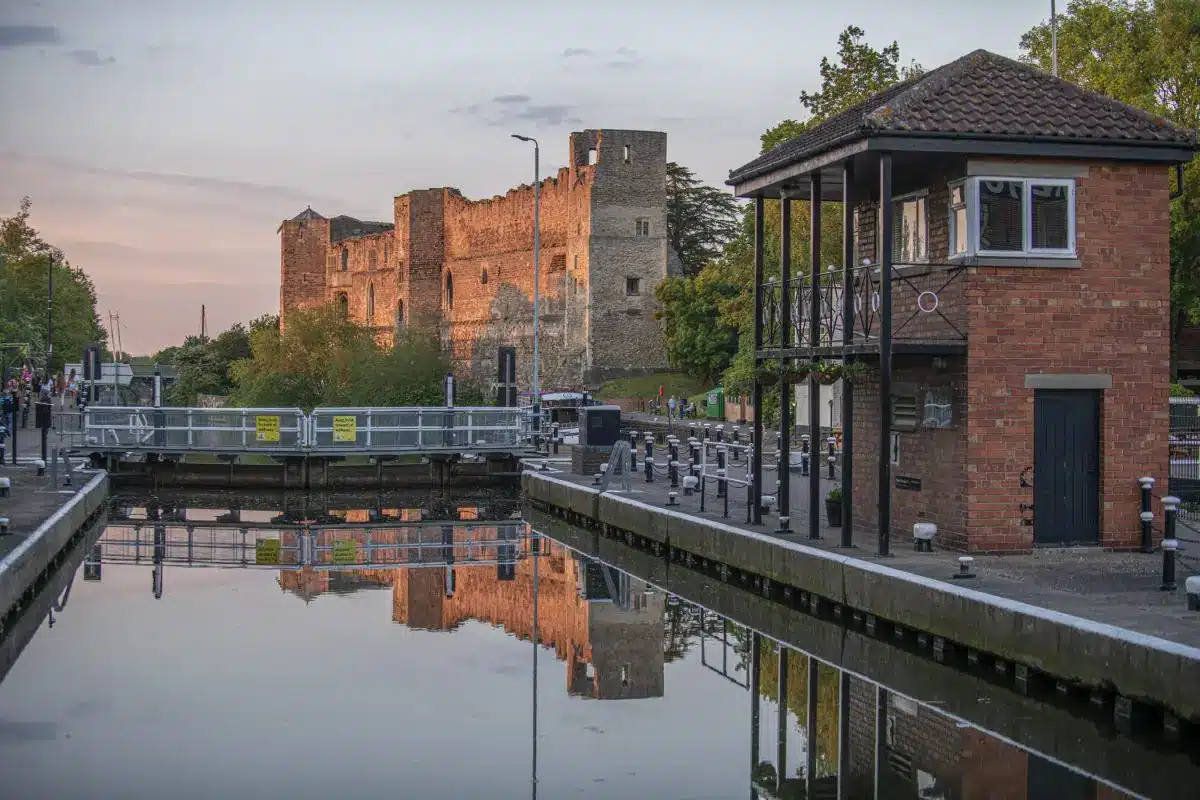
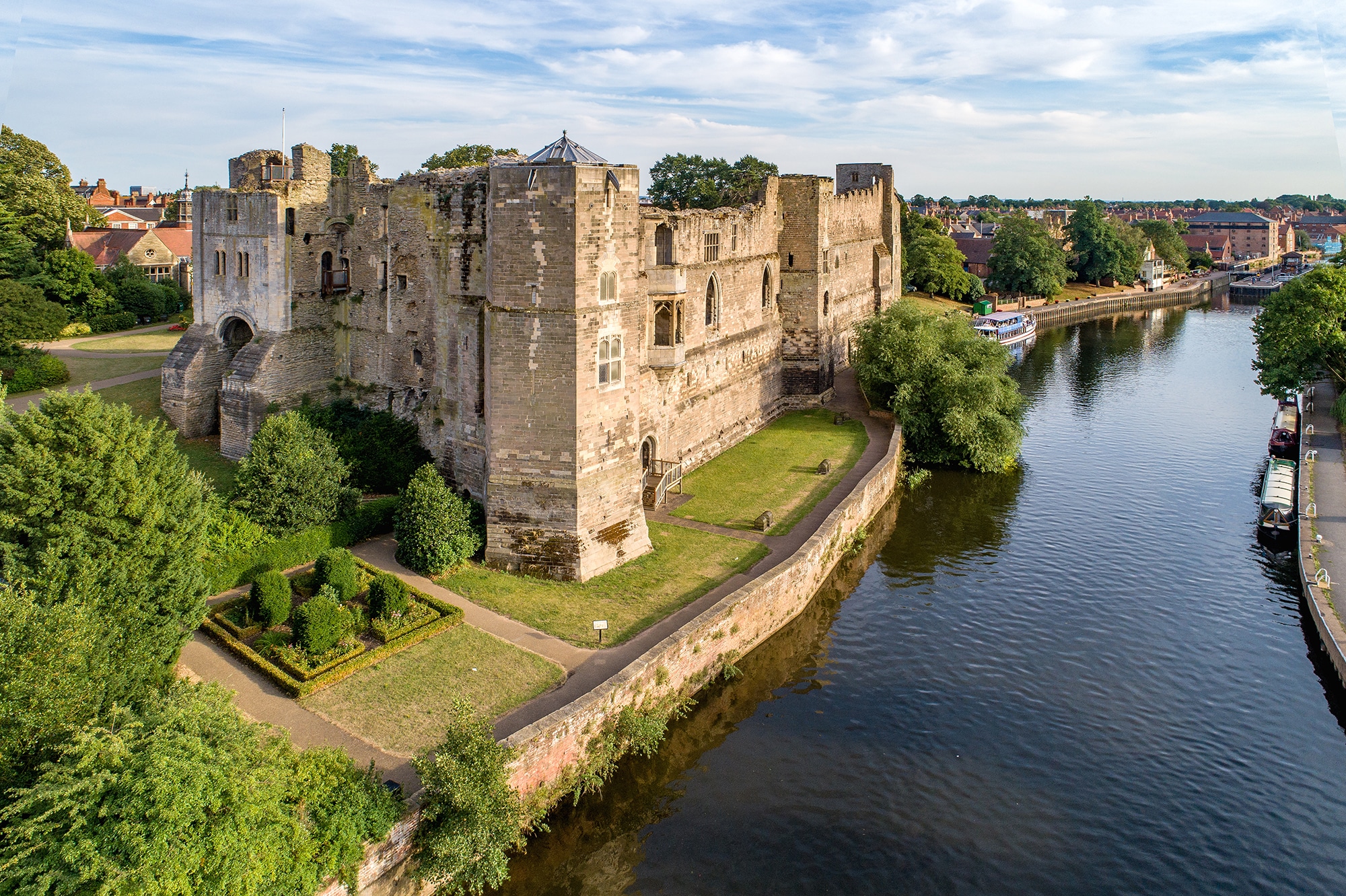
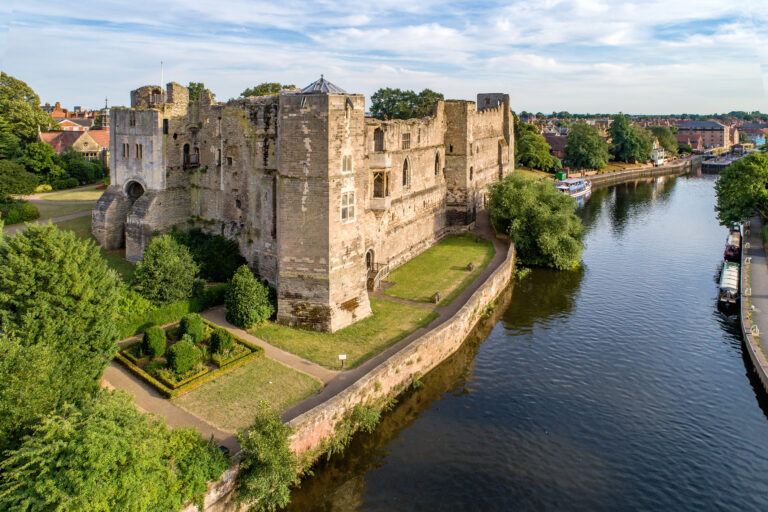
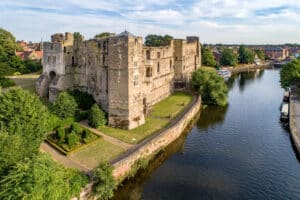
Newark presents visitors with a rich concentration of heritage, architecture and cultural interest, making it an ideal destination for a day trip at the end of the Pathfinder 90 route. The town’s most commanding landmark is Newark Castle, positioned directly beside the River Trent. Built in the twelfth century by Bishop Alexander of Lincoln, the castle became a major stronghold during the medieval period and later played a central role in the English Civil War. Its imposing gatehouse, surviving curtain walls and carefully maintained gardens allow visitors to explore both the defensive architecture and the quieter, landscaped spaces that now surround the ruins. The riverside walk provides excellent views of the structure and highlights the strategic importance of its location.
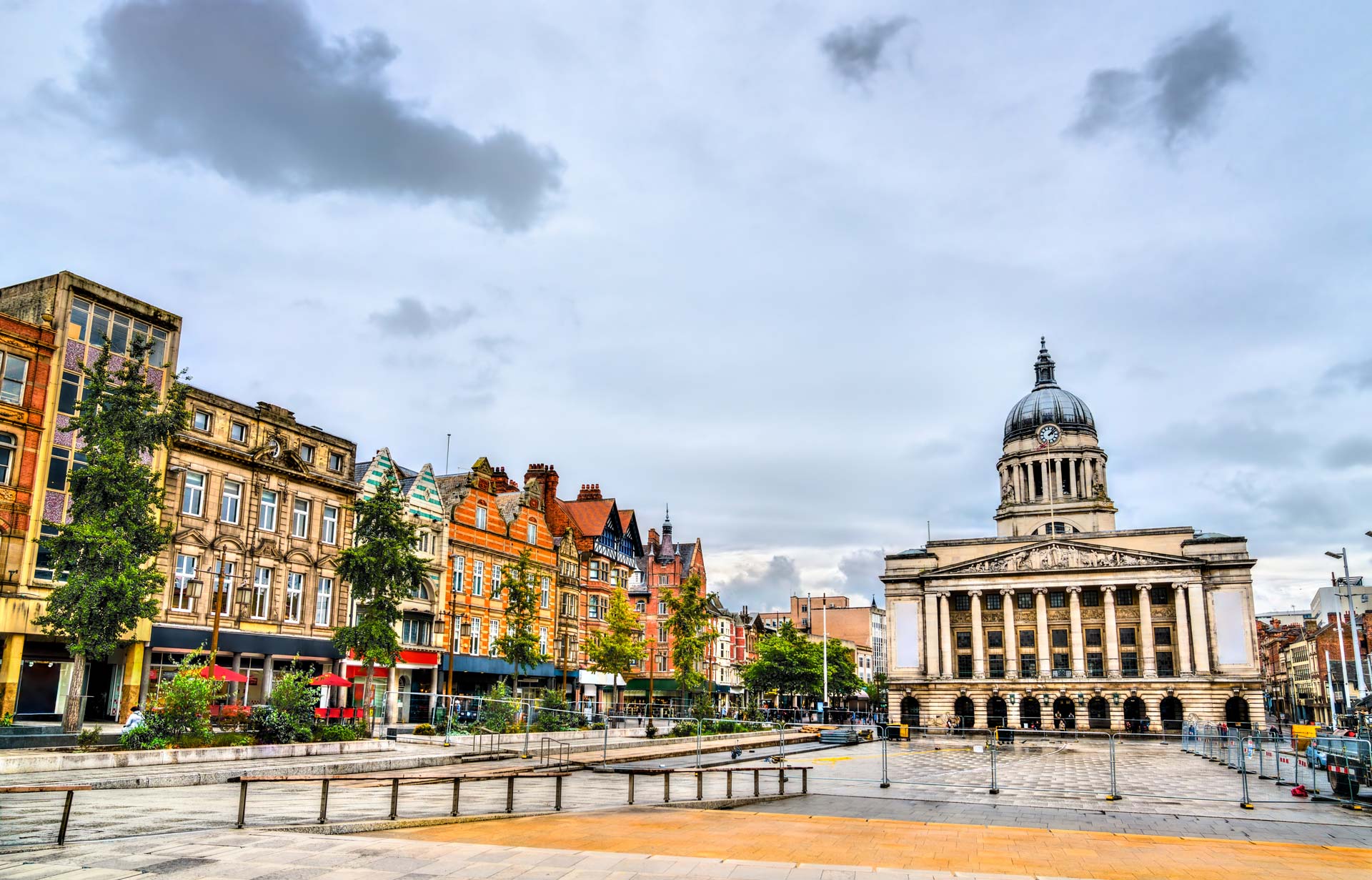
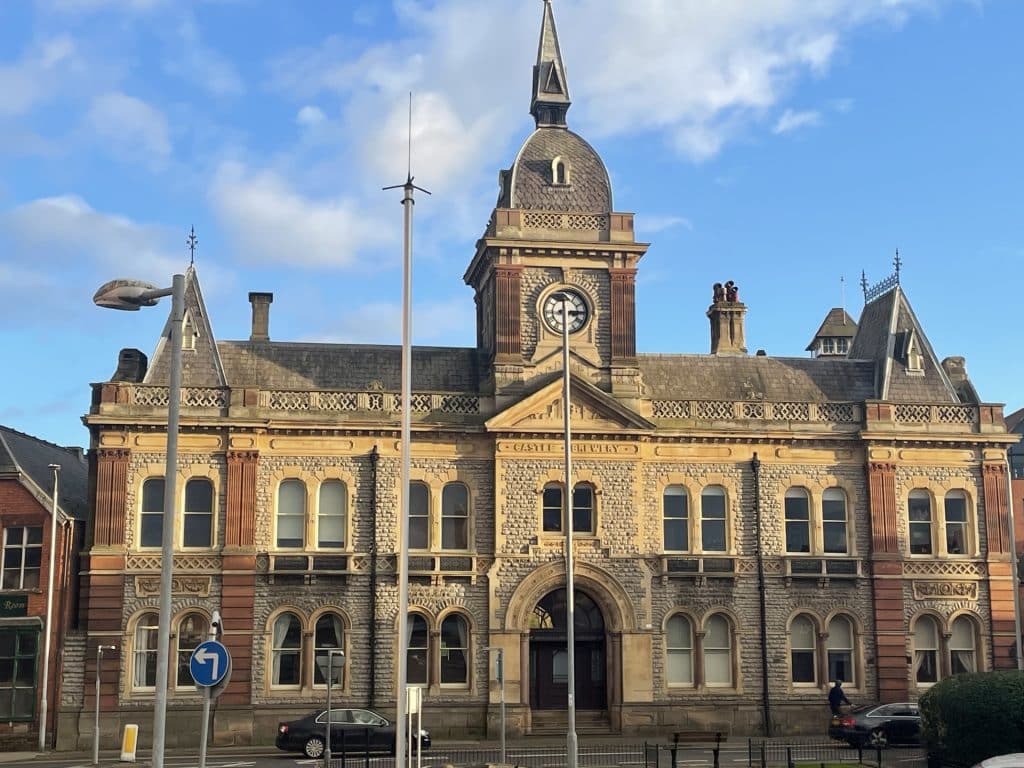
A short walk from the castle leads into Newark’s Market Place, one of the most impressive civic squares in the East Midlands. Its generous proportions and surrounding buildings reflect centuries of commercial activity. The square hosts regular markets, including general, antique and artisan events, continuing a tradition that has shaped the town’s identity since medieval times. The Town Hall, an elegant eighteenth‑century building overlooking the square, houses a museum and art gallery that explore Newark’s civic history, decorative arts and local culture.
Newark’s pivotal role in the Civil War is examined in depth at the National Civil War Centre, a major museum dedicated to the conflict. Its exhibitions combine artefacts, documents and interpretive displays to explain Newark’s strategic significance and the wider political and military context of the seventeenth century. The museum sits close to the Church of St Mary Magdalene, whose spire is one of the tallest in Nottinghamshire. The church contains medieval carvings, a notable rood screen and a series of monuments that reflect the wealth and influence of Newark’s merchants.
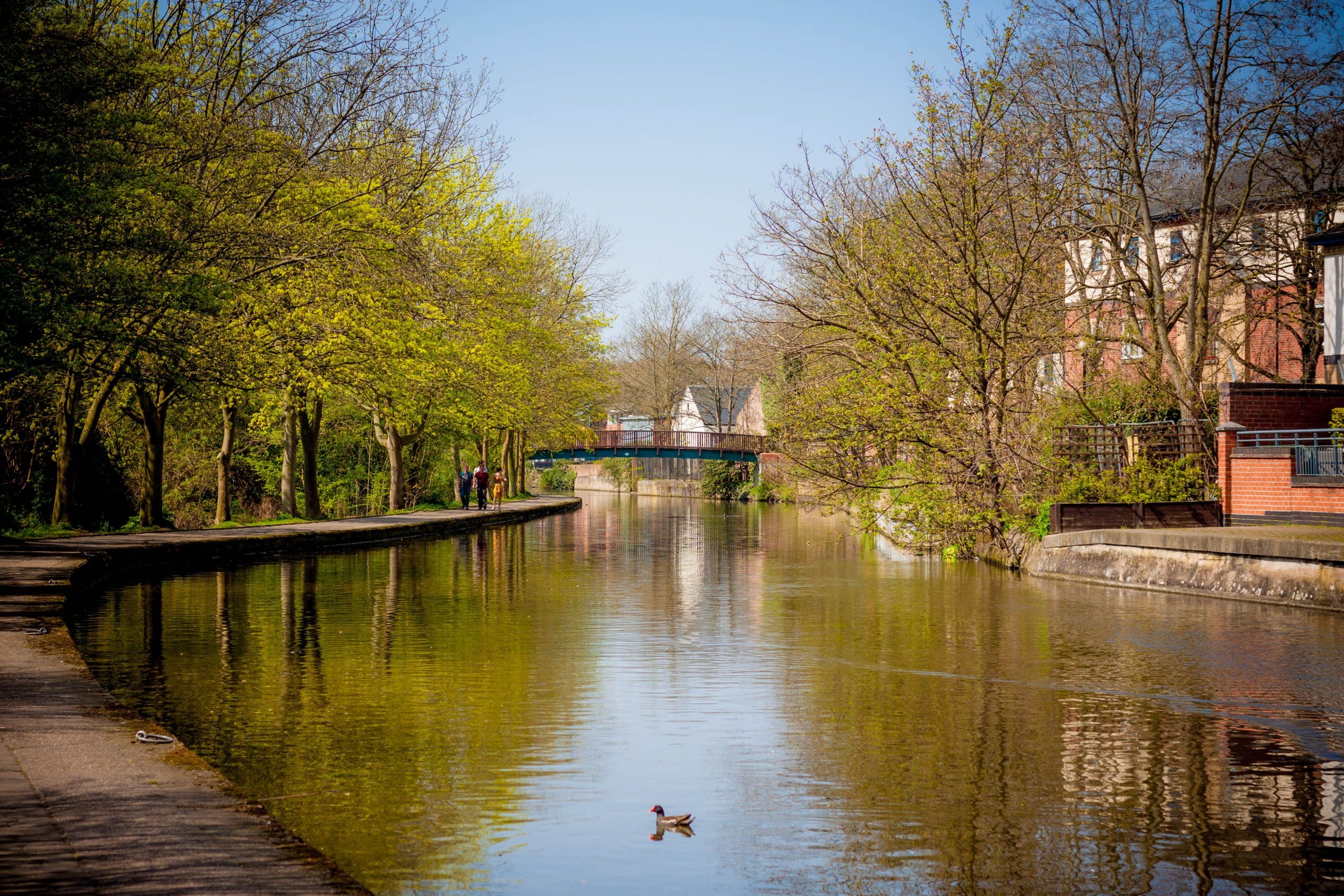
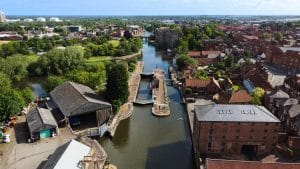
The town centre offers further opportunities for exploration. The Newark Heritage Trail links many of the town’s most significant buildings, including timber‑framed houses, Georgian townhouses and former coaching inns that once served travellers on the Great North Road. The riverside area provides a quieter contrast, with moorings, walking routes and views of the Trent’s broad sweep through the town. The presence of the Newark Marina adds a distinctive waterside character, and the towpaths offer easy access to longer walks along the river.
Newark’s independent shops, cafés and traditional pubs occupy buildings with long histories of commercial use. Many specialise in local produce, antiques, books and crafts, reflecting the town’s role as a regional centre for trade. The Buttermarket, an indoor Victorian shopping hall, adds another layer to the town’s retail heritage.
For visitors interested in transport history, Newark’s two railway stations illustrate different phases of Victorian engineering and the town’s importance as a junction on both the East Coast Main Line and regional routes. Their presence helped cement Newark’s role as a hub for agricultural trade, a legacy still visible in the town’s markets and specialist food retailers.
A day in Newark offers a balance of historical depth, architectural interest and riverside calm. Whether exploring the castle, delving into the complexities of the Civil War, following the heritage trail or simply absorbing the atmosphere of the Market Place, the town provides a rewarding and accessible destination. The Pathfinder 90’s direct service from Nottingham makes the journey straightforward, and the town’s compact layout ensures that its principal attractions are all within easy reach once the bus arrives at Newark Bus Station.
Timetables & more...
 View Route & Timetable
 View tickets and fares
How to get here...

Visit the megabus website and view megabus services that will transport you to this exceptional scenic journey.
Visit megabus site

Visit the National Rail Enquiries website to discover train routes that will lead you to this magnificent scenic adventure.
Visit National Rail

Take your scenic journey to the next level by embarking on this delightful walk, carefully curated by the expert team at Go Jauntly, the leading walking app provider.

 Sport
Sport


 Countryside
 Mansfield - Newark
 Nightlife