
Bradford Cathedral
YorkshireCity & CultureHistory & HeritageMajor Landmarks
Key info
 Category
City & Culture
Yorkshire
About this attraction
About Bradford Cathedral
Bradford Cathedral stands slightly apart from the city’s grand Victorian architecture, offering a quieter, more layered encounter with history. Unlike many northern cathedrals, it did not begin life as a monumental statement of industrial confidence. Instead, it grew gradually, shaped by centuries of worship, rebuilding and adaptation, which gives it a distinctive and intimate character.
The site has been used for Christian worship since at least the 8th century, though the present building largely dates from the medieval period. Originally a parish church dedicated to St Peter, it only became a cathedral in 1919, when the Diocese of Bradford was created. This relatively late elevation explains its modest scale compared with other English cathedrals. Rather than overwhelming with size, it draws visitors in through detail, atmosphere and a strong sense of continuity.
Inside, the cathedral reveals a mixture of architectural styles reflecting its long development. The nave and chancel retain medieval proportions, while later additions introduce Victorian and 20th-century elements. One of the most striking features is the stained glass. Windows by artists such as Morris & Co. sit alongside more modern pieces, creating a visual dialogue between different periods. Light plays an important role here, filtering softly through coloured glass and stone to create a calm, reflective interior.
The cathedral’s furnishings add further depth. Carved choir stalls, memorials and textile hangings reflect the craftsmanship and devotional life of the community over generations. Nothing feels overly ornate, but each element has purpose and weight. The result is a space that encourages slow movement and close attention rather than quick viewing.
Beyond the interior, the cathedral grounds offer a moment of stillness within the city. Small gardens and seating areas provide a place to pause, listen to the sounds of the city at a distance, and reflect on the contrast between sacred space and surrounding urban life.
Bradford Cathedral has also played an important role in the city’s modern identity. It has been active in interfaith dialogue and community engagement, reflecting Bradford’s diverse population. This outward-looking approach sits comfortably alongside its historic role as a place of worship.
Location
Find Bradford Cathedral on the map
Getting here
Scenic route that passes nearby
Hop on any of these for a scenic ride to Bradford Cathedral.
More to see in Yorkshire
Other attractions nearby
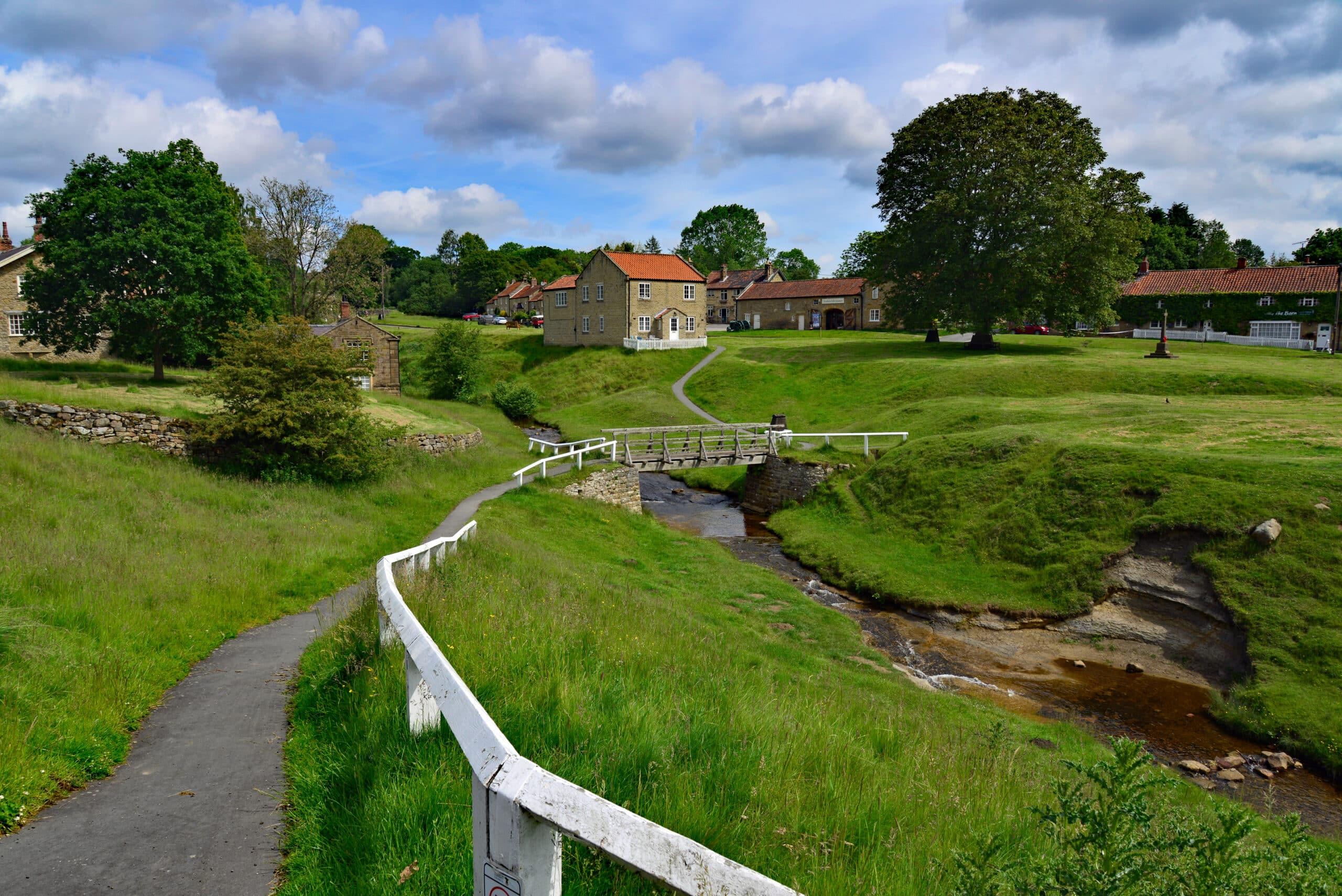
Ryedale Folk Museum
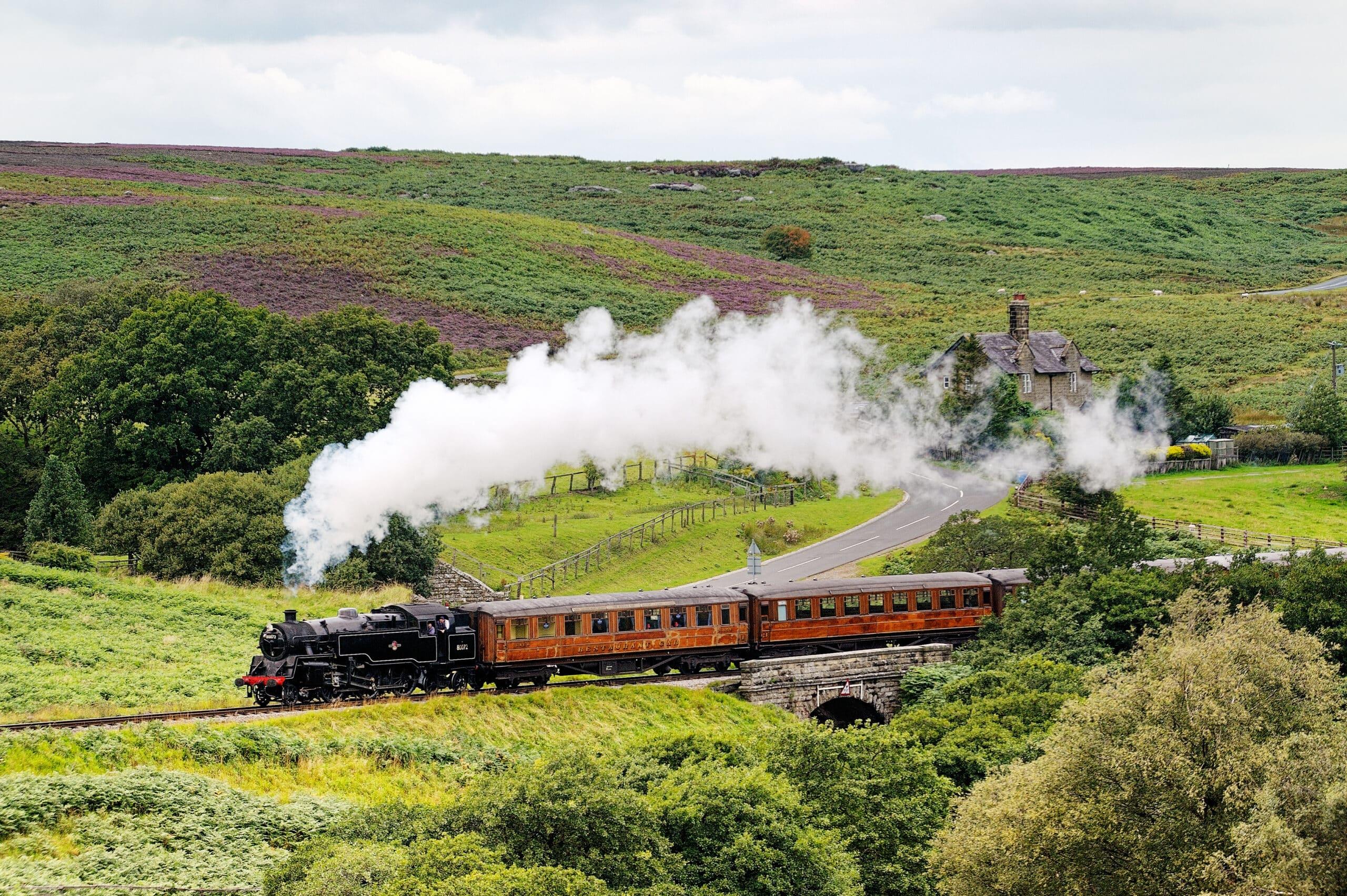
Pickering Castle
Well-preserved Norman motte-and-bailey castle on the edge of the North York Moors

Brass Castle Brewery

Flamingo Land Theme Park

Turkish Baths
One of only a handful of working Victorian Turkish baths left in Britain, lavishly tiled and still in daily…
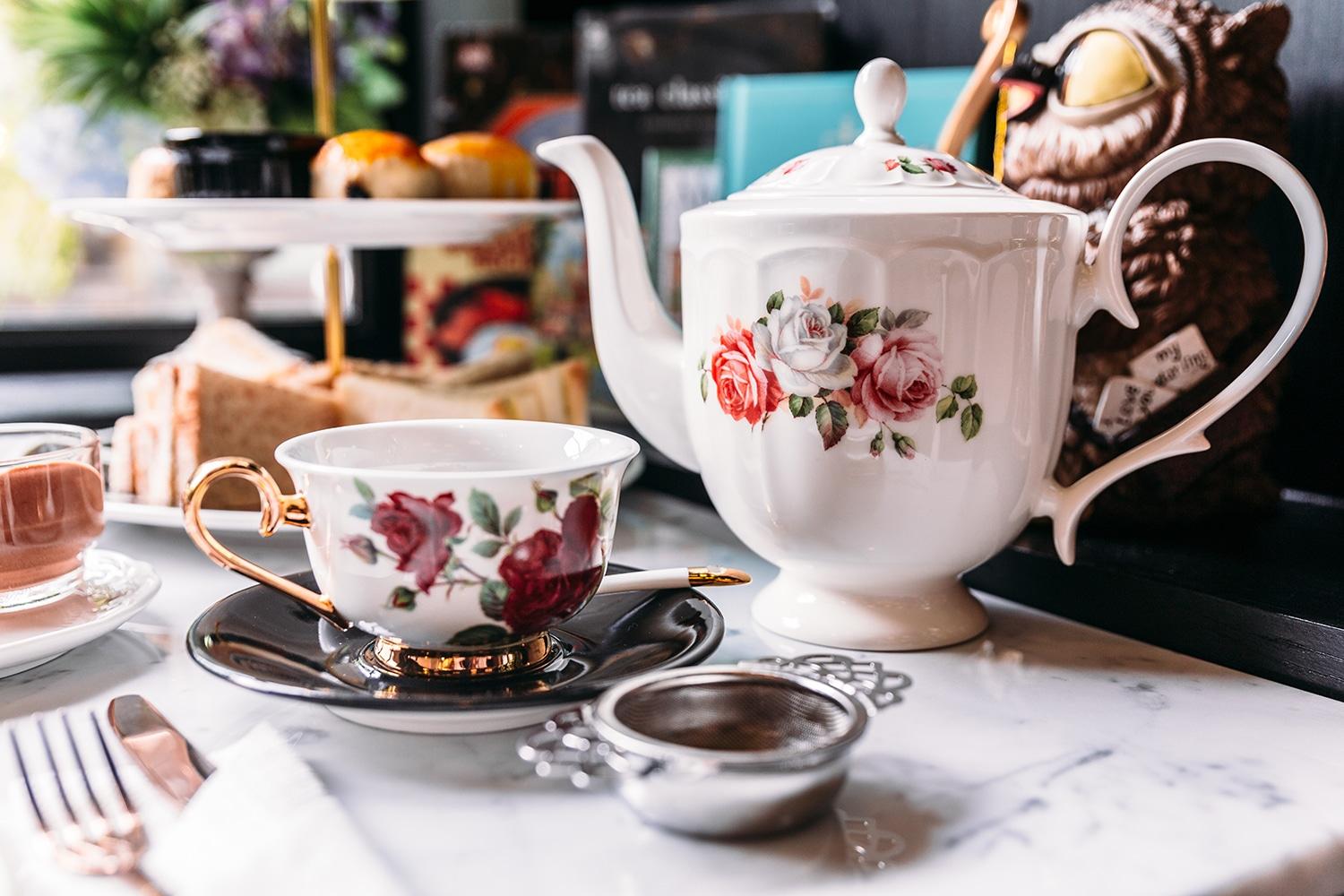
Betty's Tearooms
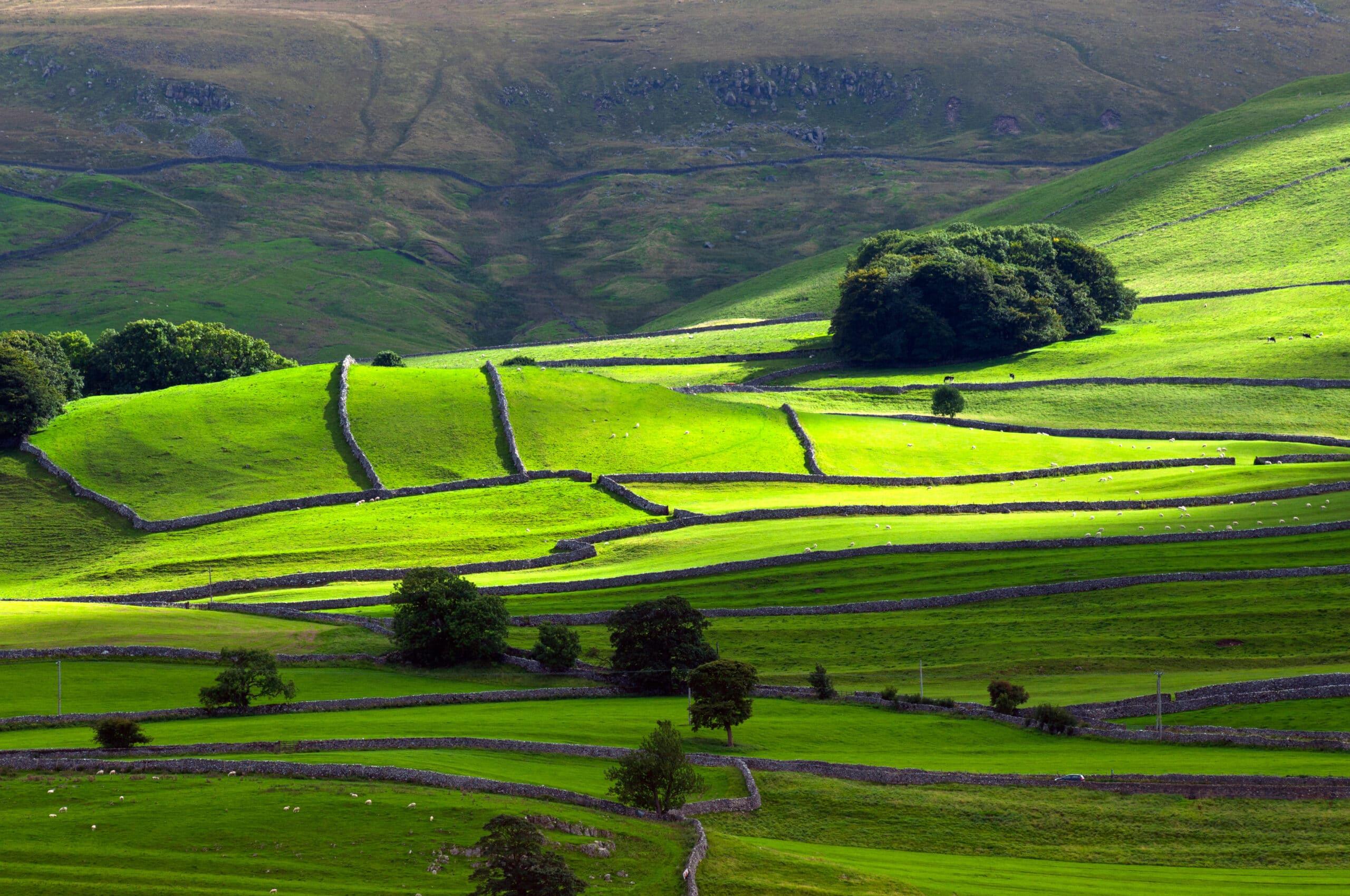
Grassington
Linton
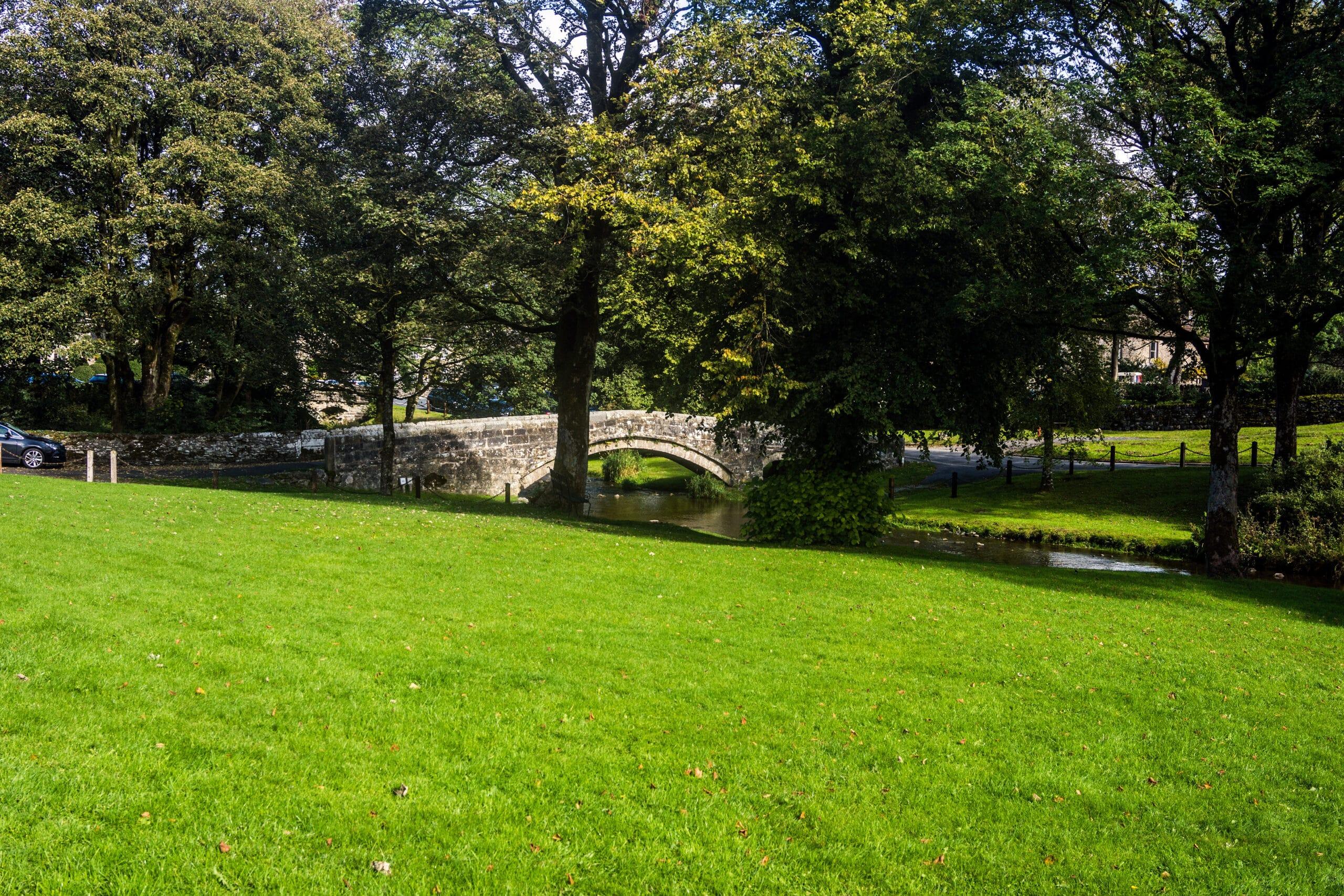
Quintessential Dales village with a green, stepping stones and a packhorse bridge.