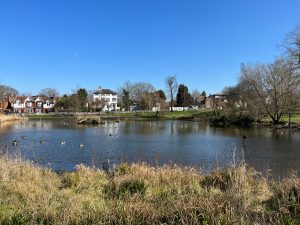

Slough
About:
Slough is a town often defined by movement and industry, but spending time there reveals a place with a layered history and a strong sense of everyday life. Its character has been shaped less by grand landmarks and more by work, transport and constant change.
One of the most important aspects of Slough’s history is the Slough Trading Estate. Established in the 1920s, it was one of the largest industrial estates in Europe and transformed Slough into a centre of manufacturing, logistics and employment. Many global companies have been based here, and the estate still plays a major role in the town’s identity. While not a traditional visitor attraction, its scale and layout explain why Slough grew so quickly in the 20th century.
Slough town centre reflects this practical history. Shopping streets, civic buildings and transport hubs sit close together, creating a space designed for function rather than spectacle. Walking through the centre offers insight into how the town serves its residents, with markets, cafés and independent businesses operating alongside larger chains. The diversity of the area is one of its defining features, shaped by waves of migration linked to industrial work.
For green space, Stoke Poges Memorial Gardens offer a quieter contrast. These formal gardens commemorate Thomas Gray, author of Elegy Written in a Country Churchyard, and provide carefully laid-out paths, lawns and monuments that feel deliberately reflective. They are a reminder of Slough’s older literary connections, often overlooked in favour of its industrial reputation.
The Grand Union Canal also passes close to Slough, offering waterside walks that reveal a slower rhythm. Towpaths, locks and moored boats provide a glimpse into the transport networks that once moved goods through the region long before roads dominated.


 City & Culture






 Countryside