
Mirfield
YorkshireCountrysideNature & Wildlife
Key info
 Category
Countryside
Yorkshire
About this attraction
About Mirfield
Mirfield is a charming market town in West Yorkshire, nestled along the River Calder and surrounded by gentle hills that lead into the Pennines. Its history stretches back centuries, with evidence of settlement and local industry shaping the town over time. During the Industrial Revolution, Mirfield grew as a centre for textiles, with mills lining the waterways, reflecting the town’s important role in woollen production. Many of these buildings still stand, giving the town a distinctive character that blends industrial heritage with modern life.
The town is best known for its historic churches, with St Mary’s Church standing as a landmark of Gothic Revival architecture. Its spire dominates the skyline, and inside, intricate stained glass and vaulted ceilings create a sense of grandeur. The town also benefits from the peaceful Calder and Hebble Navigation, ideal for scenic walks along towpaths where narrowboats drift past and wildlife thrives. Crow Nest Park, on the outskirts, offers open green spaces, wooded areas, and playgrounds, making it a favourite for families and visitors seeking fresh air and views across the valley.
Mirfield has produced and attracted notable figures over the years. Poet and writer Simon Armitage, now Poet Laureate of the United Kingdom, grew up in nearby Marsden and has connections with the area, capturing the landscapes and northern life in his work. The town also has ties to figures in education and music, reflecting its longstanding commitment to cultural and community life.
For visitors, Mirfield offers a relaxed, friendly atmosphere. Independent cafés, small shops, and local markets give a taste of northern town life, while the canals, parks, and historic buildings provide quiet opportunities to explore. Whether wandering along riverside paths, admiring architectural heritage, or enjoying community events, Mirfield combines history, culture, and natural beauty in a welcoming, accessible setting.
Location
Find Mirfield on the map
Getting here
Scenic route that passes nearby
Hop on any of these for a scenic ride to Mirfield.
More to see in Yorkshire
Other attractions nearby
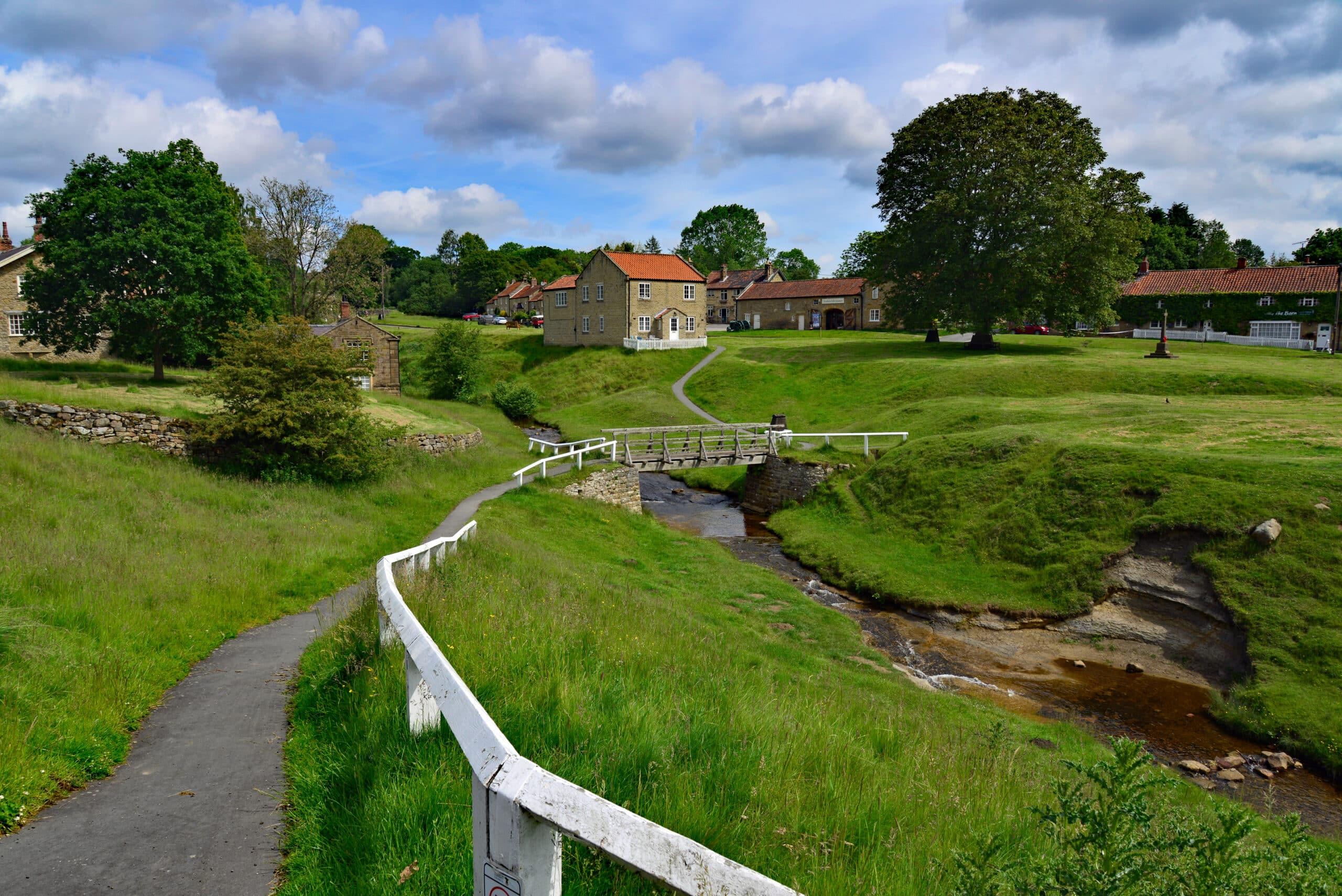
Ryedale Folk Museum
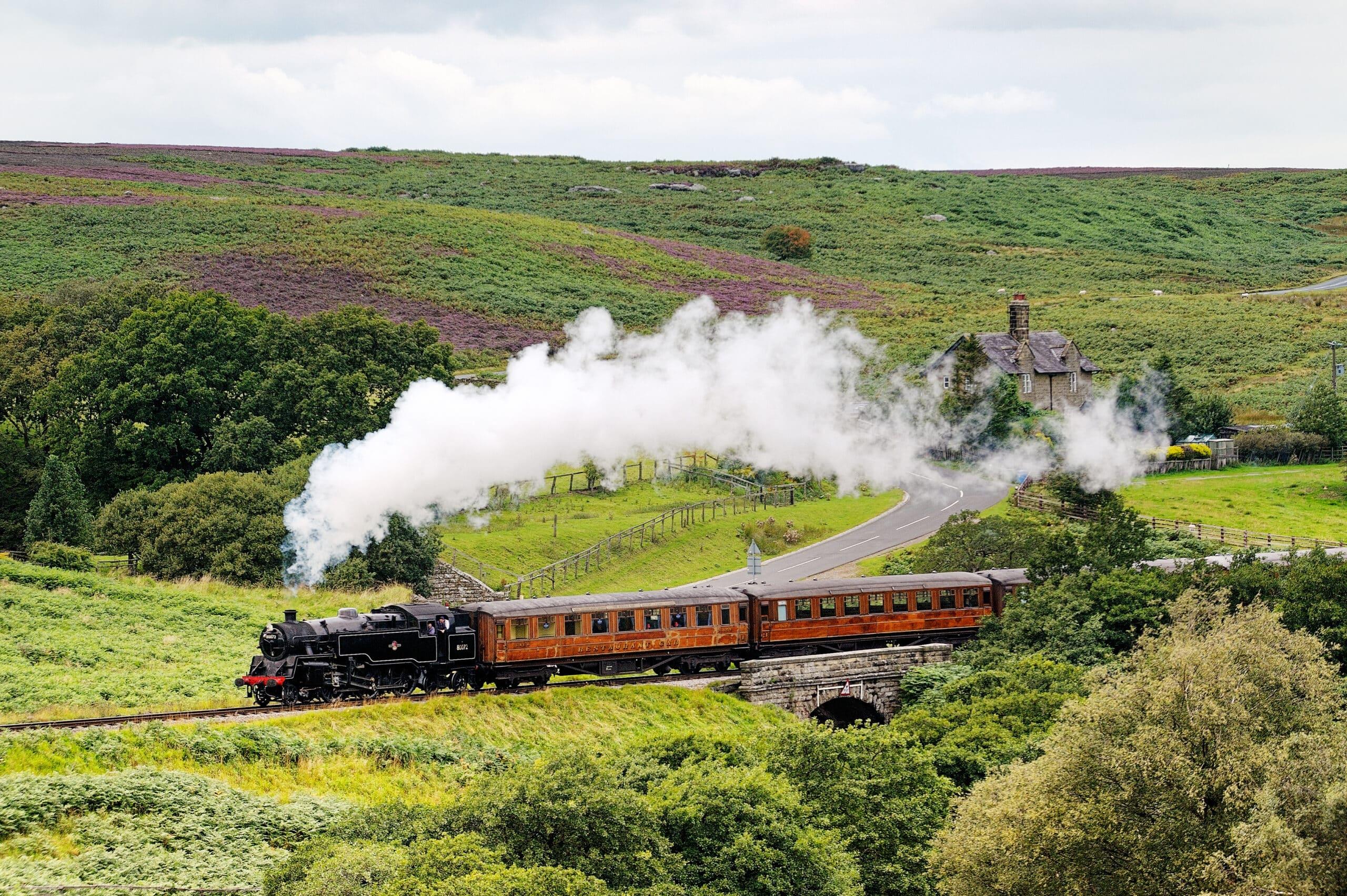
Pickering Castle
Well-preserved Norman motte-and-bailey castle on the edge of the North York Moors

Brass Castle Brewery
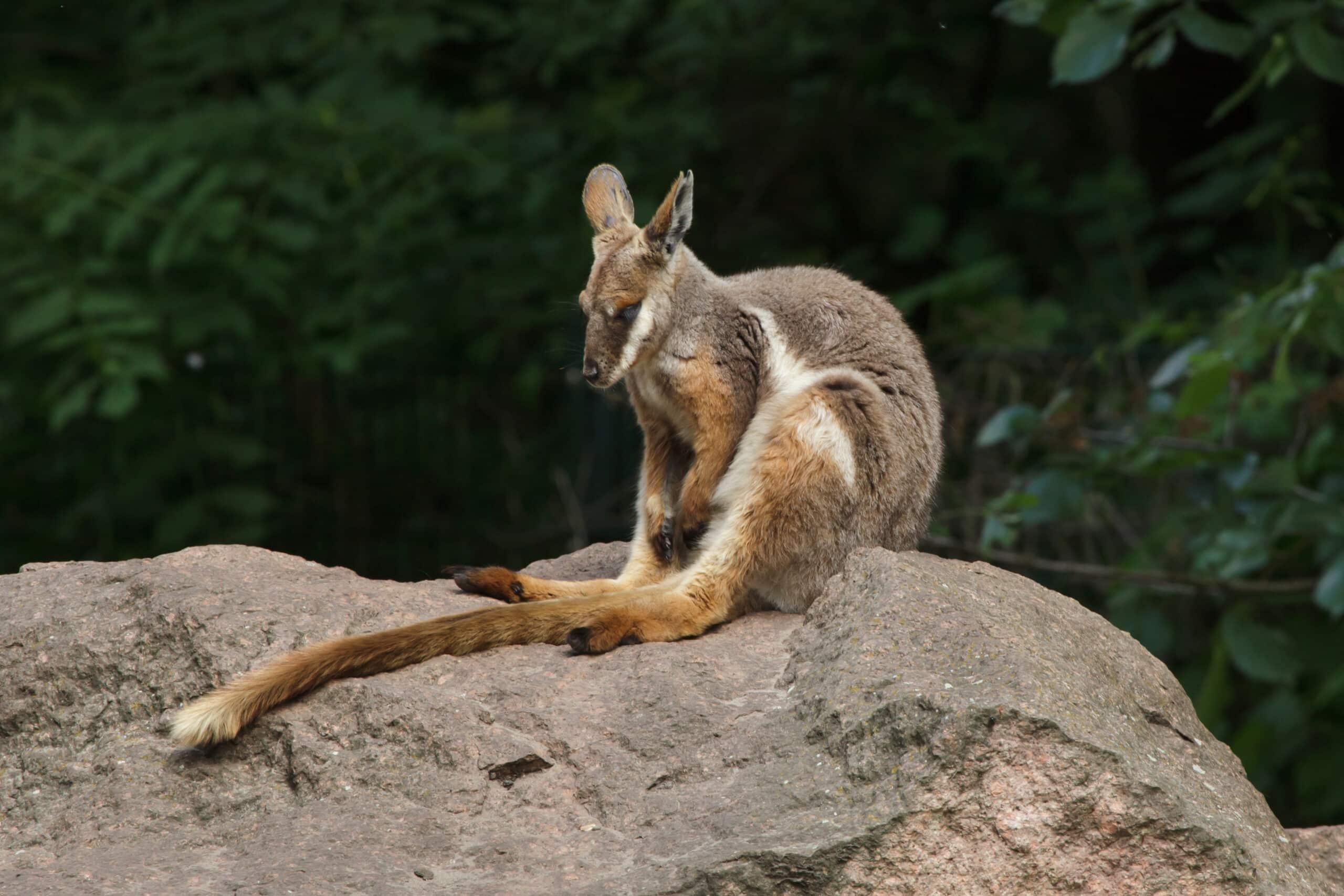
Flamingo Land Theme Park

Turkish Baths
One of only a handful of working Victorian Turkish baths left in Britain, lavishly tiled and still in daily…

Betty's Tearooms
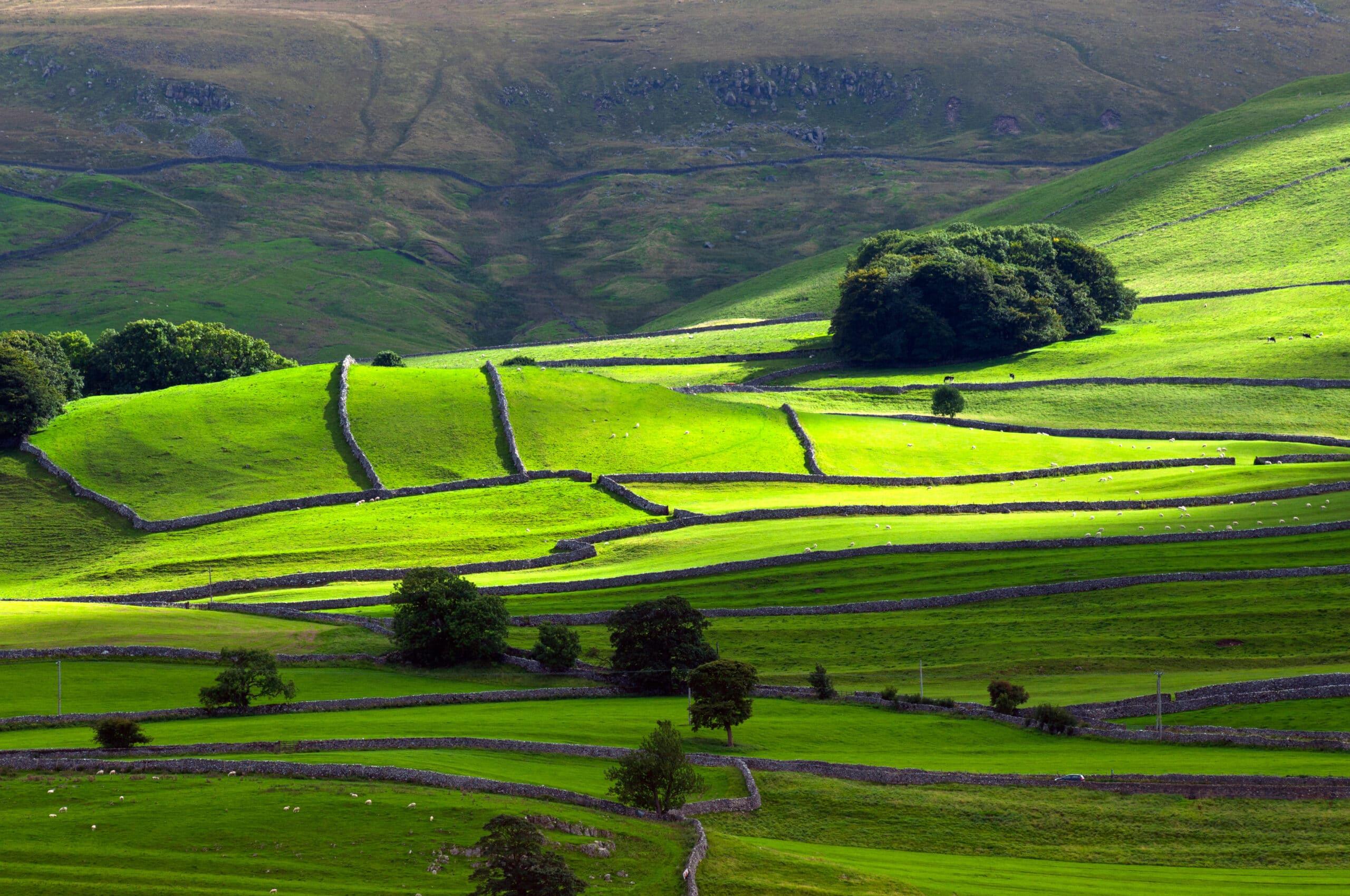
Grassington
Linton
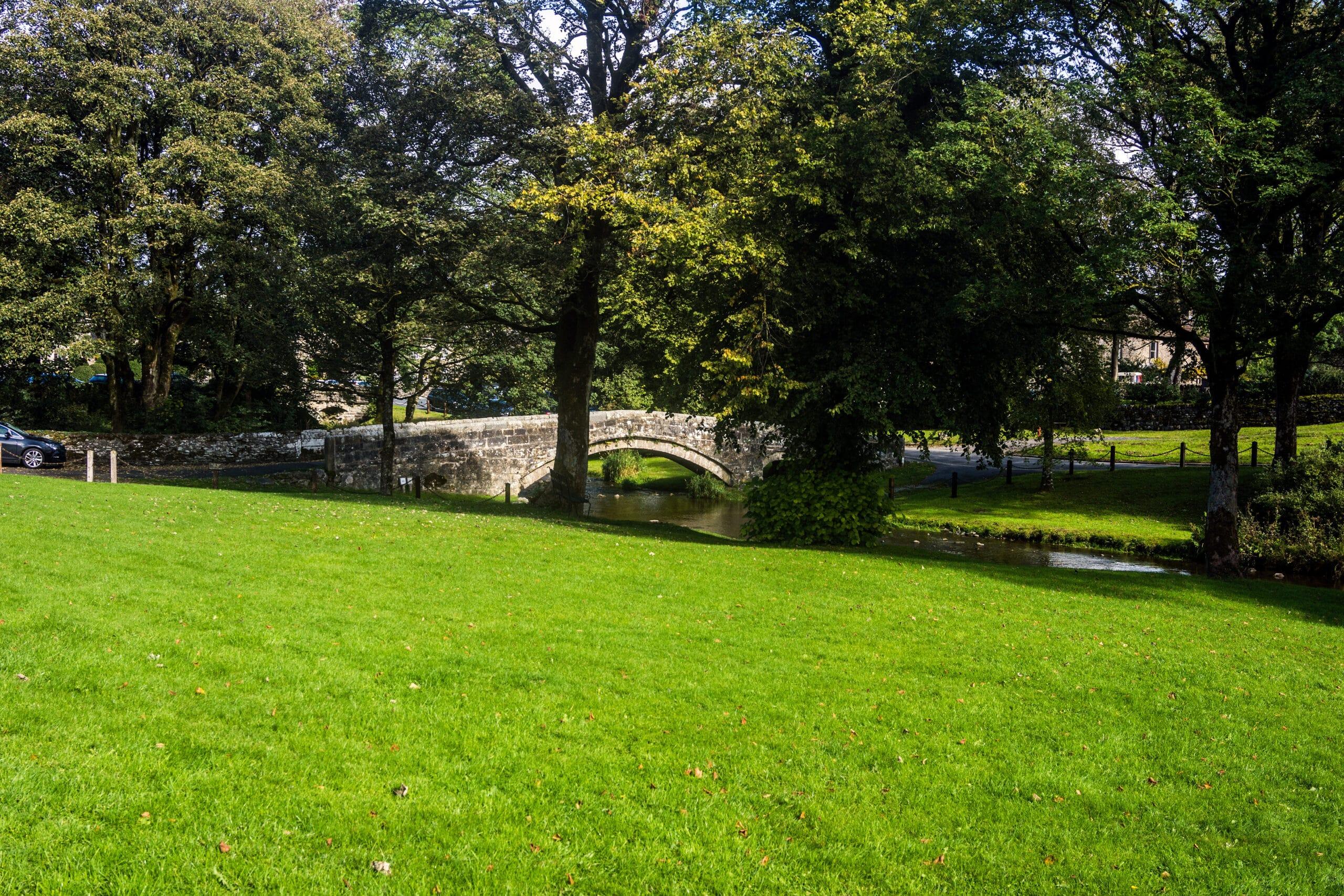
Quintessential Dales village with a green, stepping stones and a packhorse bridge.