

Hexham Abbey
About:
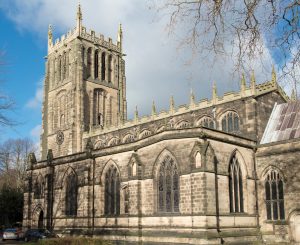
Hexham Abbey is a magnificent and ancient building at the heart of Hexham, Northumberland, with a rich history stretching back over 1,300 years. Originally founded in 674 AD by St Wilfrid, the Abbey was built using stones from nearby Roman ruins, including Hadrian’s Wall. Although much of the original Saxon church has been lost to time, parts of it remain—including the remarkable Saxon crypt, one of the oldest parts of the Abbey still accessible today. Over the centuries, the Abbey has witnessed Viking raids, Norman conquests, and the upheavals of the Reformation. It was rebuilt in the Norman style in the 12th century and later became an Augustinian priory, before being dissolved under Henry VIII in the 16th century. Today’s Abbey is largely Gothic in style, with additions and restorations from the Victorian and Edwardian periods bringing it to its current form.
Visitors to Hexham Abbey can explore the atmospheric crypt, marvel at medieval treasures such as the Frith Stool—an ancient stone bishop’s throne—and view the tombstone of Flavinus, a Roman cavalry officer, now housed beneath the Night Stair. The rood screen and painted medieval panels are beautifully preserved, and there are stunning stained glass windows throughout. The Abbey also boasts a grand organ and a regular programme of choral and musical events. Beyond the architecture, visitors can enjoy a modern interactive exhibition centre, peaceful gardens, a café, and a gift shop. The Abbey continues to be a place of worship and community, with daily services and seasonal events welcoming all. Set in the charming town of Hexham, with its cobbled streets and historic buildings, the Abbey offers both a tranquil retreat and a fascinating glimpse into the layered history of Christianity and community life in northern England.
 Nature & Wildlife
 Countryside
 History & Heritage
 Food and drink
 Major Landmarks

 Coastal

 City & Culture