Blyth
Tyne and WearCoastalHistory & Heritage
Key info
 Category
Coastal
Tyne and Wear
About this attraction
About Blyth
Blyth, a coastal town in Northumberland, England, boasts a rich industrial heritage and offers a variety of attractions for visitors.
The town’s name, first recorded in 1130 as “Blida,” is derived from the Old English word “blīðe,” meaning “gentle” or “merry,” reflecting the character of the River Blyth . Blyth’s development accelerated in the 18th century with the growth of coal mining and shipbuilding industries. By the early 20th century, it had become a significant shipbuilding center and coal exporter, with the port shipping over six million tons of coal by 1961 . The town also played a vital role during both World Wars, constructing naval vessels and serving as a submarine base
Today, Blyth offers visitors a blend of historical sites and recreational activities. Blyth Beach is renowned for its wide, sandy shores and colourful beach huts, providing a picturesque setting for relaxation . Adjacent to the beach, Ridley Park features play areas, a splash zone, and landscaped gardens, making it ideal for families. The Quayside area, once a hub for coal exports, has been revitalized and now showcases the “Spirit of the Staithes” sculpture, commemorating the town’s industrial past
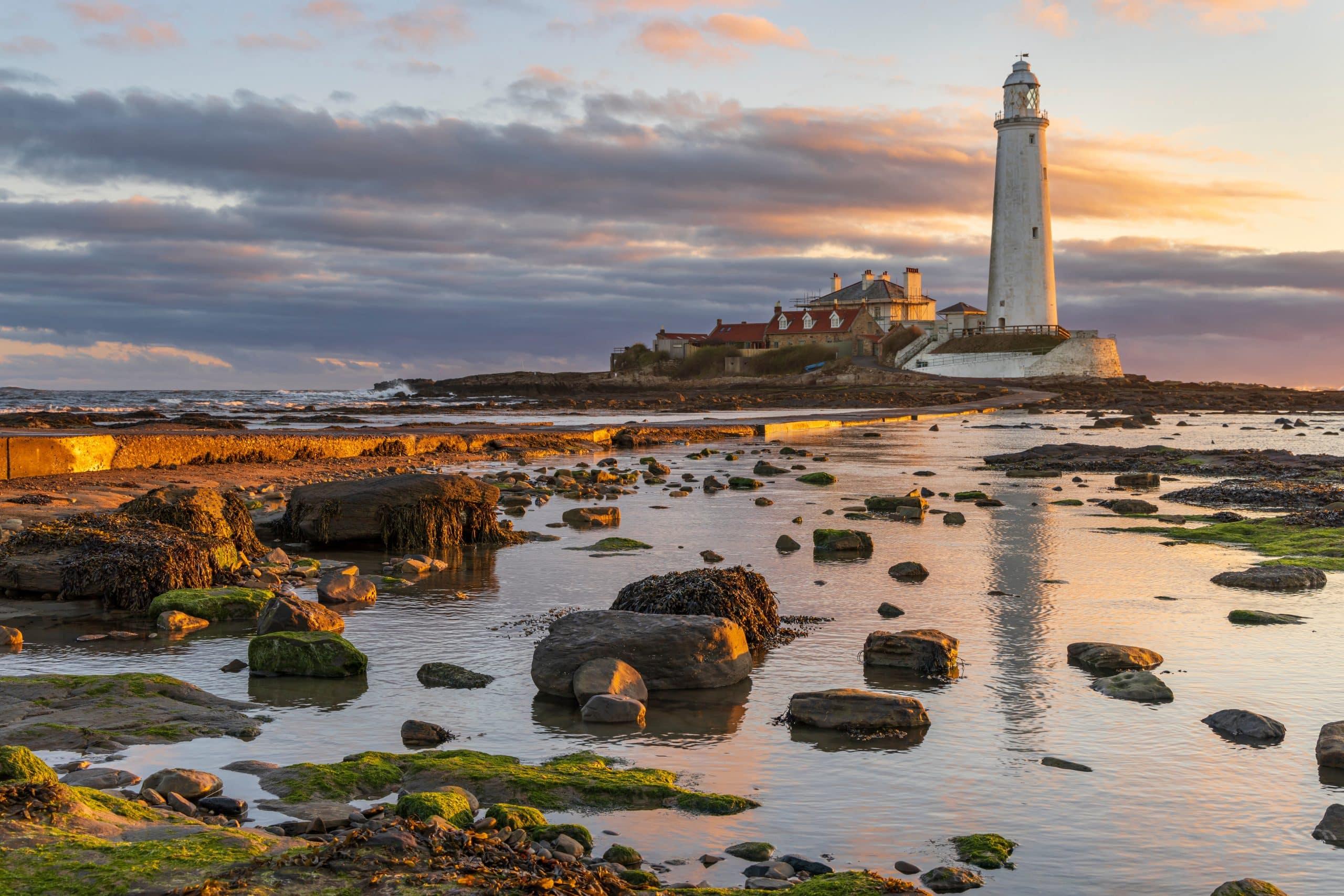
For history enthusiasts, Blyth Battery, a coastal defence artillery battery from World Wars I and II, offers insights into the town’s military significance. The High Light lighthouse, dating back to 1788, stands as a testament to Blyth’s maritime heritage . The Phoenix Theatre provides cultural entertainment with a range of performances throughout the year. Additionally, the recently reopened Newsham Station enhances accessibility to the town, inviting more visitors to explore Blyth’s offerings.
Blyth’s transformation from an industrial powerhouse to a town embracing its heritage and natural beauty makes it a compelling destination for those interested in history, culture, and coastal charm.
Location
Find Blyth on the map
Getting here
Scenic route that passes nearby
Hop on any of these for a scenic ride to Blyth.
More to see in Tyne and Wear
Other attractions nearby
Washington Old Hall
WWT Washington Wetland Centre

Washington Arts Centre
Hadrian’s Wall Trail
Haltwhistle Burn Walk
Quayside
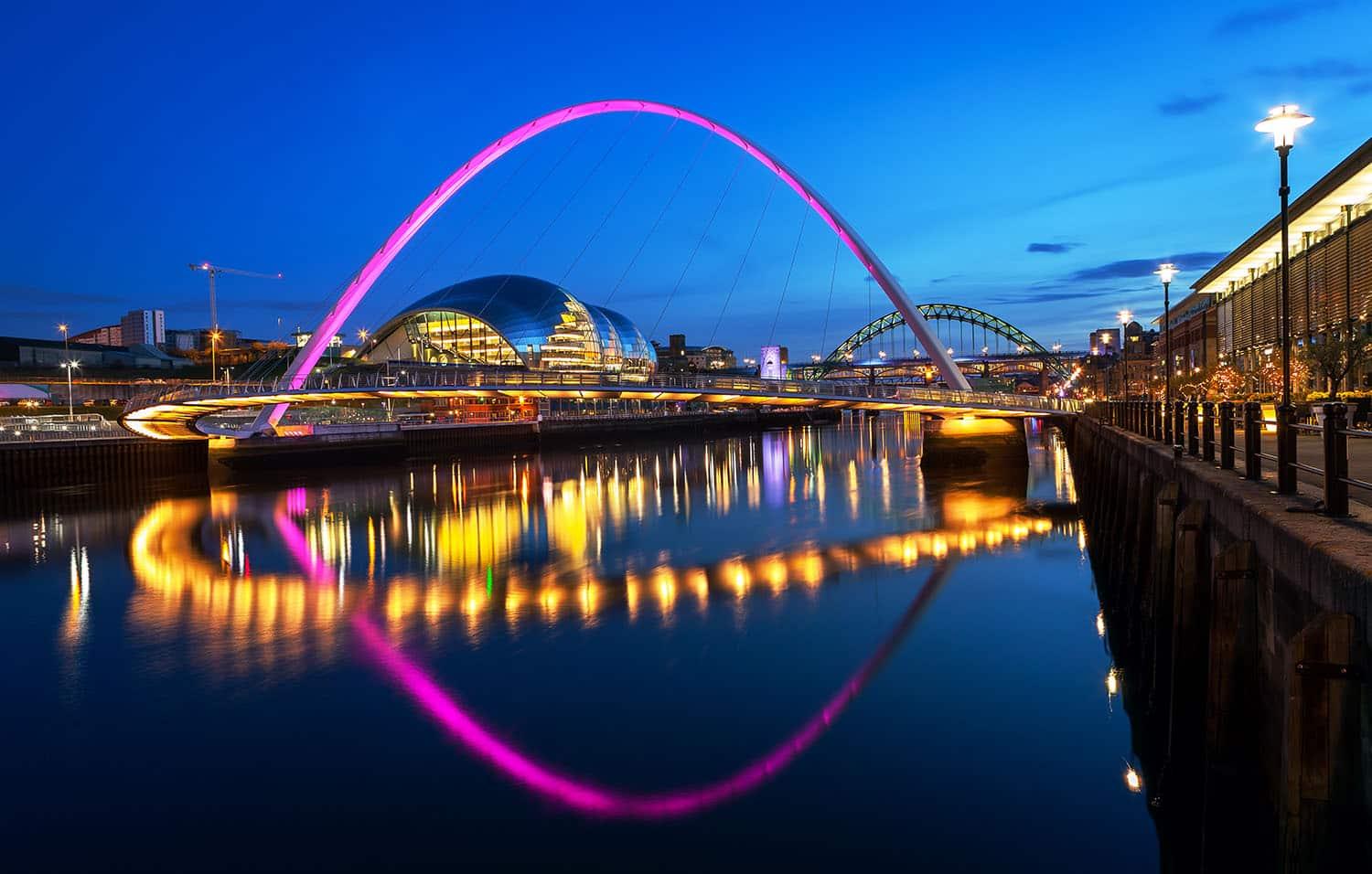
Newcastle Quayside, a waterfront gem, harmoniously combines history, entertainment, and scenic beauty…
Tyne Bridge