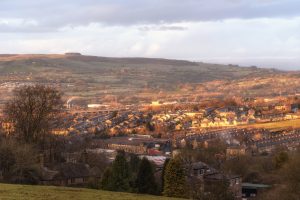

Blanchland
About:
Blanchland is a picturesque village nestled in the North Pennines Area of Outstanding Natural Beauty, straddling the border between Northumberland and County Durham. With a population of just 135, it offers a tranquil retreat steeped in history and natural charm.
The village’s origins trace back to 1165, when Walter de Bolbec II founded Blanchland Abbey for the Premonstratensian order, known as the “White Canons” due to their white habits. The abbey thrived until the Dissolution of the Monasteries in 1539. Many of its stones were repurposed to construct the village, lending Blanchland its cohesive medieval aesthetic. The Abbey Church of St Mary the Virgin, originally part of the abbey, still serves as the parish church today.
In the early 18th century, Nathaniel Crew, Bishop of Durham, acquired the estate and established the Lord Crewe Trust to manage it. The trust continues to oversee the village, preserving its historical integrity.
A notable landmark is the Lord Crewe Arms Hotel, housed in the former abbot’s guesthouse. This historic inn features medieval architecture, including a vaulted crypt bar. It has hosted various notable figures, such as poet W.H. Auden and composer Benjamin Britten.
Blanchland’s scenic beauty and preserved architecture have made it a popular filming location for period dramas and series like Wolfblood. Visitors can explore local shops like Jaspah Crewe, enjoy refreshments at the White Monk Tearoom, and embark on walks through the surrounding moorlands and along the River Derwent.
Nearby, the Derwent Reservoir offers opportunities for sailing and fishing, while the surrounding landscapes are rich with remnants of the area’s lead mining heritage. The village’s harmonious blend of history, architecture, and natural beauty makes Blanchland a unique and captivating destination



 Coastal

 Countryside
 Languid to Lapworth with barge brilliance