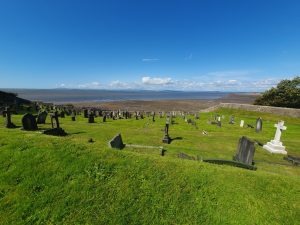
Loch Lomond and The Trossachs National Park is one of Scotland’s most beautiful and accessible national parks, located just north of the cities of Glasgow and Stirling. Established in 2002 as Scotland’s first national park, it covers around 1,865 square kilometres of diverse landscapes, including mountains, forests, rivers, and more than twenty lochs (lakes). The park is named after its two most famous areas: Loch Lomond, the largest lake in Great Britain by surface area, and The Trossachs, a scenic region of wooded hills and tranquil waterways.
The landscape of the park is remarkably varied. In the north and west, rugged Highland mountains rise dramatically, including peaks such as Ben Lomond, one of Scotland’s most popular Munros (mountains over 3,000 feet). In contrast, the southern areas feature rolling hills, farmland, and broad lochs surrounded by ancient woodland. This natural transition between the Scottish Highlands and Lowlands makes the park particularly distinctive.
Water is a defining feature of the park. Loch Katrine and Loch Venachar are among the many scenic lochs that attract visitors for boating, kayaking, and fishing. Loch Katrine is also historically significant because it has supplied fresh drinking water to the city of Glasgow since the 19th century. The park’s waterways and forests create habitats for a rich variety of wildlife, including red deer, ospreys, golden eagles, red squirrels, and otters.
The Trossachs area gained international fame in the early 19th century after being celebrated in literature by Sir Walter Scott. His narrative poem The Lady of the Lake, set around Loch Katrine, introduced many readers to the romantic scenery of the Scottish Highlands and helped spark early tourism in the region.
Today, Loch Lomond and The Trossachs National Park is a popular destination for outdoor recreation. Visitors come to hike, cycle, sail, camp, and explore picturesque villages such as Luss and Callander. The park also plays an important role in conservation, protecting fragile ecosystems while supporting local communities and sustainable tourism.
Overall, Loch Lomond and The Trossachs National Park combines dramatic Highland scenery, cultural history, and abundant wildlife. Its mix of mountains, forests, and sparkling lochs makes it one of Scotland’s most cherished natural landscapes and a gateway to the Highlands for millions of visitors each year.

 Countryside
 Coastal
 History & Heritage
 City & Culture
 Family Friendly
 Major Landmarks
 Museums
 Food and drink
 Spa elegance, sumptuous scenery and castle charm along the River Nidd!
 Lakes and Lochs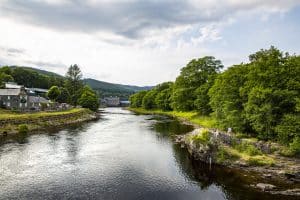
 Nature & Wildlife