

Wallingford’s where past and present combine to perfection with the River Rapids X40
There’s few better places to visit than Wallingford on the superb River Rapids X40 bus which swishes its way between Reading and Oxford, criss-crossing The Thames and with a perfect stop in the middle in this captivating small town. It’s a delightful route, through The Chilterns with its undulating fields, interspersed with tree-lined roads and the prettiest of Berkshire and Oxfordshire villages along the way. To find out more and plan your scenic sojourn, check out https://www.greatscenicjourneys.co.uk/journey/x40-reading-to-oxford/
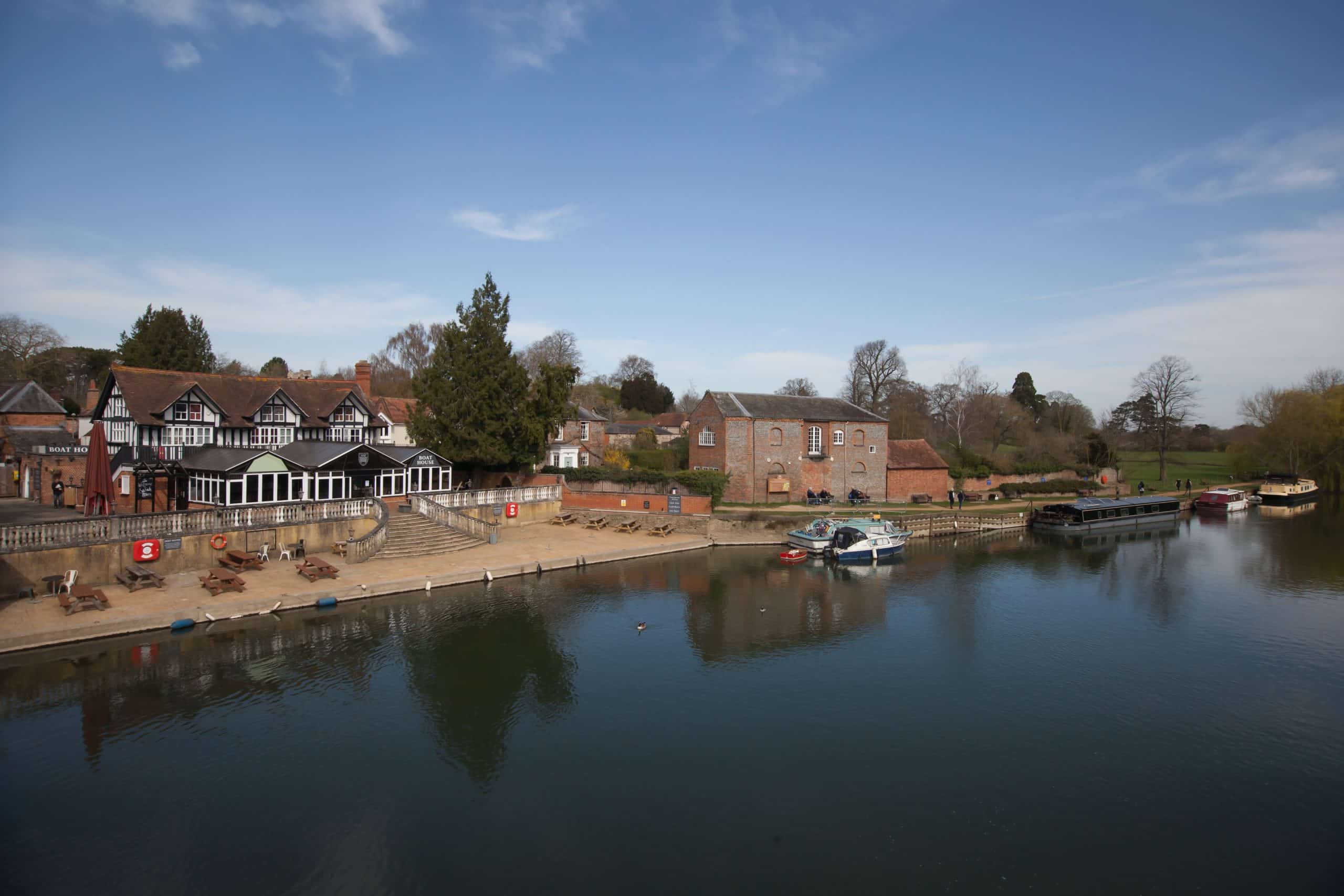
The undersold gem, alongside the famous locations either end of the River Rapids X40 route really is Wallingford, which is tucked into the gentlest of curves in the River. It’s one of those English market towns that quietly rewards anyone who takes the time to wander its streets, perusing the antiques shops, sitting on a bench watching the world go by in the Market Square or walking slightly off the beaten track to the River, maybe for a pint or two in the Boathouse. It is a place where layers of history sit comfortably beside riverside walks, cosy pubs, and a lively community spirit. However, whilst it may appear tranquil at first glance, Wallingford carries a story that stretches back more than a thousand years and touches everything from medieval power struggles to world-famous detective fiction.

The town’s origins reach deep into Anglo-Saxon England, when it developed as a fortified settlement guarding an important crossing of the Thames. By the time of the Norman Conquest, Wallingford had become one of the most significant towns in the country. Its strategic importance led to the construction of the mighty Wallingford Castle, once among the largest castles in England. Though much of the structure has long since disappeared, the earthworks and peaceful castle gardens remain, offering visitors a glimpse into the town’s medieval past. Standing there today, with children playing on the grass and the river flowing quietly nearby, it is difficult, in this innocent and harmless of settings, to imagine that this was once a fortress at the centre of royal power.

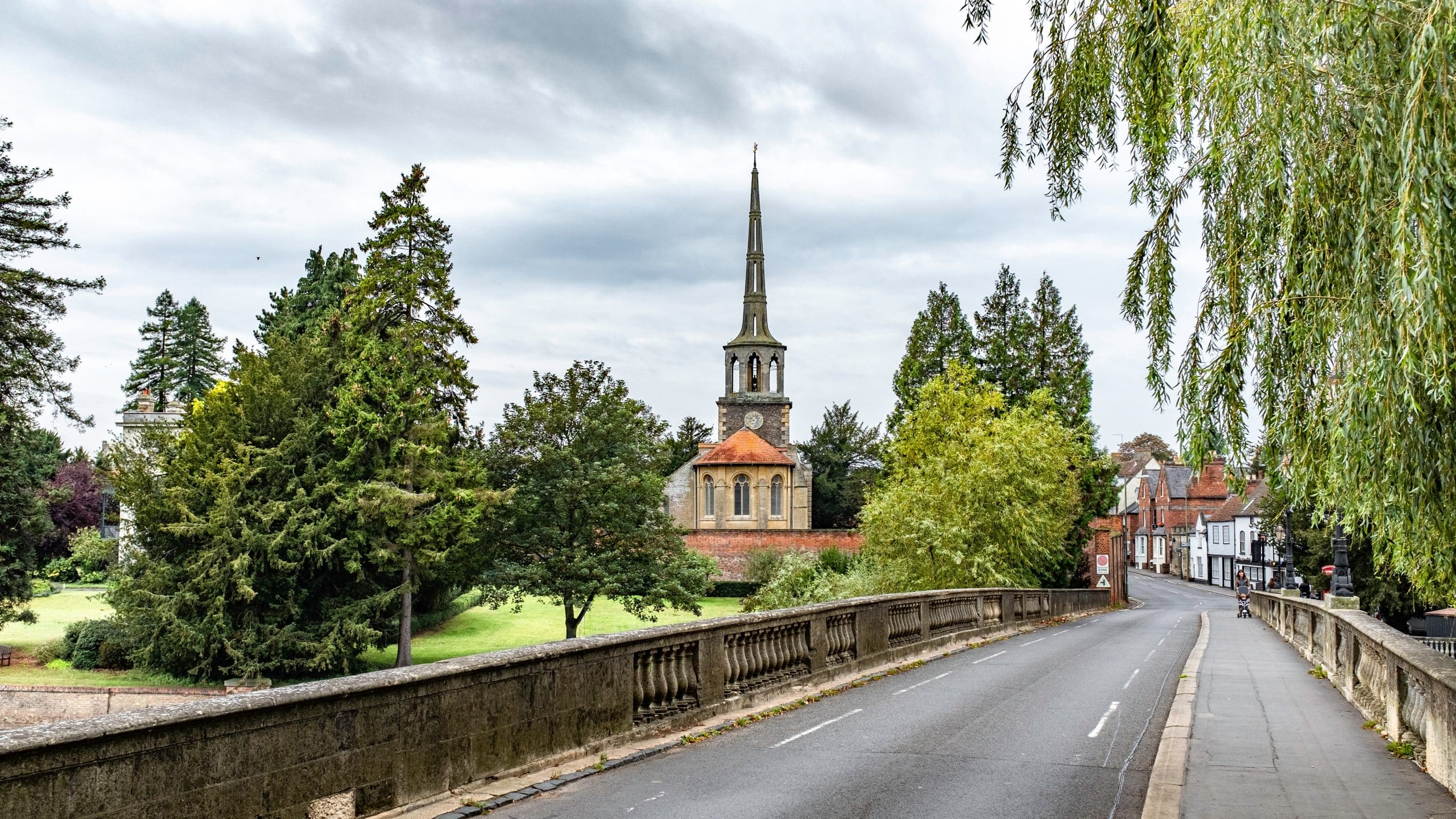
History continues to echo through the streets of Wallingford. The market square, surrounded by handsome Georgian buildings, still hosts regular markets that maintain the town’s centuries-old trading tradition. The imposing Wallingford Town Hall dominates the square with its classical columns, serving as both a civic landmark and a reminder of the town’s enduring role as a local hub. Nearby stands the impressive St Mary-le-More Church, whose tall tower rises above the rooftops and whose bells have marked the passing of time here for generations.

For many visitors, however, Wallingford is synonymous with crime fiction. The town was the home of the legendary writer Agatha Christie for more than forty years. She lived just outside the town at Winterbrook House, where she wrote some of her most famous novels featuring Hercule Poirot and Miss Marple. Christie became a familiar figure in the town during her lifetime, and Wallingford is believed to have inspired the fictional village of St Mary Mead that appears in several of her stories. Today, fans of her work still make pilgrimages to the area, visiting the places she knew and the quiet churchyard where she is buried.

Beyond literature, the town’s riverside setting is one of its greatest pleasures. The Thames glides past Wallingford in wide, reflective curves, and the riverbanks provide some of the most attractive walking routes in Oxfordshire. A stroll along the water might reveal rowing boats drifting past, swans gliding near the banks, and narrowboats moored beneath the trees. The Cholsey & Wallingford Steam Railway is a blissful 10-minute walk away, where folk can be plunged into nostalgia and a bygone era of the old Great Western Railway!

The nearby Wallingford Bridge, with its graceful stone arches, has connected the two sides of the town since the medieval period and remains a picturesque crossing point for pedestrians and traffic alike.

The countryside surrounding Wallingford is equally appealing. To the west rise the rolling chalk hills of the Chiltern Hills, an Area of Outstanding Natural Beauty known for its beech woodlands, sweeping views, and winding country lanes. Walkers and cyclists often use Wallingford as a starting point for exploring the Chilterns, heading out along footpaths that climb steadily from the Thames valley into the hills. In the opposite direction lies the fertile farmland of South Oxfordshire, dotted with traditional villages, ancient hedgerows, and quiet lanes that seem designed for leisurely exploration.

Sport has also played a part in Wallingford’s story. The river naturally encourages rowing, and clubs along the Thames have long made use of its calm stretches of water. Local regattas bring colour and activity to the river during the summer months, when crews compete while spectators watch from the banks. Cricket is another enduring passion here, played on village greens and local grounds throughout the surrounding countryside. The rhythm of a summer afternoon match, with the sound of leather on willow and the gentle hum of conversation, feels perfectly suited to the relaxed character of the town.

The Corn Exchange is a historic Victorian building in Wallingford’s market square, originally used for trading grain. Today it serves as a lively community arts venue, hosting theatre, live music, cinema screenings, and events. Its red-brick façade and central clock make it one of the town’s most recognisable landmarks. Coming up on 26 and 27 March are showings of ‘Here Comes the Bridge’ on screen and on-stage Roh Siegfried, ballet and opera. April 18th brings with it a love story – ‘Posting Letters to the Moon’.

Wallingford’s charm also lies in its human scale. The streets are lined with independent shops, cafés, and traditional pubs that make the town feel welcoming rather than grand. Many of the buildings date back centuries, their timber frames and mellow brickwork giving the town centre a distinctive historic atmosphere. One of our favourite places to eat is The Old Post Office, which serves fab food and is a really cosy setting, a few yards from the River Rapids bus stop! The Smoked Haddock and Mozzarella fishcakes are amazing, so too the Gamberoni wood-fired pizza!

If you just fancy a quick snack to eat on the journey, then try the Cookhouse Deli, right outside the bus stop, which specialises in local produce, cheese and hampers, as well as lovely gifts to takeaway. The deli platters are amazing!

Despite its heritage, Wallingford is not a museum piece; it remains a lively community where festivals, markets, and local events regularly bring people together.
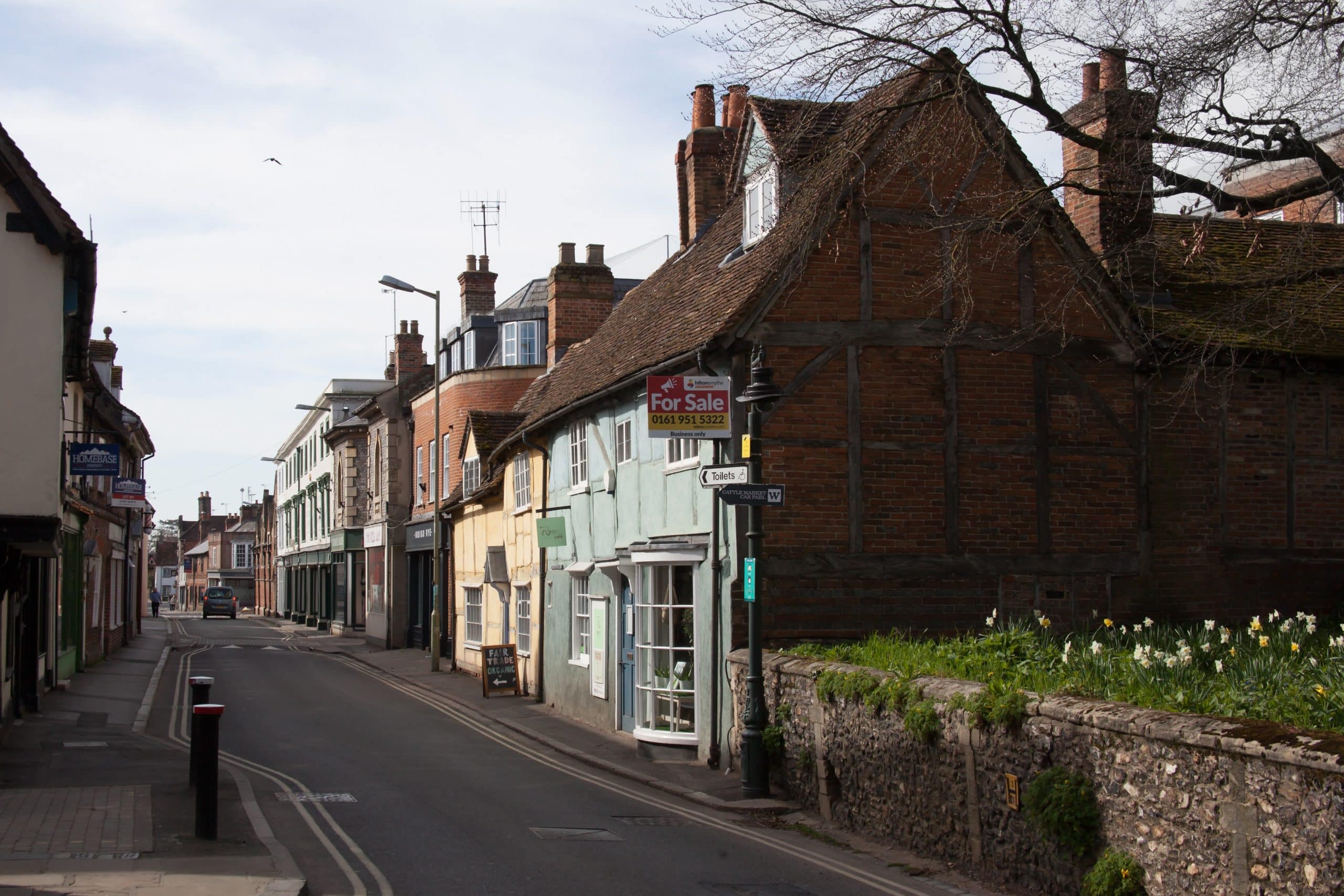
Perhaps the real magic of Wallingford lies in the way it balances past and present – it’s managed to do this to perfection! Wallingford’s castle ruins and medieval streets speak of a turbulent history, while its riverside walks and surrounding countryside offer calm and beauty. Literary connections add a touch of international fame, yet the town itself retains the easy going pace of a traditional English market community.
Spend a little time here—wandering along the Thames, browsing the market square, or simply sitting in a riverside pub—and it quickly becomes clear why Wallingford has inspired writers, attracted visitors, and held onto its distinctive character for so many centuries. It may not shout for attention, but that quiet confidence is exactly what makes Wallingford so memorable. So, get on-board the River Rapids X40 and enjoy a fun-filled trip out with a gem in the middle! Check out the timetable below and plan your day out….
https://www.oxfordbus.co.uk/services/THTR/X40
Related posts
 19 Feb
Fun adventures for your February half term
Looking for a fun and adventurous way to spend this half term with your family? Look no further than Great…
 19 Mar
Full electric city bus network in Dunfermline
Stagecoach East Scotland has launched the UK’s newest fully-electric city bus network in Dunfermline. The 7 and 7A services between…
 13 May
Gripping, Great Grimsby on the Stagecoach 51
One of our hidden gem Great Scenic Journeys is the Stagecoach 51 service from Louth to Grimsby, which meanders blissfully…