
Saltaire
YorkshireCountrysideFamily FriendlyFood and drink
Key info
 Category
Countryside
Yorkshire
About this attraction
About Saltaire
Saltaire is a village that feels deliberately composed, where architecture, landscape and daily life are tightly interwoven. Built beside the River Aire and the Leeds and Liverpool Canal, it is best known as a planned industrial settlement rather than a place that grew organically. Walking through Saltaire, that intention is immediately clear in the straight streets, uniform stone terraces and the dominant presence of Salts Mill at its centre.
The village was founded in the mid-19th century by Sir Titus Salt, a textile manufacturer who relocated his mill from overcrowded Bradford to this stretch of the Aire Valley. Salt built not just a factory, but an entire community for his workers. Housing, schools, churches, baths and recreational facilities were all included, reflecting Victorian ideals of order, morality and social improvement. Unlike many industrial settlements, Saltaire was designed to offer light, air and structure, and much of that vision survives intact today.
Salts Mill remains the focal point. The vast stone building once housed thousands of looms; today it contains galleries, shops and spaces for quiet exploration. Its scale is striking, but the atmosphere inside is calm rather than overwhelming. From the mill, paths lead easily to the canal and river, where flat towpaths provide gentle walks framed by trees, water and long views through the valley. These routes are ideal for slow wandering and make Saltaire feel open despite its compact layout.
Beyond the mill, the residential streets are an essential part of the experience. Rows of identical houses reinforce the sense of equality and planning that defined the village. Small details, such as uniform doorways and carefully spaced windows, reward close attention. The village church and former institute buildings add variation without breaking the overall harmony.
Saltaire’s appeal lies in restraint. There are no grand monuments competing for attention, just a coherent environment that encourages walking, observing and pausing. Its designation as a World Heritage Site reflects how rare this level of preservation is, but the village does not feel frozen. People live, work and move through it every day, giving it a quiet vitality.
Visiting Saltaire is about understanding how industry, idealism and landscape came together in one place. It offers insight into a moment when industrial progress was paired, however imperfectly, with social ambition, and that clarity of purpose is still written into its streets and spaces today.
Location
Find Saltaire on the map
Getting here
Scenic route that passes nearby
Hop on any of these for a scenic ride to Saltaire.
More to see in Yorkshire
Other attractions nearby
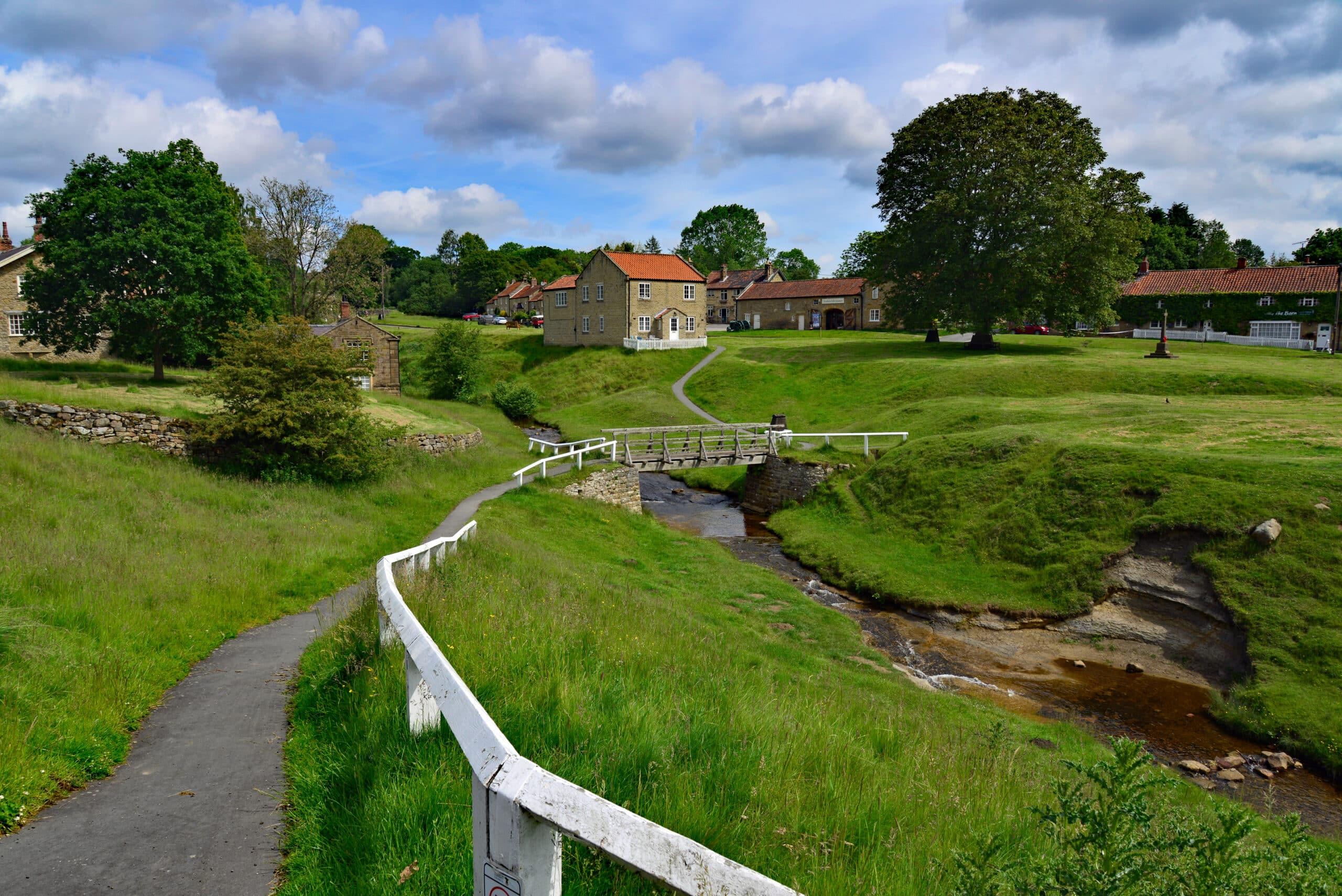
Ryedale Folk Museum
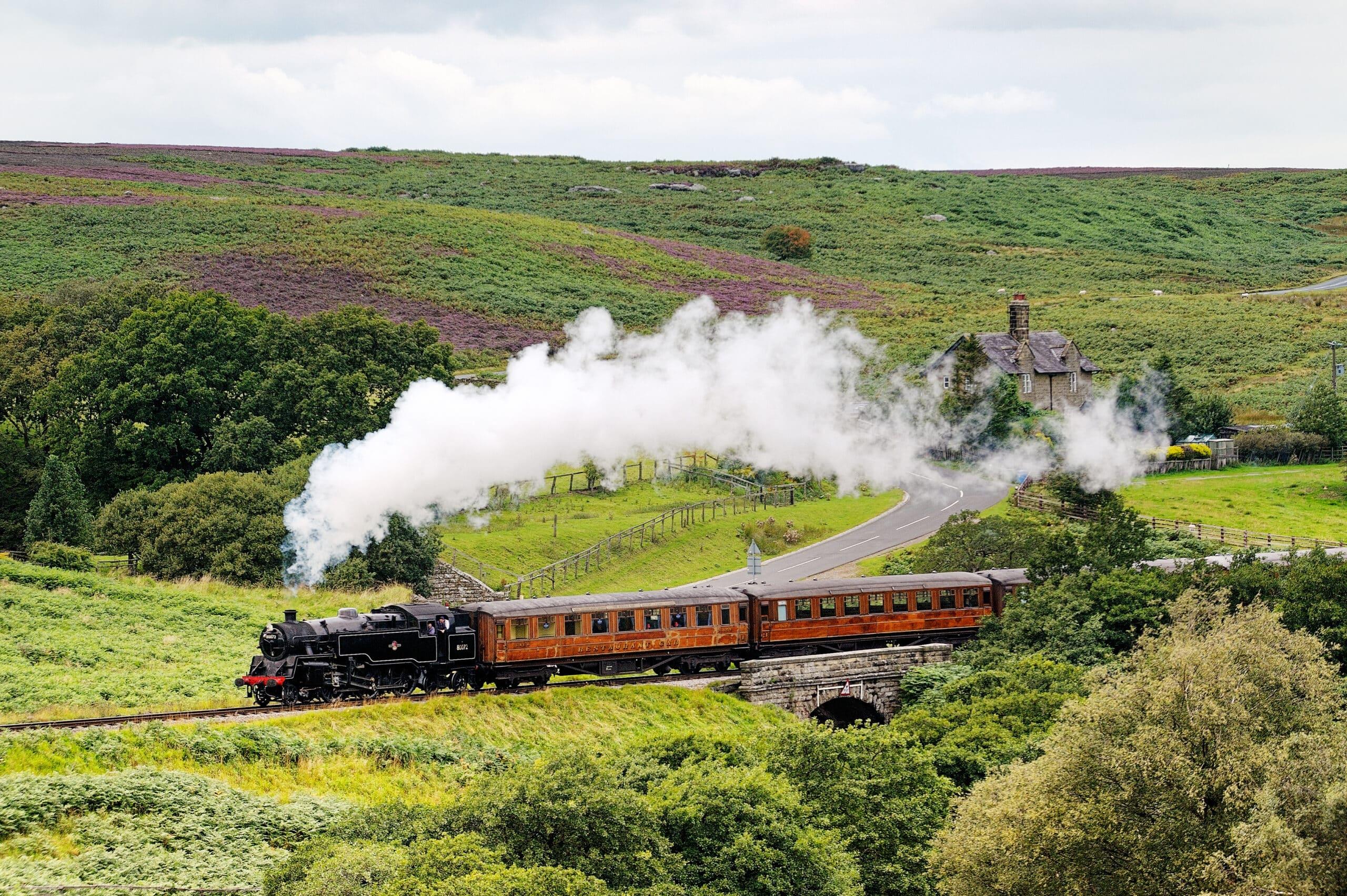
Pickering Castle
Well-preserved Norman motte-and-bailey castle on the edge of the North York Moors

Brass Castle Brewery
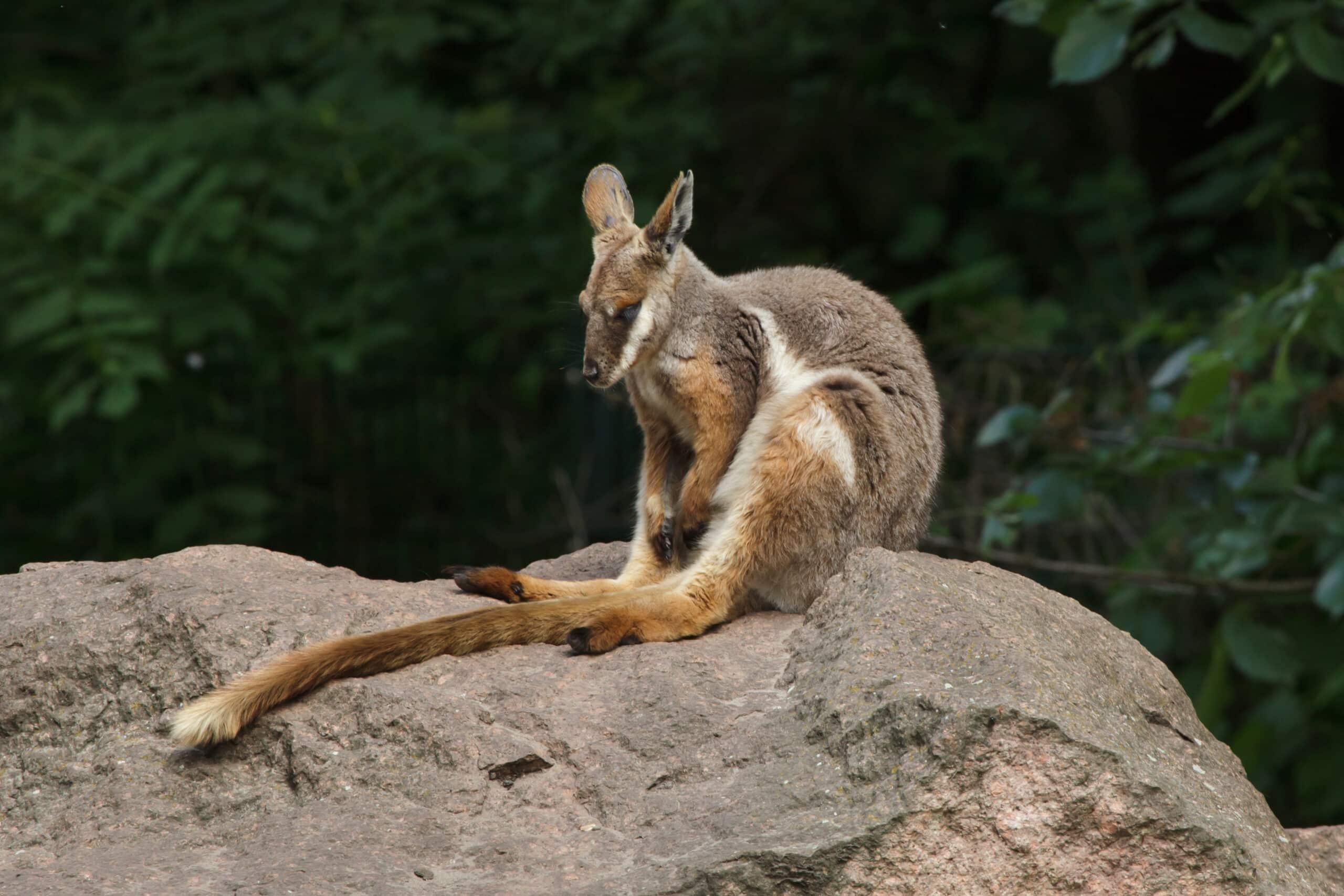
Flamingo Land Theme Park
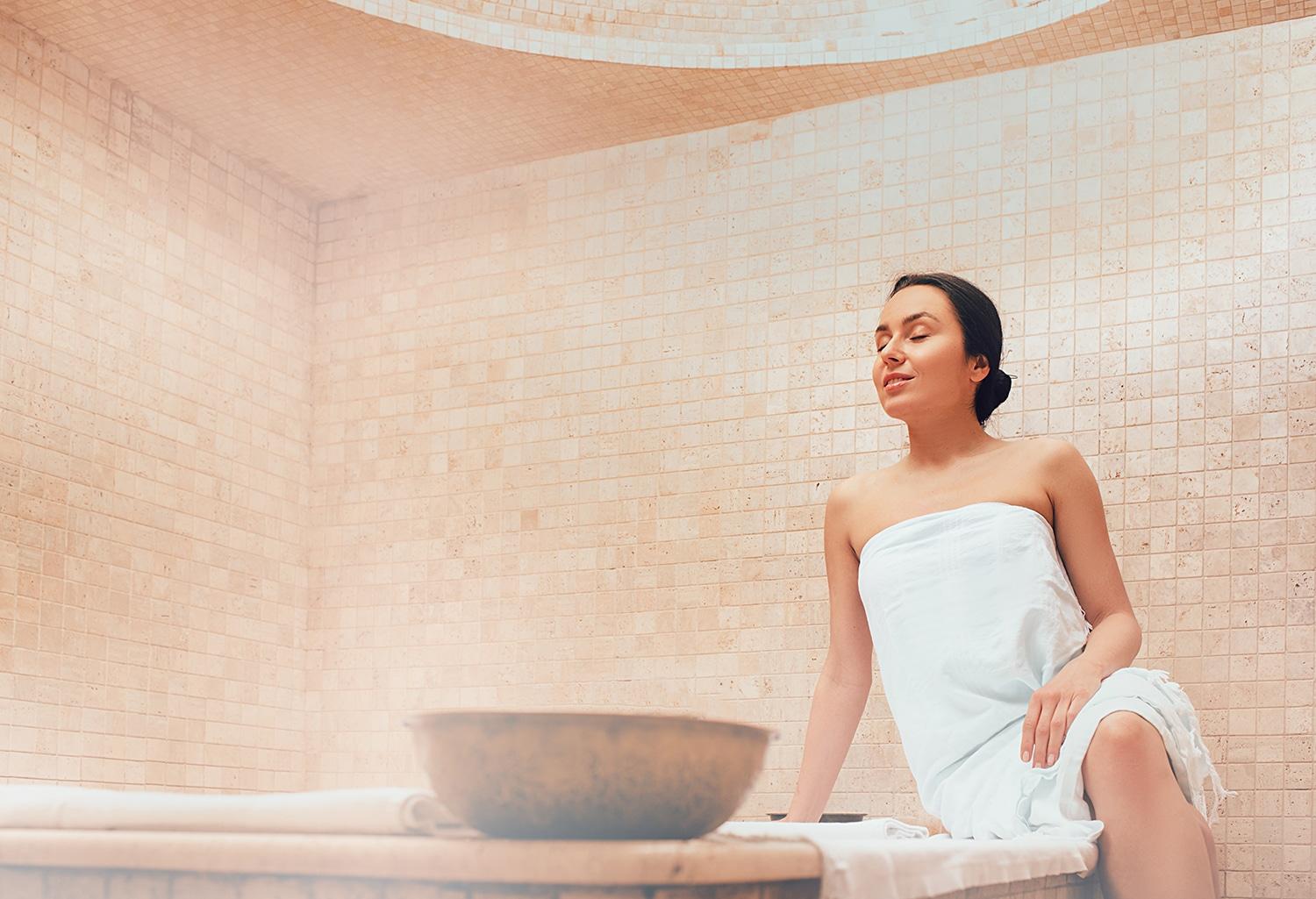
Turkish Baths
One of only a handful of working Victorian Turkish baths left in Britain, lavishly tiled and still in daily…
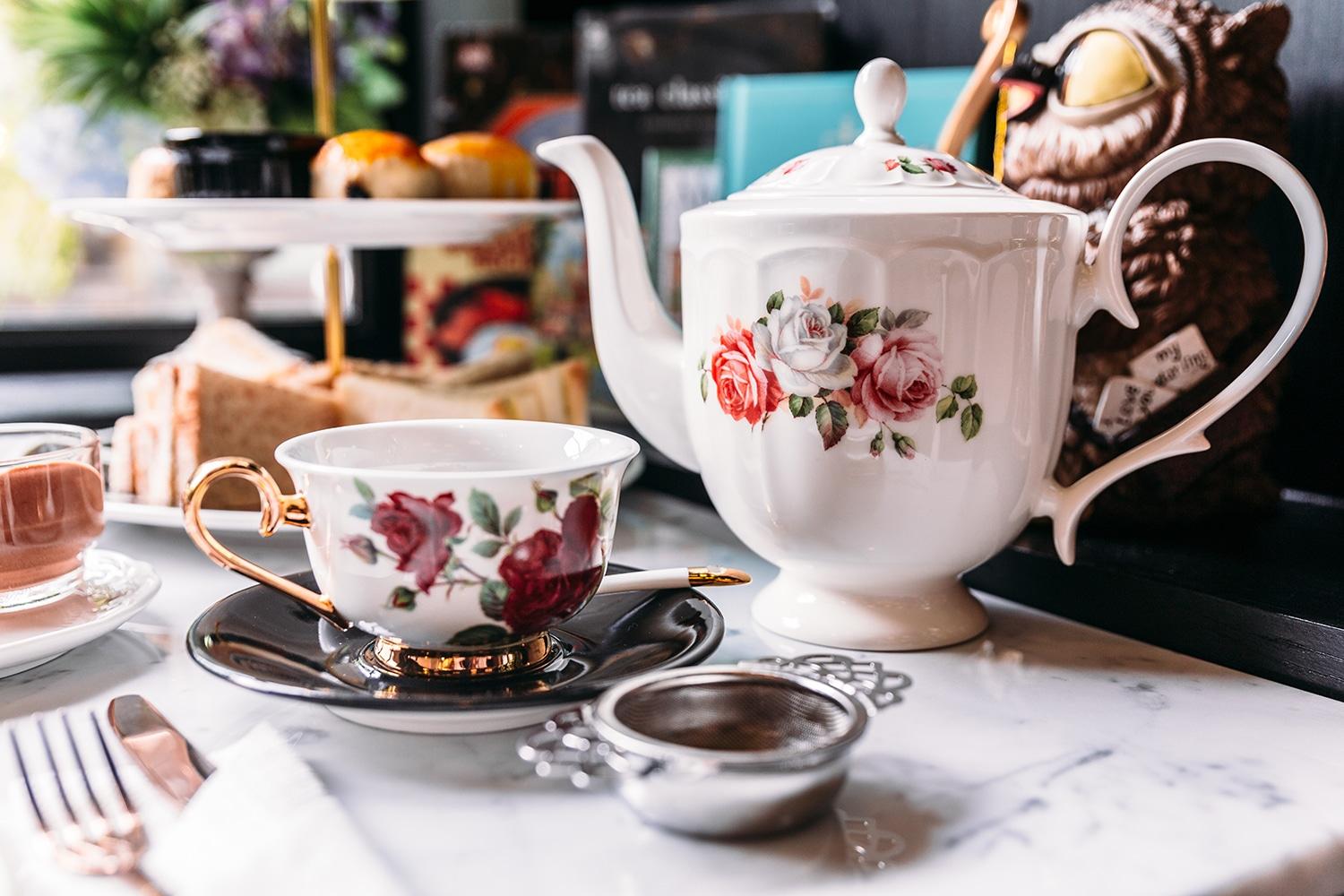
Betty's Tearooms
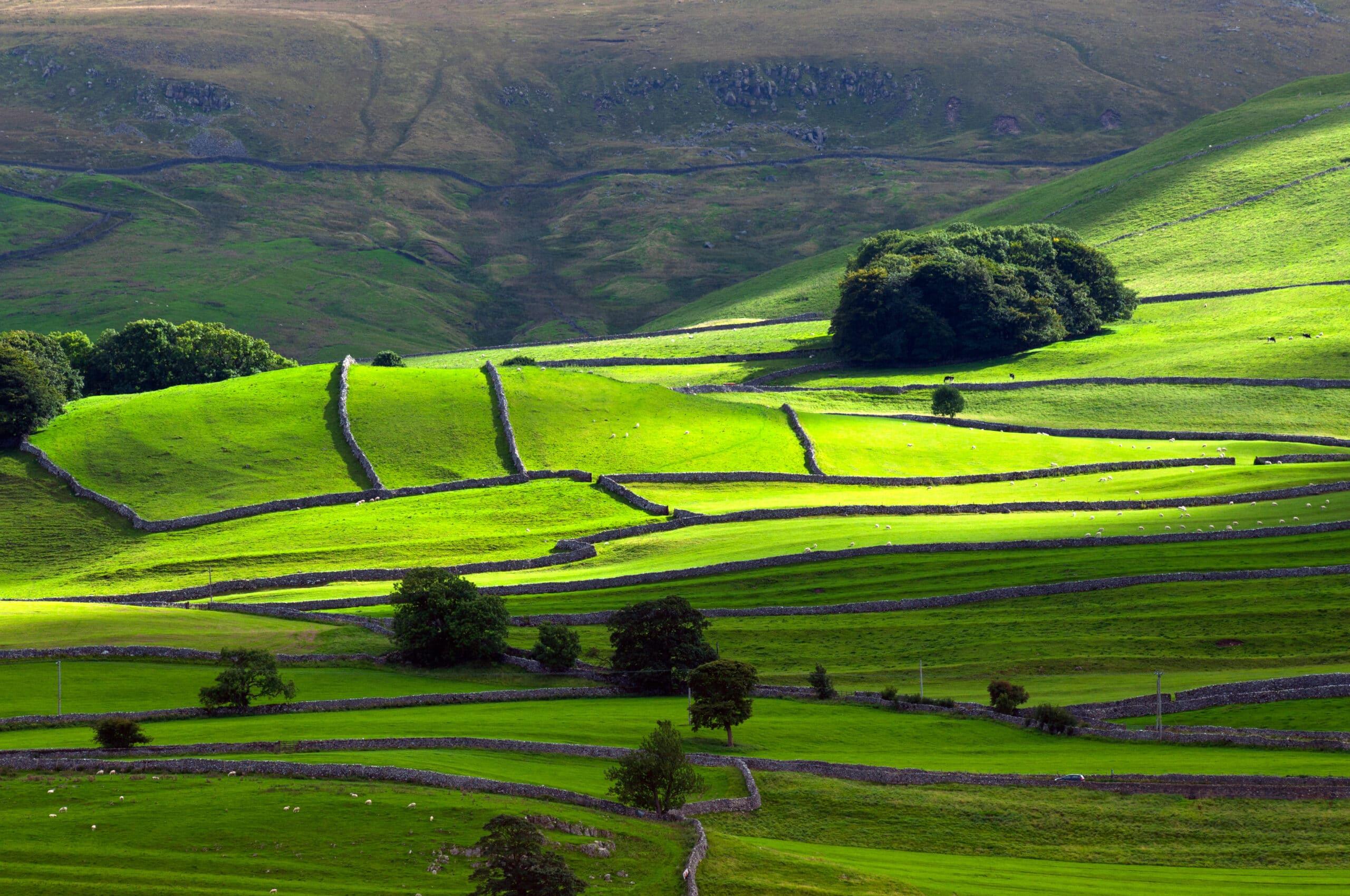
Grassington
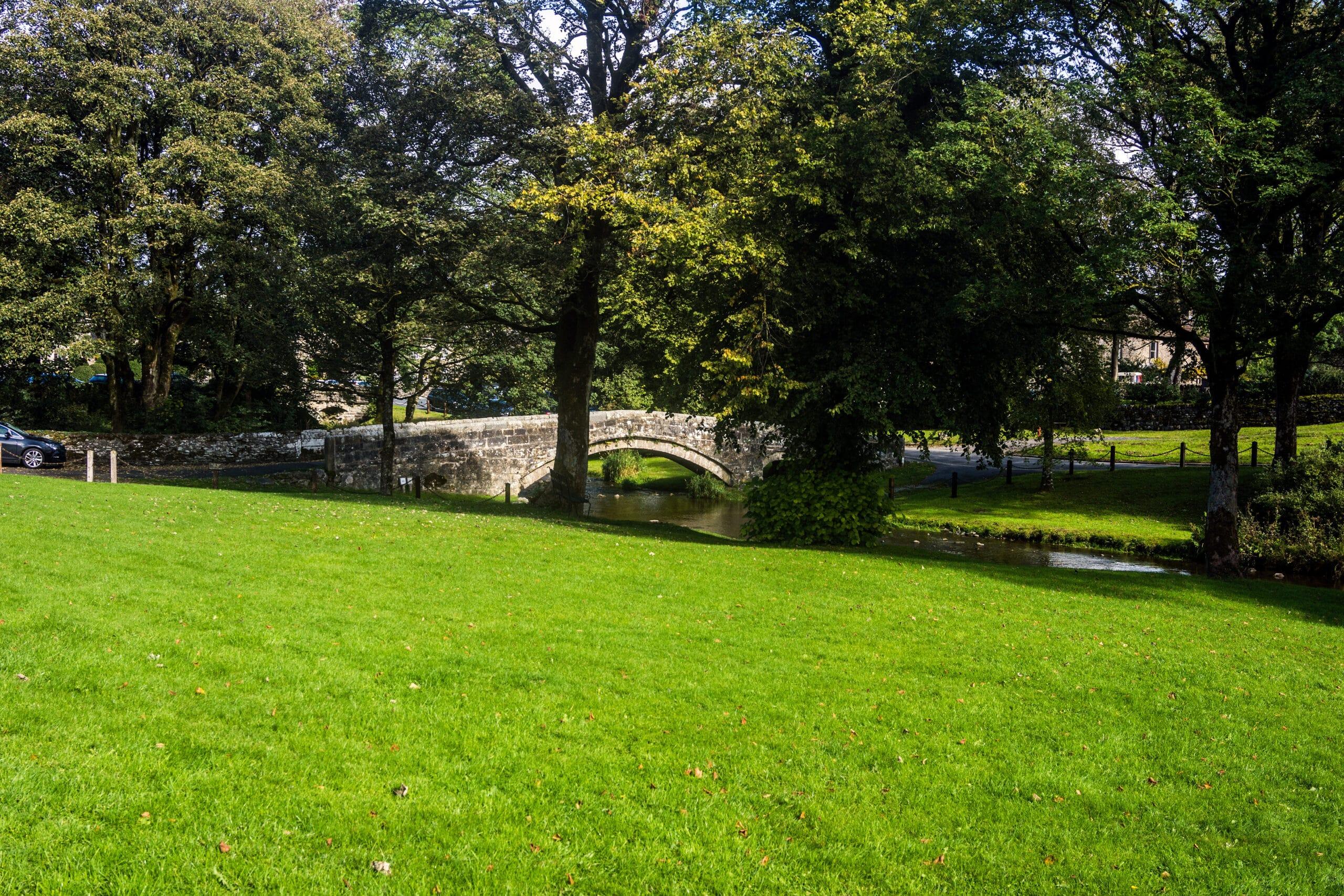
Linton
Quintessential Dales village with a green, stepping stones and a packhorse bridge.