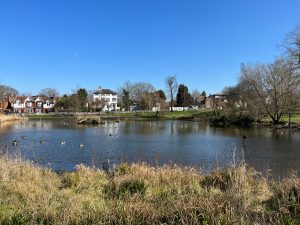
Overton is a small, quietly charming village and civil parish in Lancashire, England, nestled between Heysham and the River Lune, just southwest of Lancaster. With a population of about 1,069 (as of the 2011 Census) it has the feel of a close‑knit community, where history and landscape combine to give a strong sense of place.
The origins of Overton stretch back over a thousand years. It appears in the Domesday Book under the name Ouretun, meaning something like “the settlement on the shore” (from Old English ofer “shore, bank” + tun “farm, settlement”) rather than “over” in the sense of above. Over many centuries its residents have witnessed the ebb‑and‑flow of maritime trade, agriculture, and shifting governance; the manor of Overton passed through several hands including those of Earl Tostig and later John of Gaunt, before being held by various trustees.
Architecturally, Overton retains much of its old‑world English village character. The historic core is made up of stone or sandstone cottages, rendered walls, stone‑slate roofs, old farmhouses and barns. Many buildings date from the 17th and 18th centuries, though some sites are older. The village is laid along “Main Street” and two principal roads, and its conservation area preserves this compact, intimate layout. One of its distinguishing landmarks is St Helen’s Church, whose origins are Norman or early post‑Norman; it has sturdy architecture, an open turret, a Norman doorway with zigzag mouldings and an ancient font.
Geographically, Overton is set in a low‑lying coastal area just above Morecambe Bay, with marshes and tidal flats nearby and a peninsula formed by the River Lune. To its west lies Sunderland (part of the historical township) and there is a ferry route to Glasson across the river. The landscape is flat near the shore, rising gently inland, offering wide views, salt marshes, riverside features and open spaces.
Life in Overton is quietly rural but with enough local amenities to make it comfortable: there are inns and public houses, a post office, neighbourly cottages, a preserved village atmosphere, and strong community attachment to the character of the place. The pace of life is slow, shaped by tides, seasons, and natural surroundings rather than bustle. The people of Overton value their heritage, setting, and sense of identity: preserving the appearance of the village, maintaining footpaths, keeping green spaces, and protecting the old streets and buildings are recurrent local concerns.
Other adventures for your Great Scenic Journeys collection?


 Food and drink
 Family Friendly
 Countryside
 History & Heritage
 Nature & Wildlife
 Coastal
 City & Culture
 Nightlife
 Museums