
National Science and Media Museum, Bradford
YorkshireFamily FriendlyCity & CultureHistory & Heritage
Key info
 Category
Family Friendly
Yorkshire
About this attraction
About National Science and Media Museum, Bradford
The National Science and Media Museum sits at the heart of Bradford’s city centre and explores how photography, film, television, sound and digital media have shaped everyday life. Housed in a large former theatre building, the museum feels open and purposeful, designed for exploration rather than quiet observation alone.
A visit usually begins with the permanent galleries dedicated to photography and image-making. These spaces trace the development of photography from early experiments through to modern digital culture. Cameras, prints and archival material are displayed in a way that connects technical innovation with social change, showing how images have influenced journalism, art and personal memory. The galleries reward slow looking, with plenty of detail that reveals how rapidly image technology has evolved.
Film and television are another central focus. Exhibits explore the mechanics of moving images, from early cinema to broadcast television and contemporary production. Sets, props and behind-the-scenes material give insight into how familiar programmes and films are made, breaking down the illusion of the screen into practical processes. Interactive elements allow visitors to experiment with sound, editing and visual effects, making the experience engaging rather than purely instructional.
One of the museum’s most striking features is its cinema space, which has long been associated with large-format film. Watching a screening here adds a different dimension to the visit, reinforcing the museum’s emphasis on how media is experienced collectively as well as individually. Sound and scale are treated as part of the story, not just as technical details.
The museum’s history is closely tied to Bradford’s role in film culture. Opened in the 1980s, it was established partly in recognition of Bradford’s strong connection to cinema and photography, a legacy that later contributed to the city being named a UNESCO City of Film. The institution has evolved over time, reshaping its galleries to reflect changing technology while retaining a focus on craft and innovation.
Beyond exhibitions, the museum functions as a lively public space. Temporary displays, talks and family activities ensure repeat visits feel fresh. Its central location makes it easy to combine with exploring Bradford’s surrounding architecture and cultural venues.
The National Science and Media Museum succeeds because it treats media not as abstract technology, but as something deeply embedded in daily life. It connects invention with experience, past with present, and invites visitors to think critically about the images and sounds that surround them every day.
Location
Find National Science and Media Museum, Bradford on the map
Getting here
Scenic route that passes nearby
Hop on any of these for a scenic ride to National Science and Media Museum, Bradford.
More to see in Yorkshire
Other attractions nearby
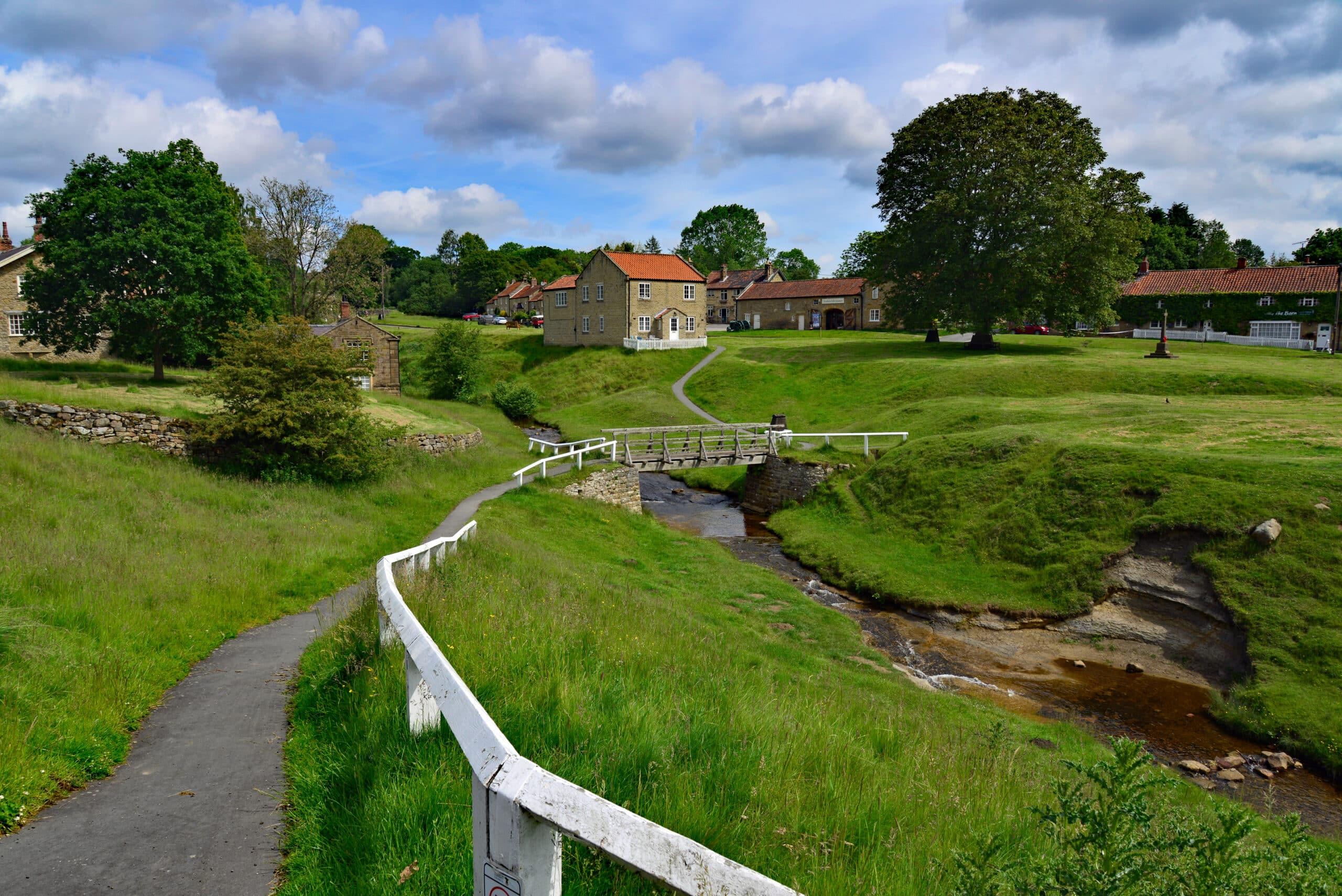
Ryedale Folk Museum
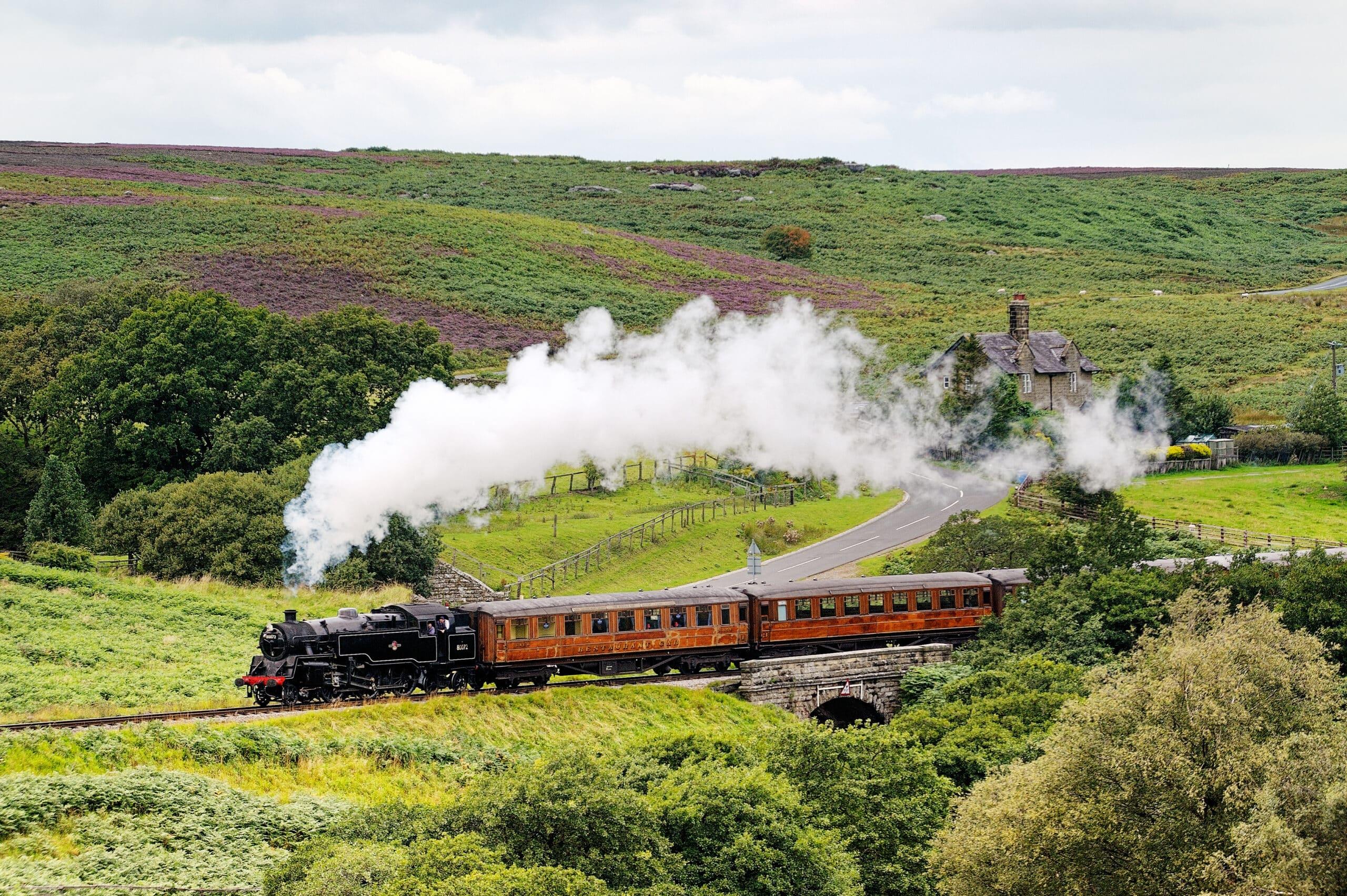
Pickering Castle
Well-preserved Norman motte-and-bailey castle on the edge of the North York Moors

Brass Castle Brewery

Flamingo Land Theme Park

Turkish Baths
One of only a handful of working Victorian Turkish baths left in Britain, lavishly tiled and still in daily…

Betty's Tearooms

Grassington
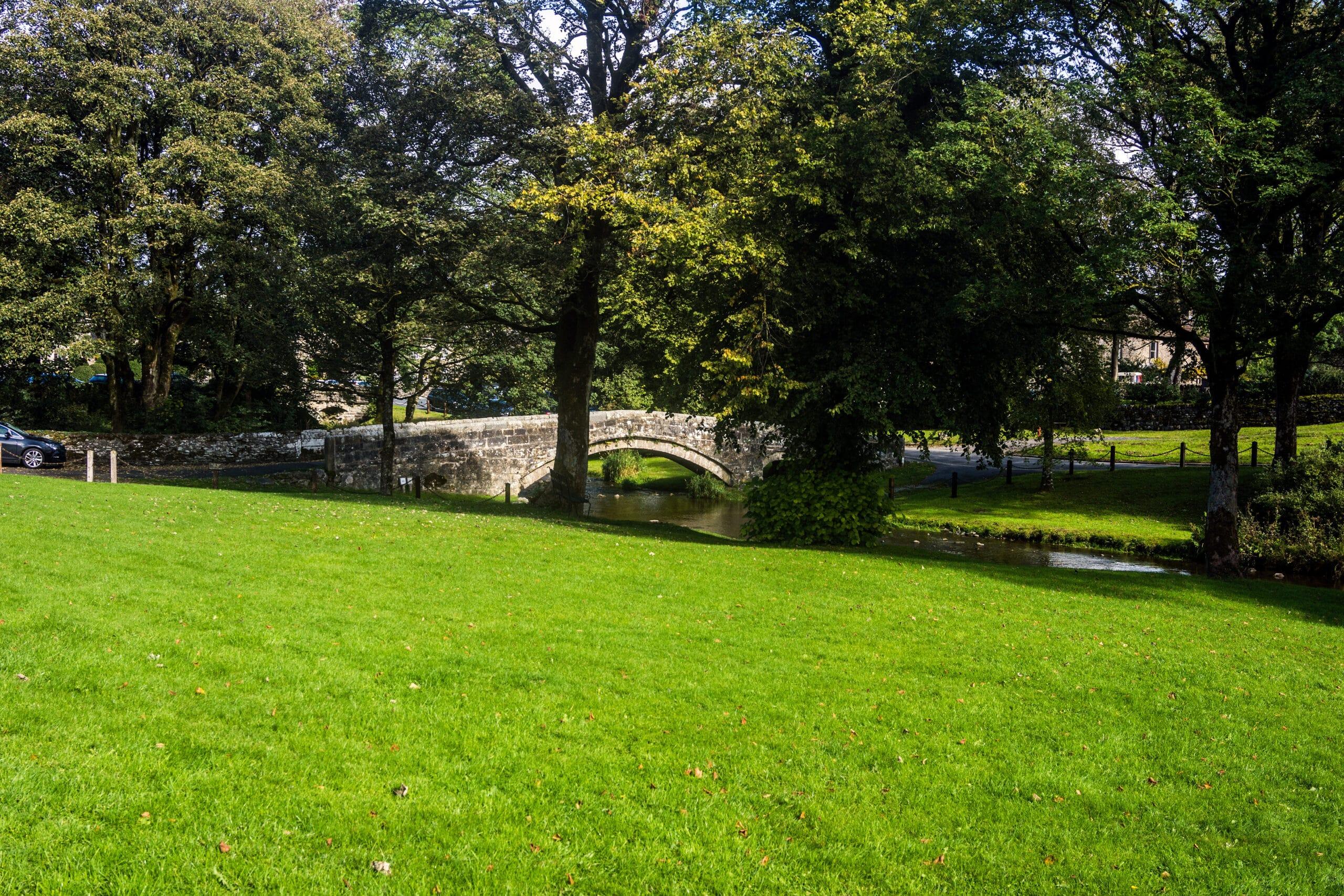
Linton
Quintessential Dales village with a green, stepping stones and a packhorse bridge.