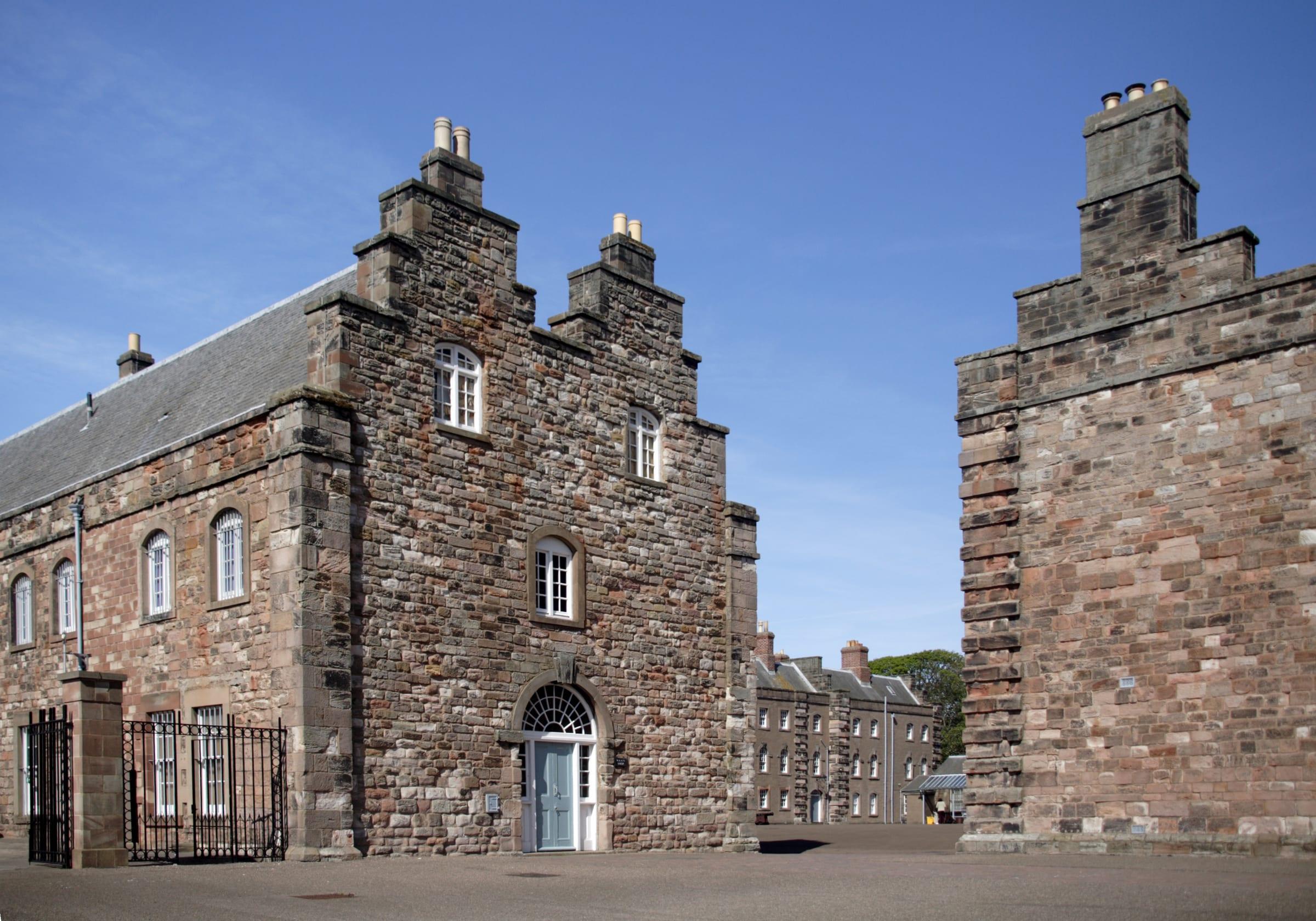
Chester-le-Street
NorthumberlandCity & CultureCountrysideHistory & Heritage
Key info
 Category
City & Culture
Northumberland
About this attraction
About Chester-le-Street
Chester-le-Street is a historic market town in County Durham, England, nestled along the River Wear. Its rich history dates back to 122 AD when the Romans established the fort of Concangis on the site. The town’s name reflects its Roman heritage: “Chester” from the Latin castra meaning fort, and “le-Street” referencing the Roman road that passed through.
In 883 AD, monks from Lindisfarne brought the body of St. Cuthbert here, establishing a wooden cathedral that served as the seat of the Anglo-Saxon bishops until 995 AD. During this period, the Lindisfarne Gospels were translated into Old English by Aldred, making Chester-le-Street a significant centre of early Christianity.
Today, visitors can explore the Church of St. Mary and St. Cuthbert, which houses the Anker’s House Museum, a rare surviving anchorage that offers insight into the solitary lives of medieval anchorites.
For leisure, Riverside Park offers scenic walks along the River Wear, ornamental gardens, and play areas for children. Sports enthusiasts can visit the Riverside Cricket Ground, home to Durham Cricket, which hosts domestic and international matches.
Nearby, Lumley Castle, a 14th-century fortress turned hotel, provides a glimpse into the area’s medieval past. Additionally, the Chester Burn Viaduct, an impressive 19th-century railway bridge, stands as a testament to the town’s industrial heritage.
Chester-le-Street’s blend of historical significance and modern amenities makes it a captivating destination for visitors interested in England’s rich past and vibrant present.
Location
Find Chester-le-Street on the map
Getting here
Scenic routes that pass nearby
Hop on any of these for a scenic ride to Chester-le-Street.
- BUSDuration1 hour, 28 minutesFrequencyEvery 30 minutesNearest stopChester-le-Street South Burns 'Stop J' · 1 min walk
- BUSDuration1 hour, 51 minutesFrequencyEvery 30 minutesNearest stopChester-le-Street Coral's 'Stop G' · 2 min walk
More to see in Northumberland
Other attractions nearby
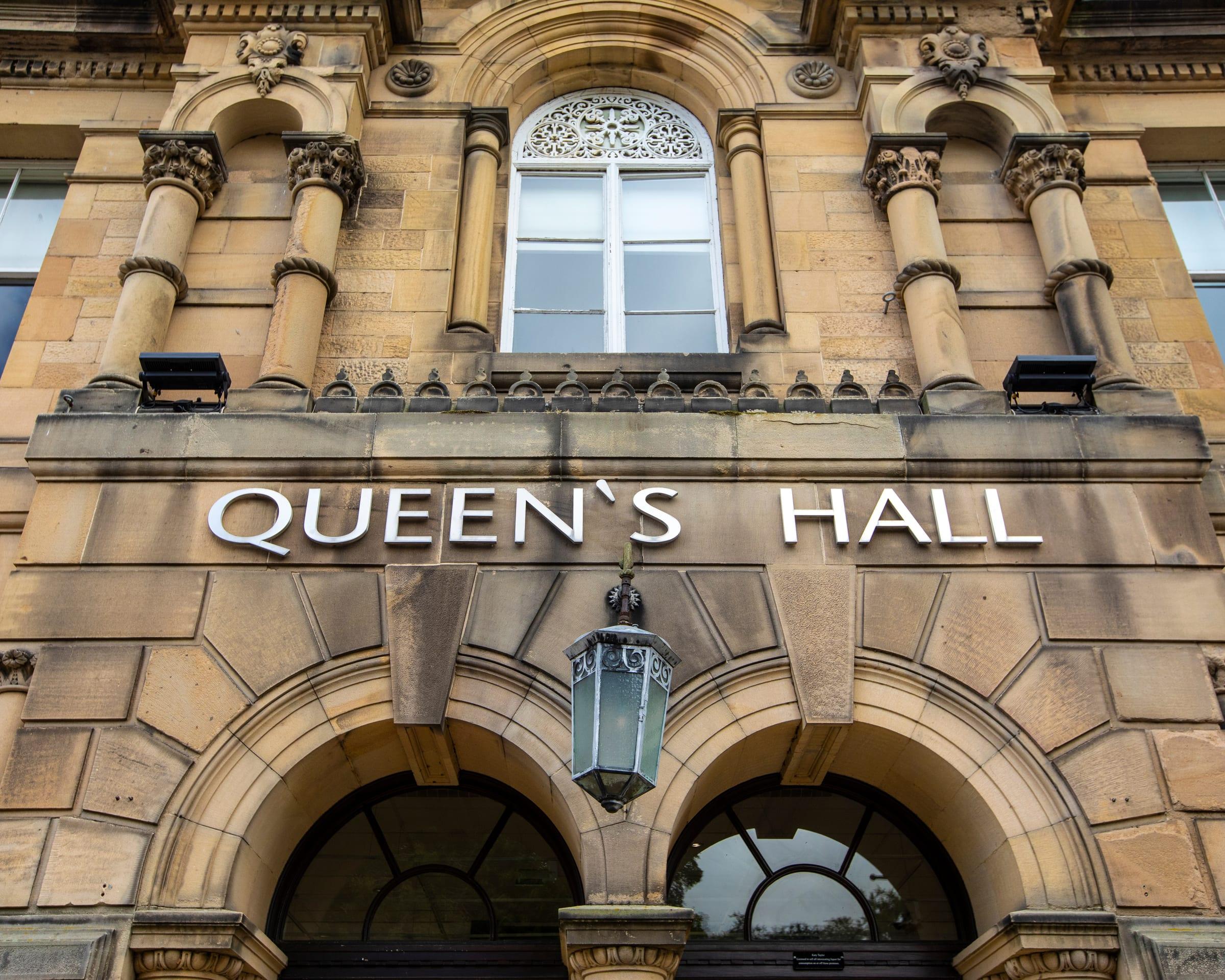
Hexham Forum (Queen's Hall Arts Centre)
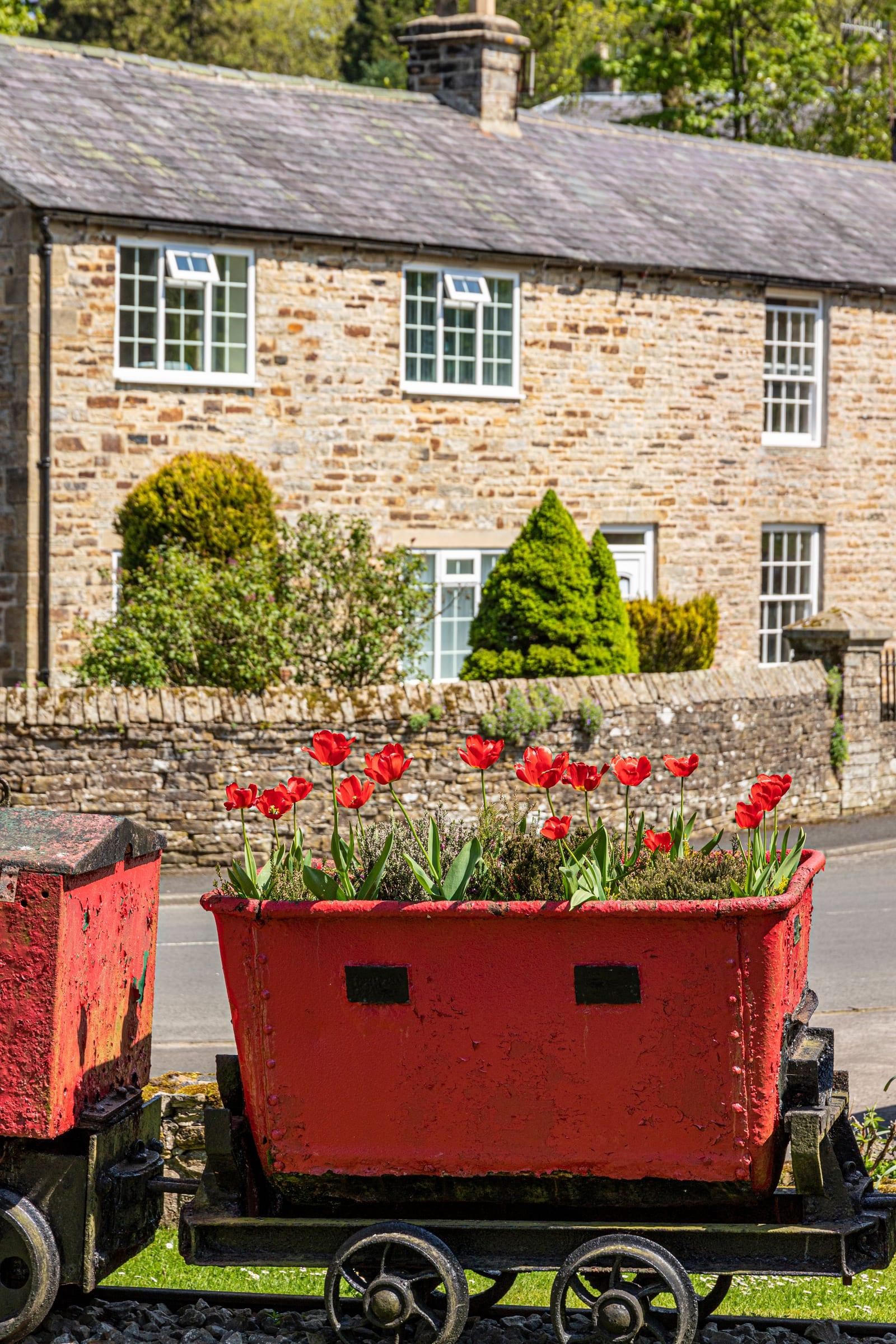
Allenheads Heritage Centre

Berwick-upon-Tweed Old Bridge
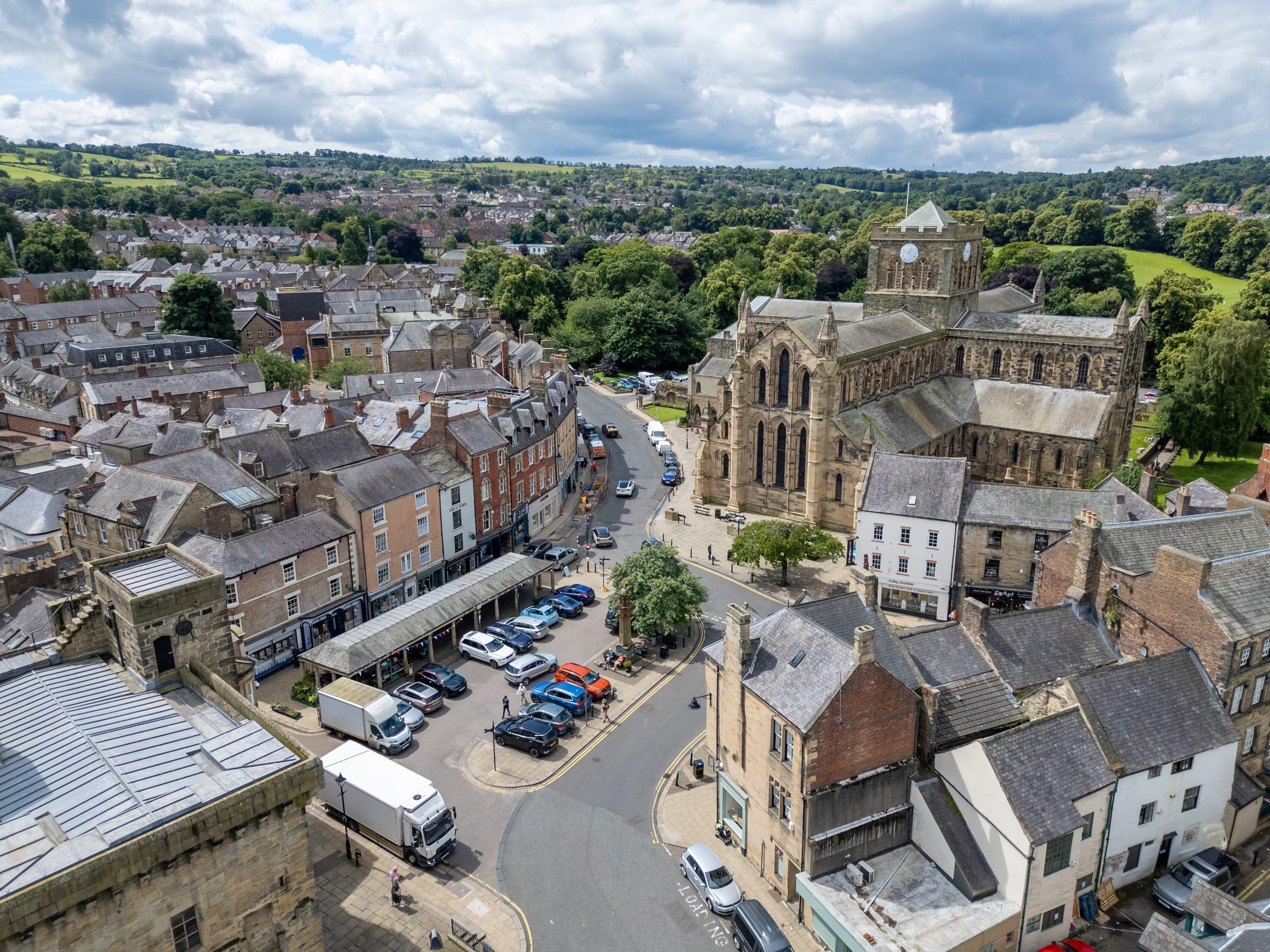
Hexham Market Place
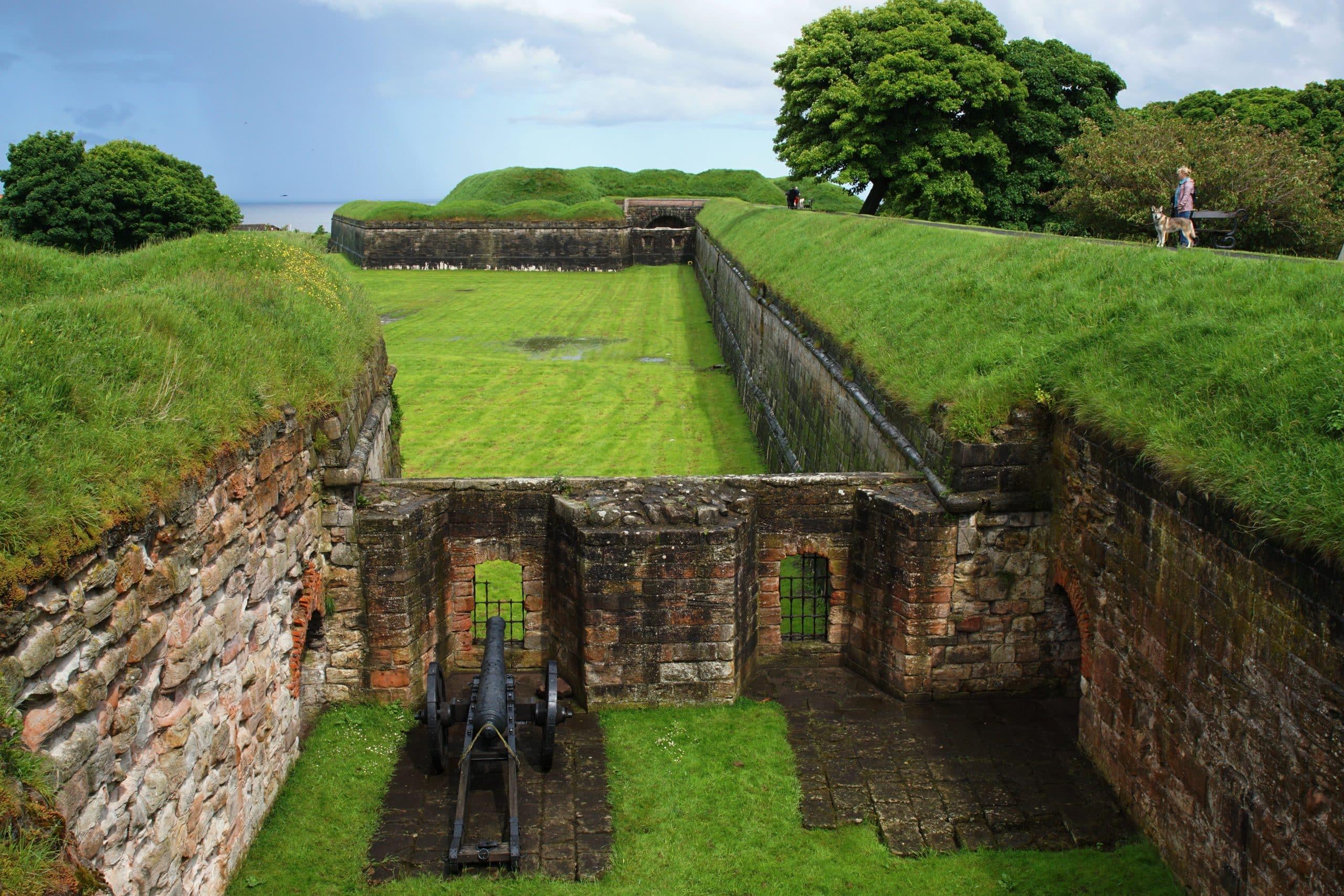
Berwick-upon-Tweed Town Walls and Ramparts
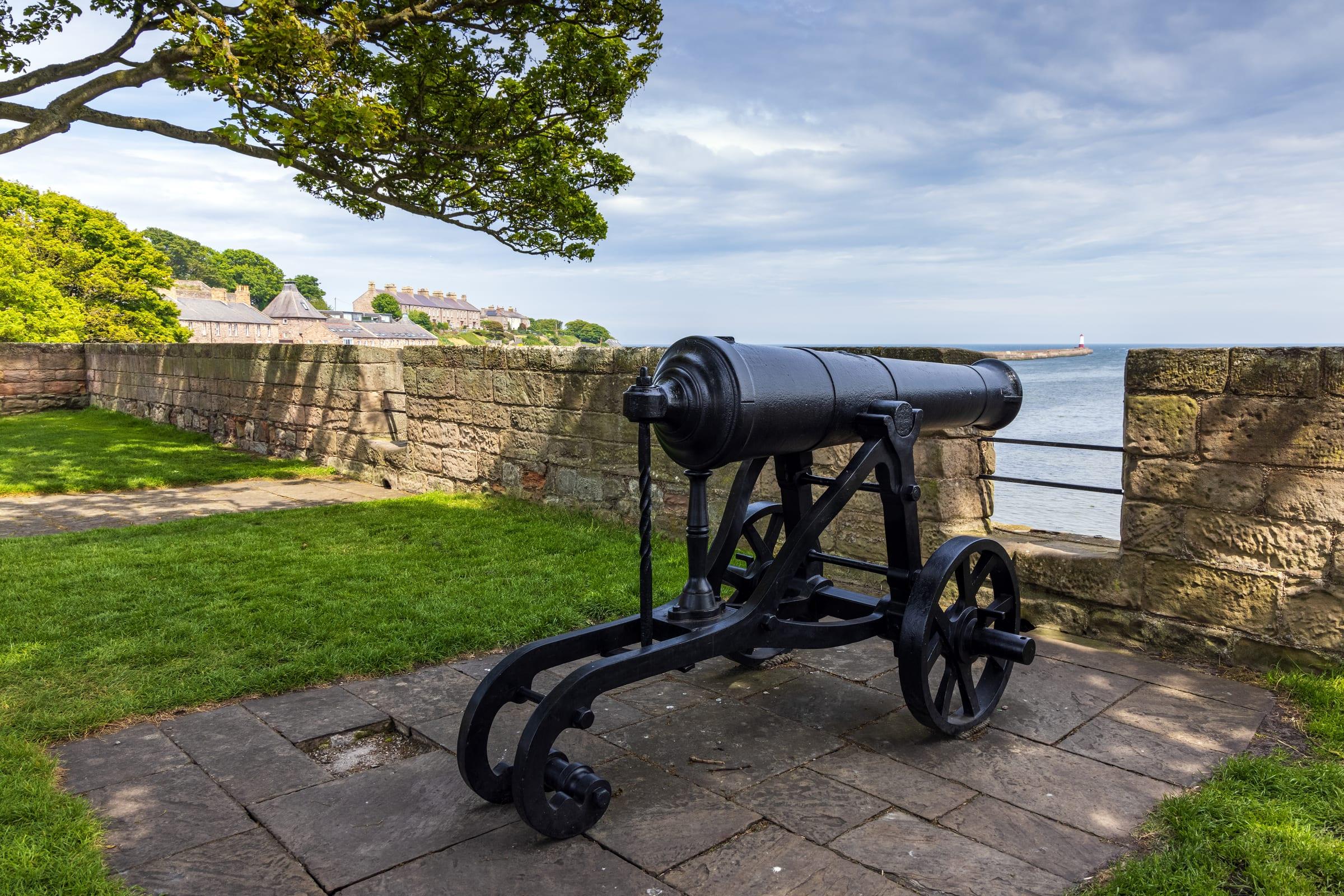
Berwick Castle

Berwick Museum and Art Gallery