
Bronte Waterfalls in Stanbury
About:
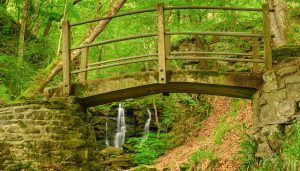
The Brontë Waterfalls near Stanbury sit quietly on the edge of the moors, away from crowds and commercial signage, reached by a steady walk through open countryside. Unlike a single dramatic cascade, the waterfalls are a series of rocky steps and shallow drops where the stream winds through gritstone, creating pools, ripples and constant movement. The beauty here is subtle and atmospheric rather than showy, shaped by weather, light and season.
The walk itself is part of the experience. Paths lead out from Stanbury and gradually open onto wide moorland, with long views and a growing sense of space. As you approach the waterfalls, the sound of running water cuts through the wind, drawing you toward the rocks. Flat stones and ledges create natural places to pause, sit, or cross the stream, and on quieter days the area feels almost untouched.
The site is closely associated with the Brontë sisters, who are believed to have walked here regularly. While there is no firm evidence tying specific scenes from Wuthering Heights or Jane Eyre to this exact spot, the landscape offers a clear emotional link to their work. The exposed moors, sudden changes in weather and sense of isolation mirror the intensity and restlessness found in their writing. Standing by the water, it is easy to imagine how this environment fed their imagination rather than distracted from it.
The waterfalls change character throughout the year. After heavy rain, the water rushes quickly over darkened stone, filling the air with sound and movement. In drier months, the stream slows, revealing mossy textures, shallow pools and reflective surfaces that catch the sky. In winter, frost and ice transform the rocks into sharp, sculptural forms, while summer brings softer light and long evenings.
There are no facilities at the waterfalls themselves, which helps preserve their quiet atmosphere. Visitors tend to bring everything they need and leave little behind. This lack of development reinforces the feeling that the landscape remains largely as it was in the Brontës’ time, shaped more by nature than by people.
The Brontë Waterfalls are best experienced slowly, with time to walk, sit and listen. They are not a spectacle designed to impress at first glance, but a place that rewards attention. It is this combination of simplicity, solitude and raw landscape that makes the waterfalls memorable, offering a direct connection to the moors and the enduring power of the setting that inspired some of England’s most emotionally charged literature.
 Food and drink
 Family Friendly
 Sport
Sport Museums
 Nature & Wildlife
 Countryside
 Coastal
 History & Heritage
 City & Culture
 Nightlife
 Lakes and Lochs
 Major Landmarks