
Bradford Industrial Museum
YorkshireFamily FriendlyCity & CultureHistory & Heritage
Key info
 Category
Family Friendly
Yorkshire
About this attraction
About Bradford Industrial Museum
The Bradford Industrial Museum is set within Moorside Mills, a former textile complex on the edge of Bradford, and offers a clear, practical insight into how industry shaped the city and its people. Unlike grand civic museums, this is a working-scale site, rooted firmly in everyday labour and production rather than spectacle.
The museum’s strength lies in its machinery. Inside the former mill buildings, customers can see large textile machines, looms and spinning equipment that once powered Bradford’s wool industry. These are not static displays. Many are demonstrated in motion, filling the space with sound and movement and giving a tangible sense of the physical demands and rhythms of industrial work. Watching these machines operate helps explain why Bradford grew so rapidly in the 19th century and how closely the city’s fortunes were tied to wool.
Steam power is another major focus. The engine house contains working steam engines that once drove the mill machinery through belts and shafts. Their scale and complexity make clear how engineering innovation underpinned industrial expansion. Standing beside them, it becomes easier to understand the noise, heat and constant motion that defined mill life.
Beyond textiles, the museum explores transport and manufacturing more broadly. Galleries include historic vehicles, motorcycles and bicycles, tracing how goods and people moved through the city and beyond. These displays show how industrial Bradford relied on strong transport links to function, connecting factories to markets and ports.
The museum also gives attention to working lives. Displays explore conditions in mills, changes in labour laws and the social impact of industrialisation. These sections add context, reminding customers that industry shaped housing, health and community as much as economics. The emphasis is practical and human, rather than abstract.
Historically, the site itself is part of the story. Moorside Mills reflects Bradford’s expansion beyond its centre as factories spread to valley edges and transport corridors. The museum preserves this environment rather than separating objects from their setting, allowing the building to speak alongside the exhibits.
Location
Find Bradford Industrial Museum on the map
Getting here
Scenic route that passes nearby
Hop on any of these for a scenic ride to Bradford Industrial Museum.
More to see in Yorkshire
Other attractions nearby
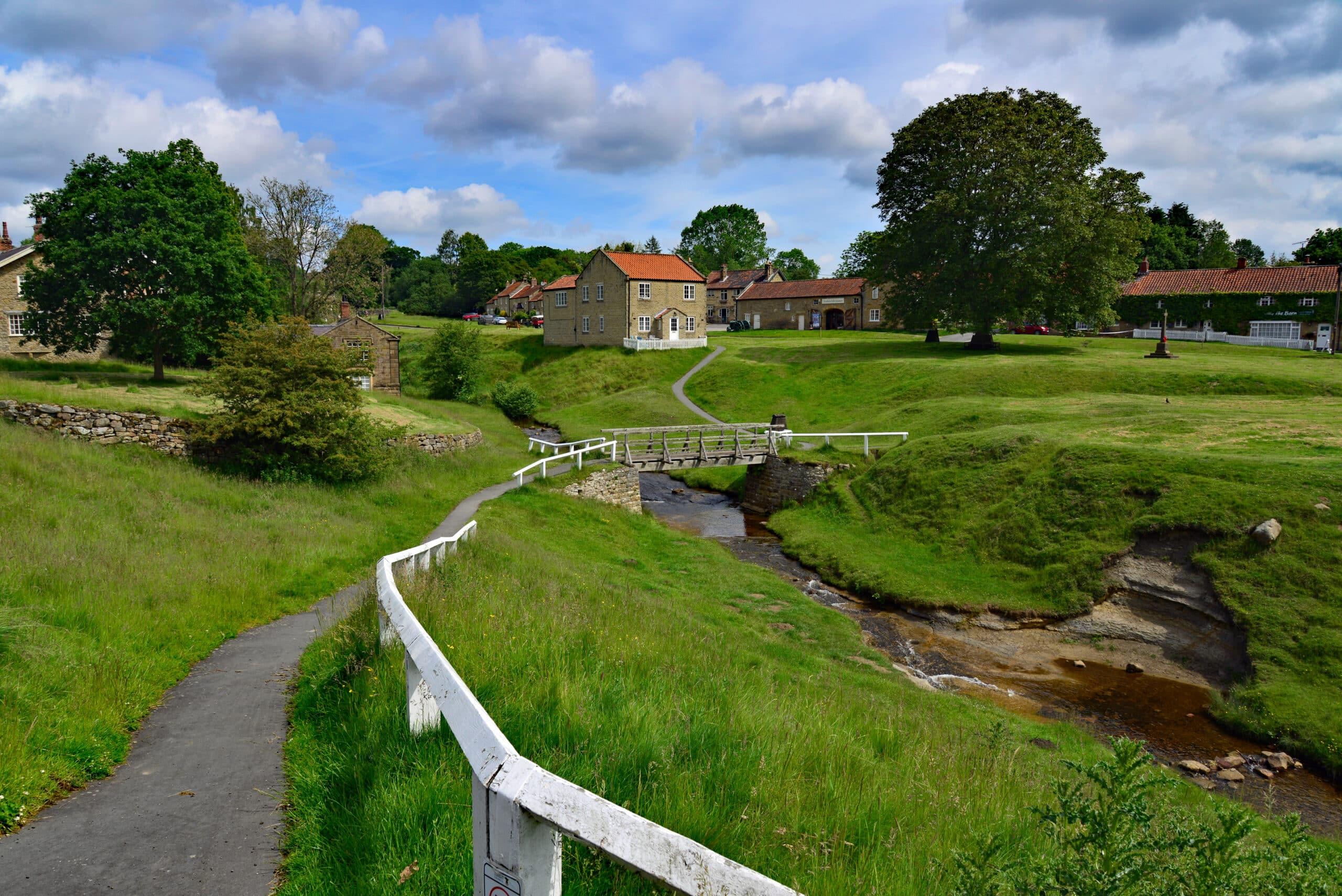
Ryedale Folk Museum
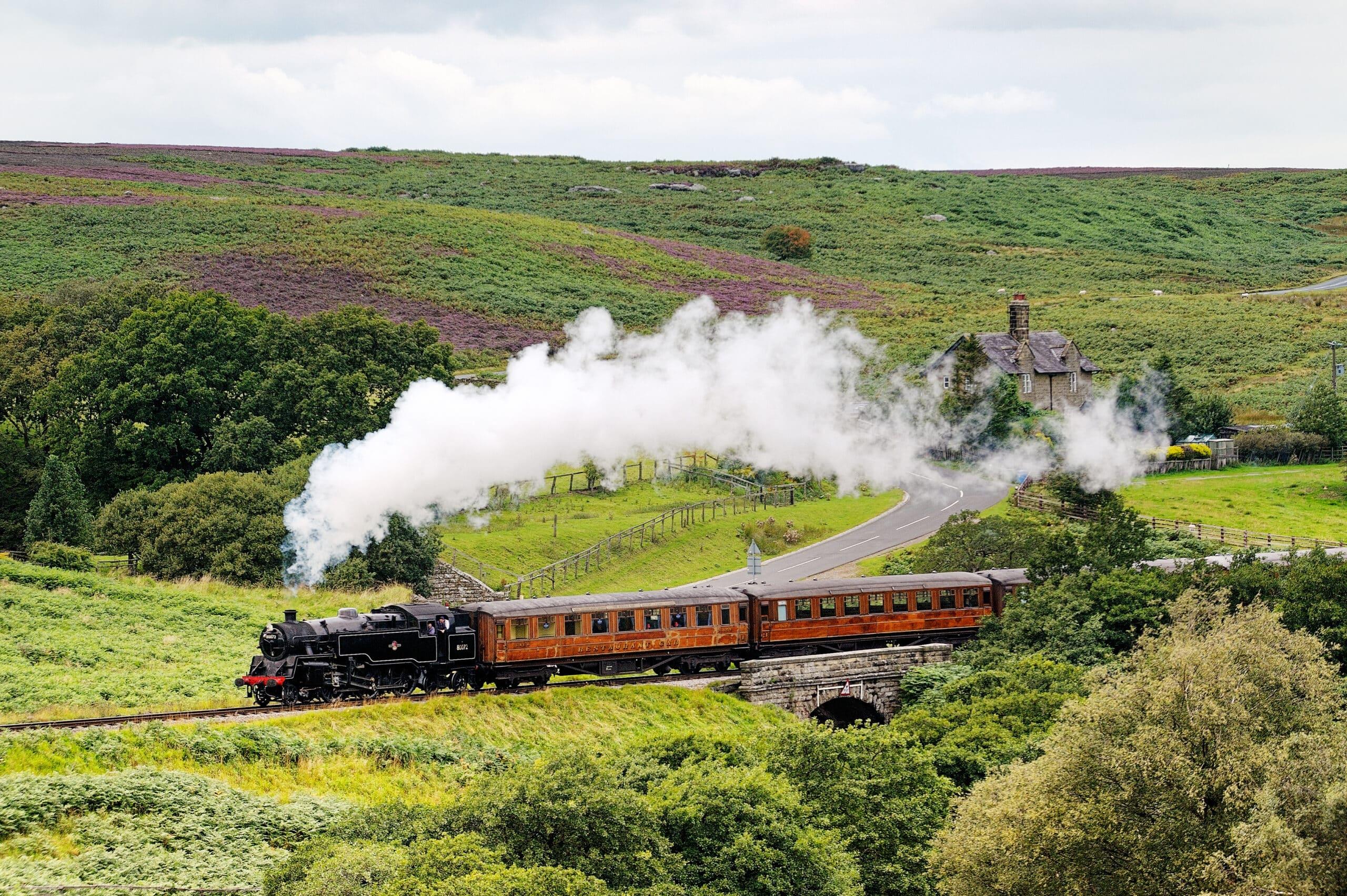
Pickering Castle
Well-preserved Norman motte-and-bailey castle on the edge of the North York Moors

Brass Castle Brewery

Flamingo Land Theme Park

Turkish Baths
One of only a handful of working Victorian Turkish baths left in Britain, lavishly tiled and still in daily…

Betty's Tearooms
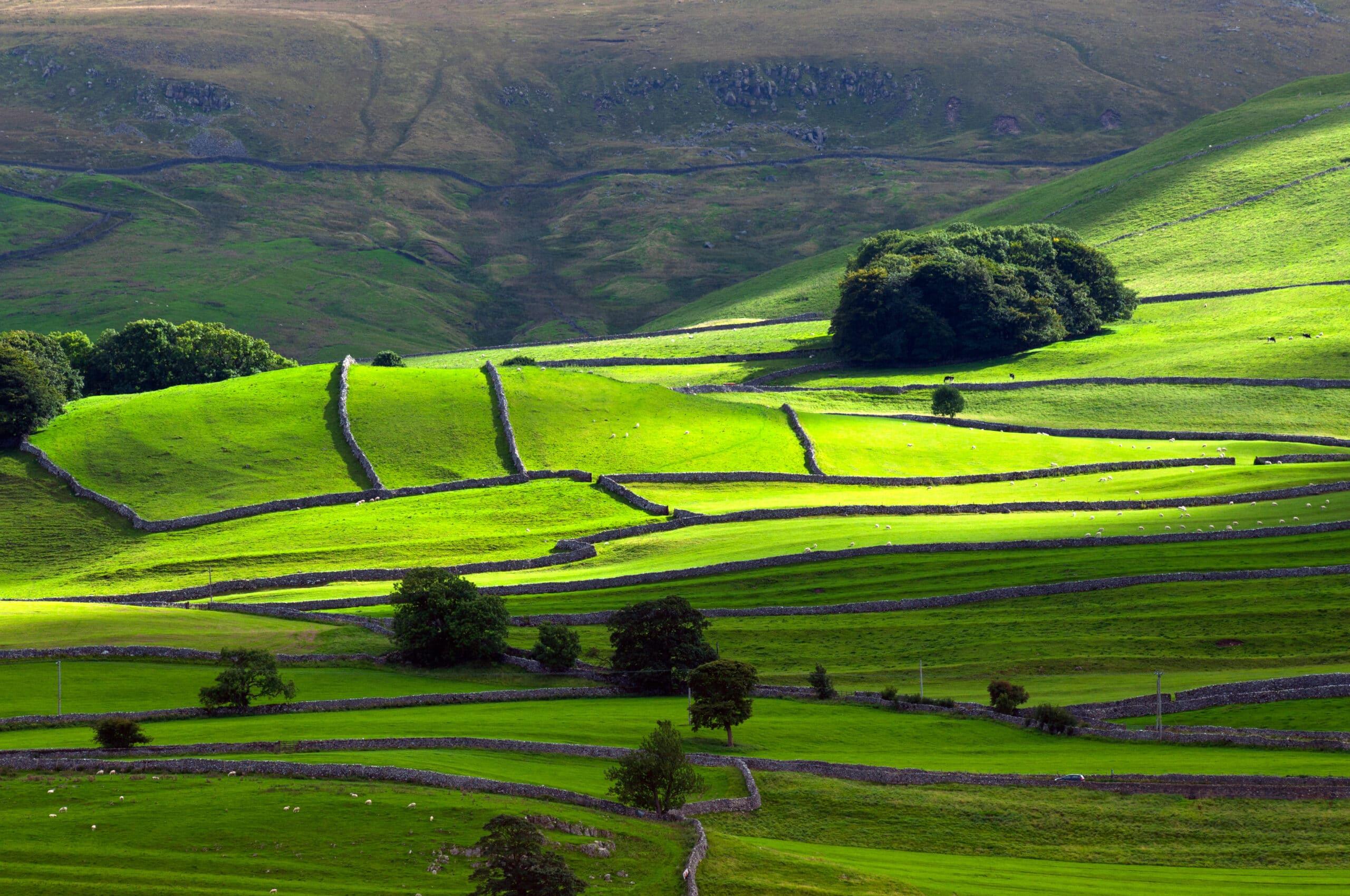
Grassington
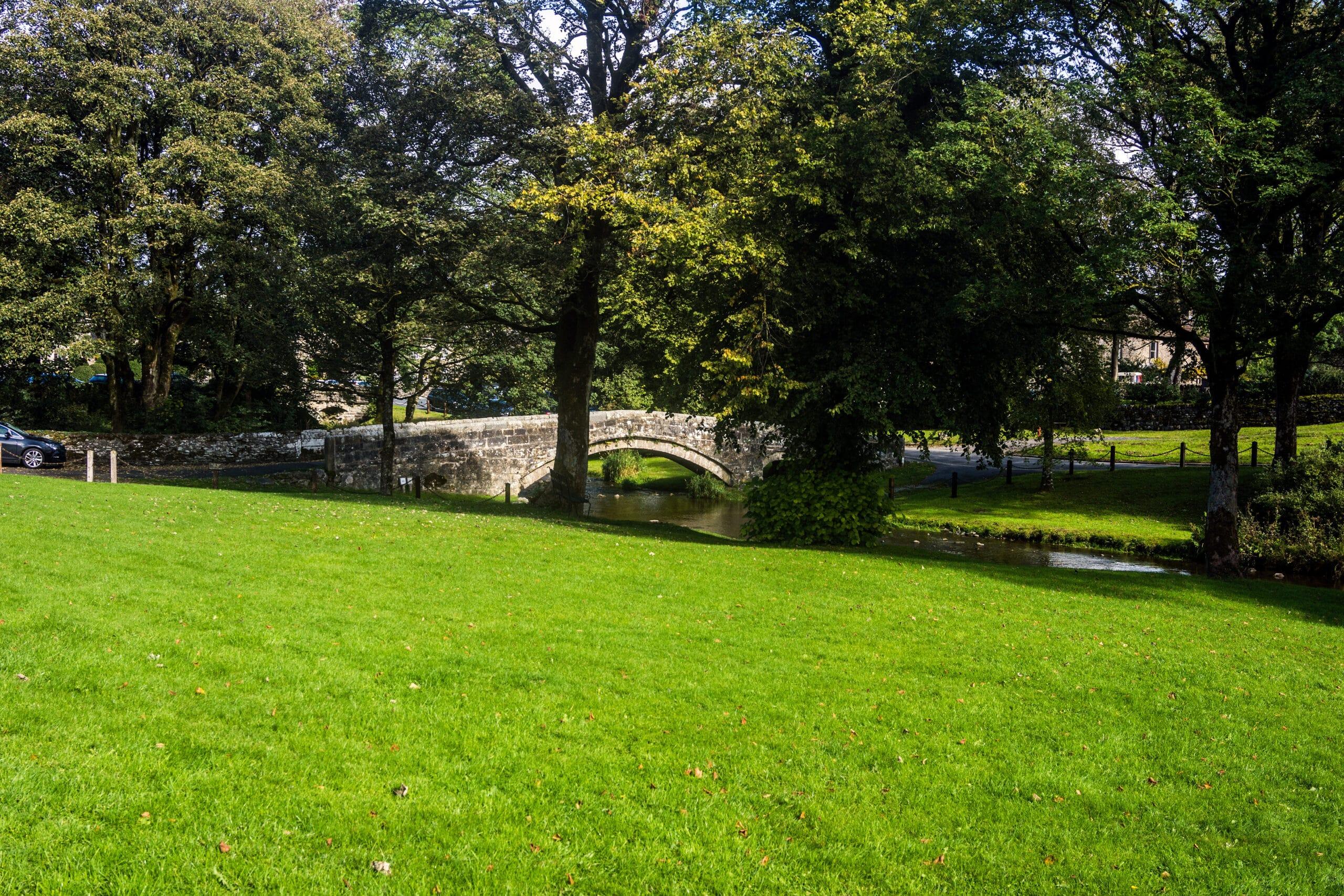
Linton
Quintessential Dales village with a green, stepping stones and a packhorse bridge.