


Action-packed Accrington’s a gem of a trip out by brilliant bus
Accrington Stanley, who are they? The iconic milk ad, for most people (or at least those pre the oat and almond generation) is quite often, the only reference point for this Lancashire town. But Accrington is more than a throwaway line. It’s a spirited, community-driven hidden gem in Lancashire that’s built on history, culture and local pride.

Small but lively, Accrington’s sometimes easy to miss on the map, overpowered by the beautiful Clitheroe and picturesque Hebden Bridge, whilst in the shadows of Burnley and Blackburn – but spend some time here and you’ll understand why Accrington, from its historic mills to buzzing markets and enthralling architecture, refuses to be summed up just by milk and footy! And best of all, it’s just so easy to get here by bus with the brilliant Blazefield bus company running frequent services right into the heart of the town at its bus station. Services run to and from not just Blackburn and Burnley, but also Whalley, Clitheroe, Oswaldthistle, Clayton Le Moors and the jewel in the crown, the stylish X41 service all the way from the heart of Manchester. Single ticket bus fares are only £3 too! To plan your fun-packed journey, check out
https://www.transdevbus.co.uk/the-blackburn-bus-company/services/

Accrington’s dynamic, resilient character stems back to how the town grew. Beginning humbly as a small farming settlement in the medieval period, it became a market town around the 13th century, but rapidly took off in the Industrial Revolution, like much of its Lancashire neighbours. Accrington was famous for textiles, particularly cotton weaving and weaving mills. Many of these old brick mills are still standing, converted into apartments, offices or creative spaces.

Whilst the looms aren’t still running, the architecture adds to the atmospheric, industrial style of Accrington today. Some of these include Broadway Mills and Hyndburn Mill, their red brick façades, tall chimneys and multi-pane windows rich with the town’s backstory. But Accrington’s history isn’t limited to mills. The notoriously strong Accrington “Nori” bricks originated from here and became world-famous, used in Blackpool Tower and the Empire State Building! Factories, mills and rail connections through Accrington transformed this market village into a bustling manufacturing hub.

However, like many Northern towns, in the 20th century, Accrington’s industry declined as textiles moved elsewhere. Nevertheless, the town maintained its community spirit despite economic changes. Accrington Market has been open since 1869 and still operates today, with over 90 stalls and cabins in a Victorian hall – contributing to Accrington being granted Royal Charter status by Queen Victoria in 1878.

Accrington’s community ties were reflected during the First World War with the Accrington Pals, a famous battalion formed from local men who worked in the mills and factories of the town. They fought together at the Battle of the Somme in 1916, but suffered catastrophic losses, tragedies that affected virtually every family in Accrington. Their sacrifice is still remembered today, with an Accrington Pals memorial in St James’ Church, the Accrington Pals Room at Accrington Town Hall (pictured above), plaques and monuments around the town and annual ceremonies held in their honour on Remembrance Sunday.

The well-preserved legacy of the Pals is yet another example of what’s at the heart of Accrington: a community that sticks together, remembers its own and moves forward hand-in-hand.

Accrington’s churches really do reflect its industrial heritage and community spirit – St. James’ Church certainly anchors the town centre with Gothic revival architecture and active parish life. Nearby, Christ Church offers elegant stonework and lively worship gatherings.

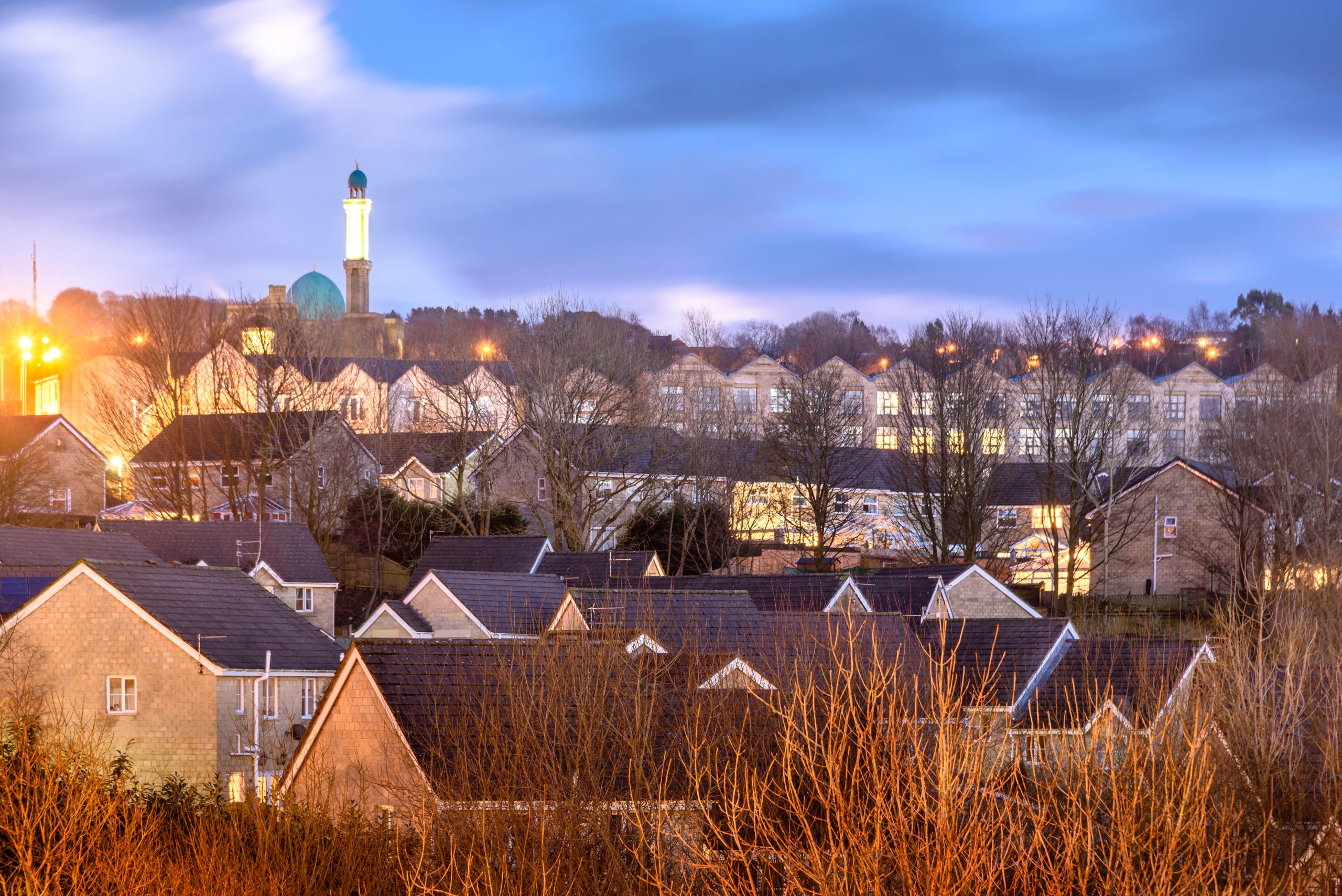
On Blackburn Road, St. Peter’s serves a diverse congregation in a welcoming space. Sacred Heart Roman Catholic Church stands out for its detailed stained glass and traditional liturgy. Accrington is also home to many renowned mosques, including Raza-Jamia Masjid, which plays a vibrant role in the wonderfully cosmopolitan community in this fantastic town and is a 10-minute walk from the bus station. It opened in 2017 but the origins go back as far as 1969, when the first mosque of Accrington was set up in Blackburn Road.
Accrington’s town pride extends, of course, into sport. Most famously – football. Accrington Stanley, a more modern claim to fame than its industrial roots, perhaps, embodies the community spirit and resilience of Accrington. The original club was formed in 1891, but after financial troubles, folded in 1966. Yet this was not the end for the unshakeable pillar of our East Lancashire treasure. Accrington Stanley was reborn in 1968, starting again from the lower leagues but climbing steadily to return to the Football League in 2006. They currently compete in EFL League Two, where there are some big grandees of football such as Notts County, Bristol Rovers, Oldham Athletic as well as relative newcomers, such as Bromley, who are the league’s current pace-setters. It’s well worth an afternoon’s watch, especially with tickets only costing around £25 and just £5 for under 12s. After a shaky start, Stanley have climbed up to a mid-table position, their next game is this Thursday 5 February at 8:01, where they host Salford City, who are in 3rd spot. It promises to be a cracker under the lights!

Accrington’s culture runs deeper, into the creative arts, too. The Haworth Art Gallery, a renowned local gem housed in an elegant Edwardian mansion, is unmissable. Inside, you’ll find the largest collection of Tiffany Glass in Europe, stunning Art-Noveau pieces that were gifted to Accrington by town native and mosaic designer Joseph Briggs. There’s also work showcased by famous local artists, including Edward Haworth himself and painters whose creations reflect the blend of the natural beauty of Northern England and the rich tapestry of Industrial heritage that Accrington still carries. Gerad de Rosé, prominent portrait artist, is one of the celebrity names that surround Accrington, having been born there in 1918, alongside internationally-known, contemporary fine artist Angela Wakefield, born in the Lancashire town in 1978.

When it comes to food and drink, Accrington continues to pleasantly surprise. Starting at Accrington Market, with fresh produce to artisan baked goods, you can move nearby to independent spots like 2Sisters Café and Bistro for a delicious brunch, perfect for refuelling after a morning reconnoitring the town’s deep history. For something more traditional, pop into the charming pub, The Crafty Fox, for classic Lancashire dishes and a pint of local ale, or The Walton Arms for a hearty Sunday roast. The Commercial Hotel is also great, with a vibrant buzz about it and it being a Wetherspoon, you can count on it to serve up quality food at decent prices.

If you’re feeling whimsical, treat yourself to a delicious afternoon tea at The Terrace Tea Rooms, just on the edge of Accrington and a short bus ride away, in Oswaldtwistle. Meanwhile, The Castle pub (pictured above) on the fringes of Accrington town centre is also great, with a fab atmosphere and is particularly popular with visiting football fans on matchdays. It’s a friendly place to stay overnight too with accommodation on offer! For a break from the pubs, there’s always the Vue cinema, which is 5 minutes walk from the bus station, under the famous railway arch.

The heart of ‘Accy’ (as the town is known affectionately by locals!) is eclectic, with classic big brands interspersed with independents and also quirks such as the Abbey Street Shopping Centre with its great range of clothes and fab goods to peruse.

The pedestrianised centre is also a great place to hang out, for the outdoor market stalls by the Town Hall, but also the huge range of shops.

Perhaps one of the best aspects of Accrington is its wonderful location. The adventure does not have to end in this dynamic town – just a short bus ride away are the cobbled streets of Clitheroe, with its picturesque castle and surrounding gardens, the endless expanse of green that is the Pendle District, the magnificent mountain range of The Pennines and the Forest of Bowland, a magical and awe-inspiring protected site.

The countryside around Accrington feels as if it unfolds like a storybook around it, making the town the ideal base for a wilderness retreat. For more hustle and bustle, then a short bus trip to Burnley, where great shops abound and to Blackburn – with its incredible cathedral, ice-rink, statues and much more, is hugely recommended! Have a read of these blogs below for a bit of inspiration…
https://www.greatscenicjourneys.co.uk/booming-and-breathtaking-burnleys-best-by-bus/
https://www.greatscenicjourneys.co.uk/blackburns-bustling-beauty-by-bus/

If not drinking whole milk means playing for Accrington Stanley, perhaps it is worth switching to a plant-alternative (or lemonade, like the little boy says!). But you don’t need to be part of the football team to experience the rambunctious charm that is this East Lancashire darling.
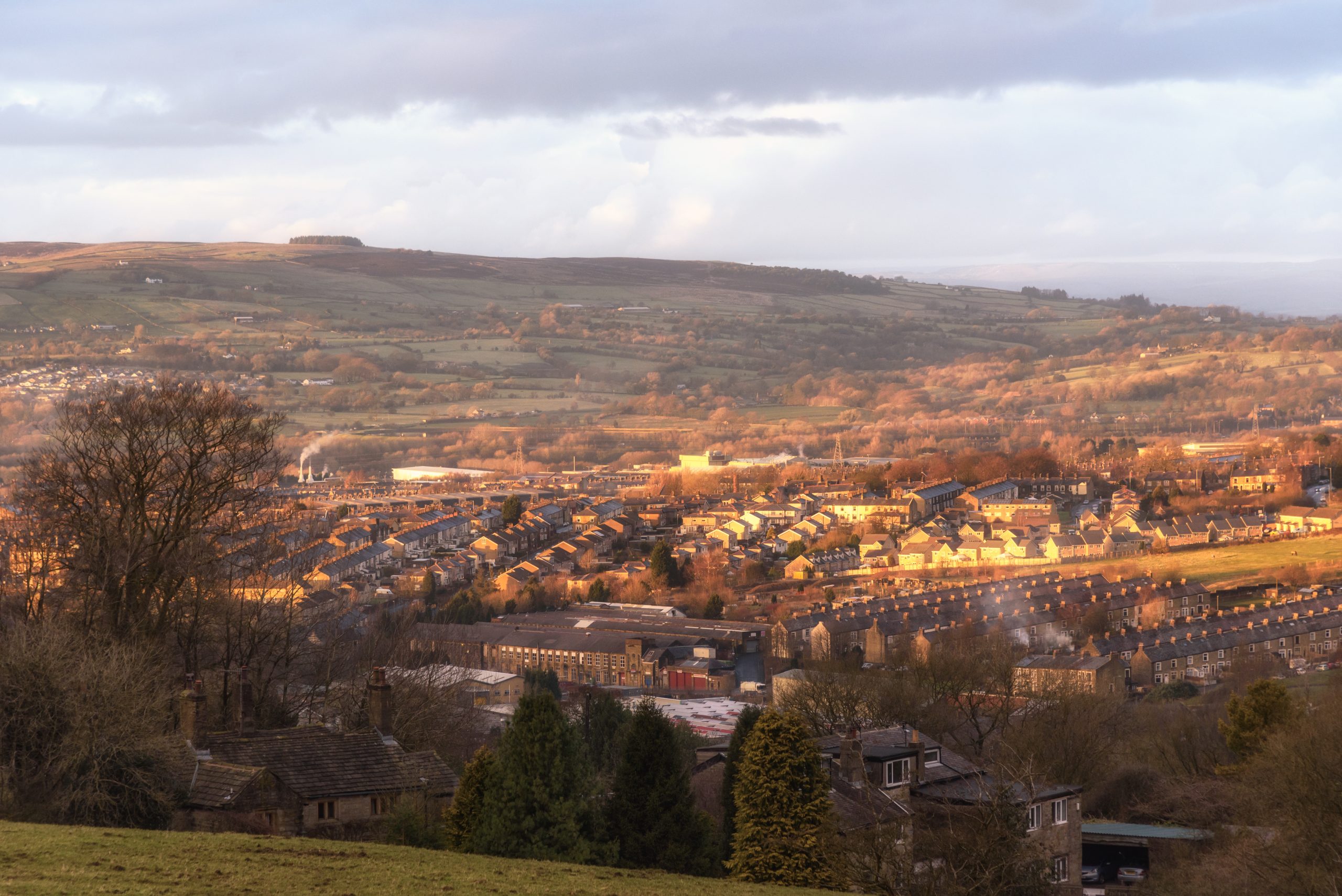
Accrington’s streets are waiting to be explored, from its vibrant Victorian market to the red-brick mills and glittering Tiffany glass at the Haworth Art Gallery. You could catch a Stanley match, sip a pint in a cosy pub or traverse to the rolling hills of the North of England around you. Perhaps the slogan should be: Accrington Stanley, who aren’t they? This surprisingly dynamic town truly has it all and it’s so easy to get here by bus! Exactly…

Related posts
 12 Jan
Lapping it up in lovely Largs!
Lovely Largs is where two magnificent bus routes in the Great Scenic Journeys collection come together. The 585 from Ayr…
 21 Oct
Tonbridge treat with Nu-Venture!
Tonbridge, located in the heart of Kent, is a town steeped in history and brimming with things to see and…
 9 Oct
9 Oct
Pulsating Preston, a fab Lancashire hotpot on the Hotline 152
Preston, a city in the heart of Lancashire, often flies under the radar when it comes to British destinations, but…