
Whitebirk Gateway Entrance Sculpture, Blackburn
LancashireMajor LandmarksArt Galleries
Key info
 Category
Major Landmarks
Lancashire
About this attraction
About Whitebirk Gateway Entrance Sculpture, Blackburn
The Whitebirk Gateway Entrance sculpture in Blackburn is a striking piece of public art that marks the edge between the town’s urban core and its more rural surroundings. Designed by Eaton Waygood Associates, the artwork combines the rough-hewn natural textures of dry stone walling with sleek, modern steel to evoke a sense of boundary and transition. A rugged stone wall forms a backdrop, its surface punctuated by a polished steel sphere that seems to draw the eye onward toward the town centre. Behind the stone, ivy climbs, softening the structure and blurring the border between the built environment and nature, reminding viewers of the landscape beyond.
The installation doesn’t just aim to impress visually; it has symbolic weight. It represents the gateway between the rural Lancashire countryside and the industrial‑townscape of Blackburn, signalling arrival and identity. Set on a traffic island near Junction 6 of the M65, the sculpture captures both function and form, standing as a landmark for drivers entering the town, as well as a quiet statement of landscape and place
Location
Find Whitebirk Gateway Entrance Sculpture, Blackburn on the map
Getting here
Scenic routes that pass nearby
Hop on any of these for a scenic ride to Whitebirk Gateway Entrance Sculpture, Blackburn.
- BUSDuration1 hour, 13 minutesFrequencyEvery 20 minutesNearest stopGloucester Road · 8 min walk
- BUSDuration59 minutesFrequencyEvery 2 hours
- BUSDuration1 hour, 12 minutesFrequencyHourlyNearest stopBlackburn Town Centre Bus Station · 35 min walk
- BUSDuration1 hour 27 minutesFrequencyHourlyNearest stopGloucester Road · 8 min walk
- BUSDuration40 minutesFrequencyHourly
More to see in Lancashire
Other attractions nearby
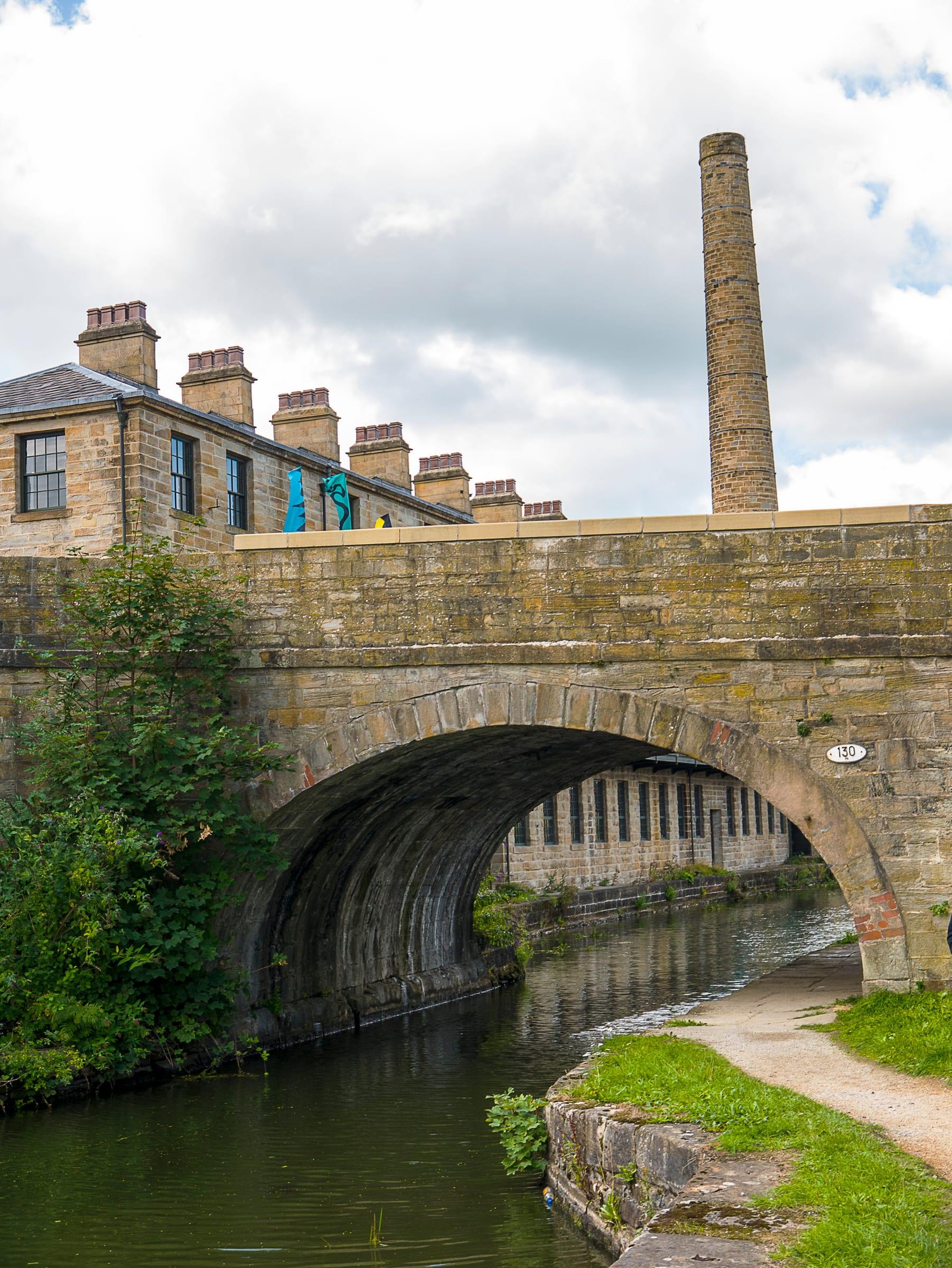
Weavers' Triangle, Burnley
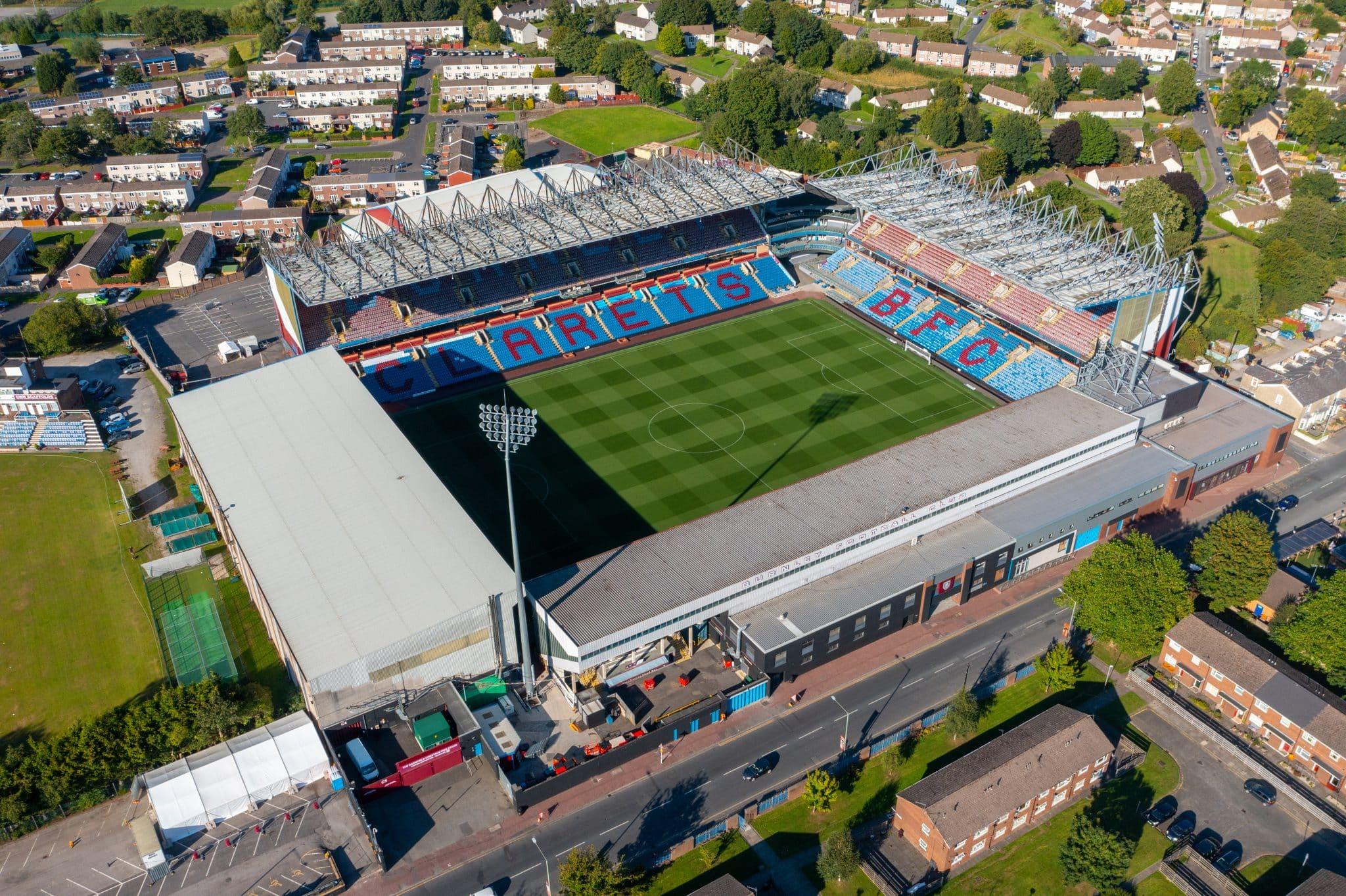
Turf Moor
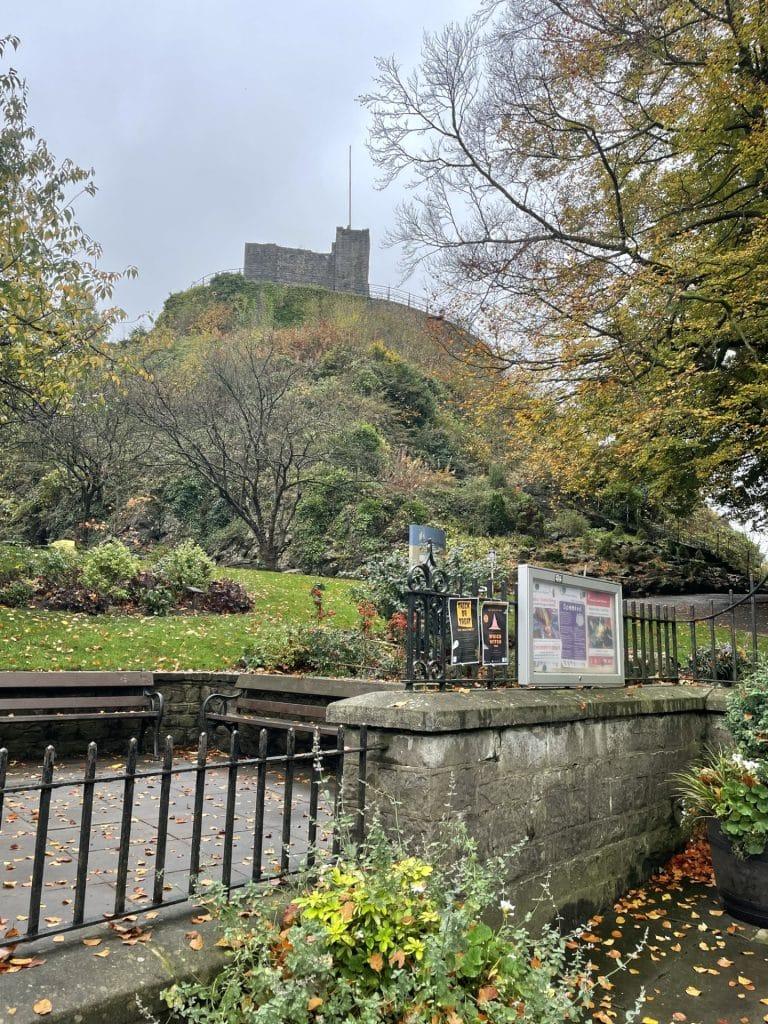
Castle Grounds, Clitheroe
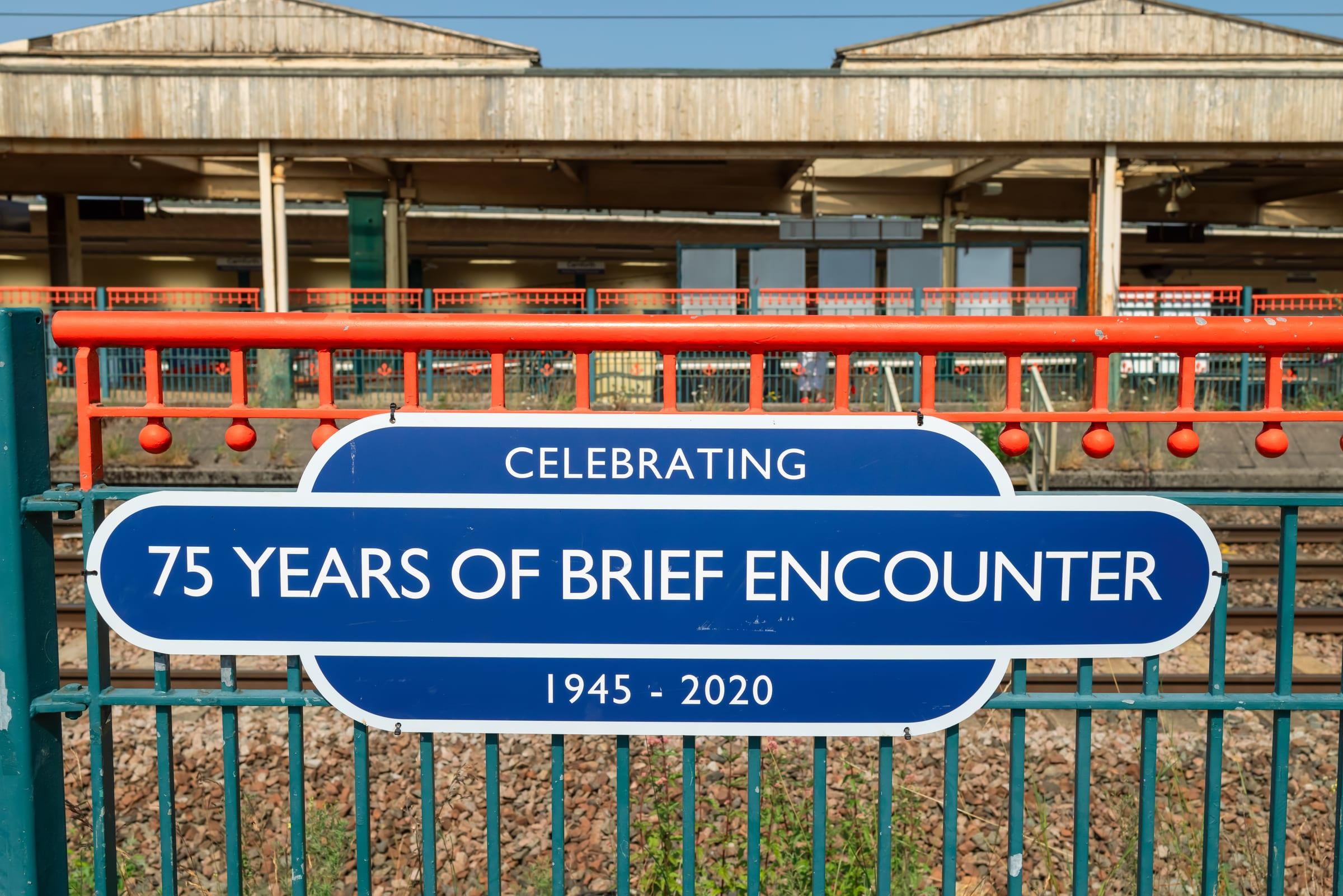
Steamtown Carnforth
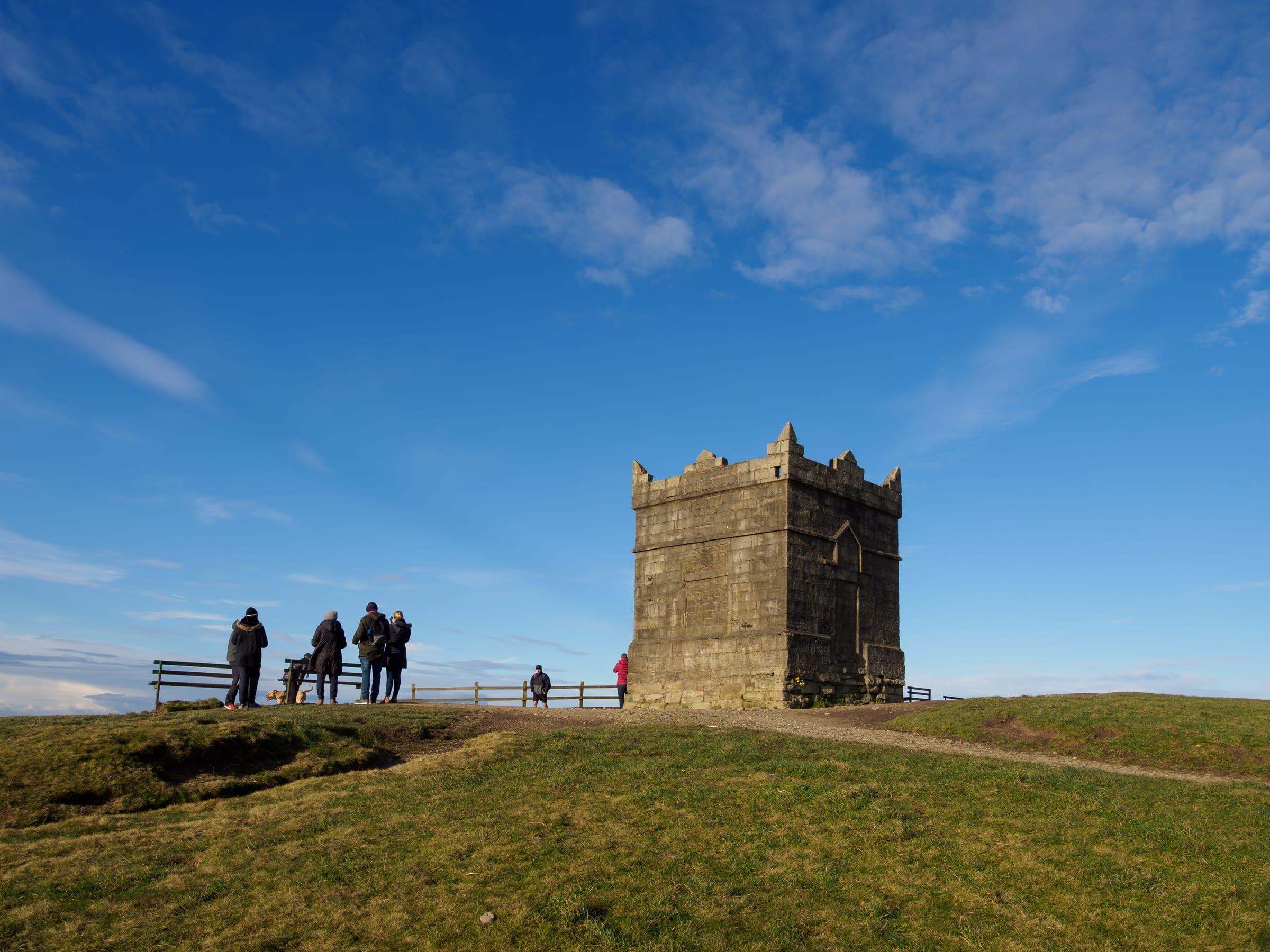
Winter Hill, Belmont
Turf Moor, Burnley
Home of Burnley Football Club since 1883.
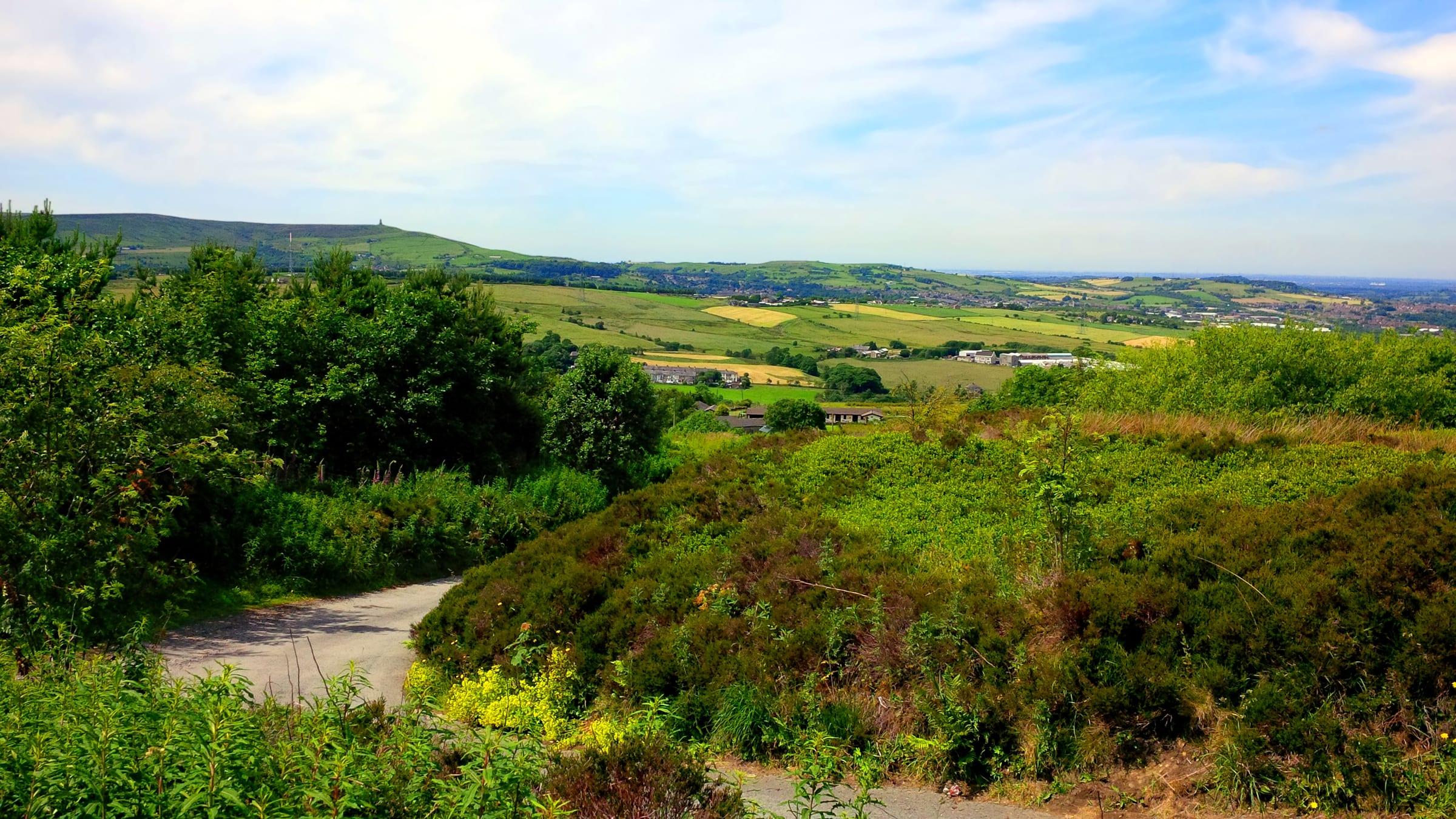
West Pennine Moors
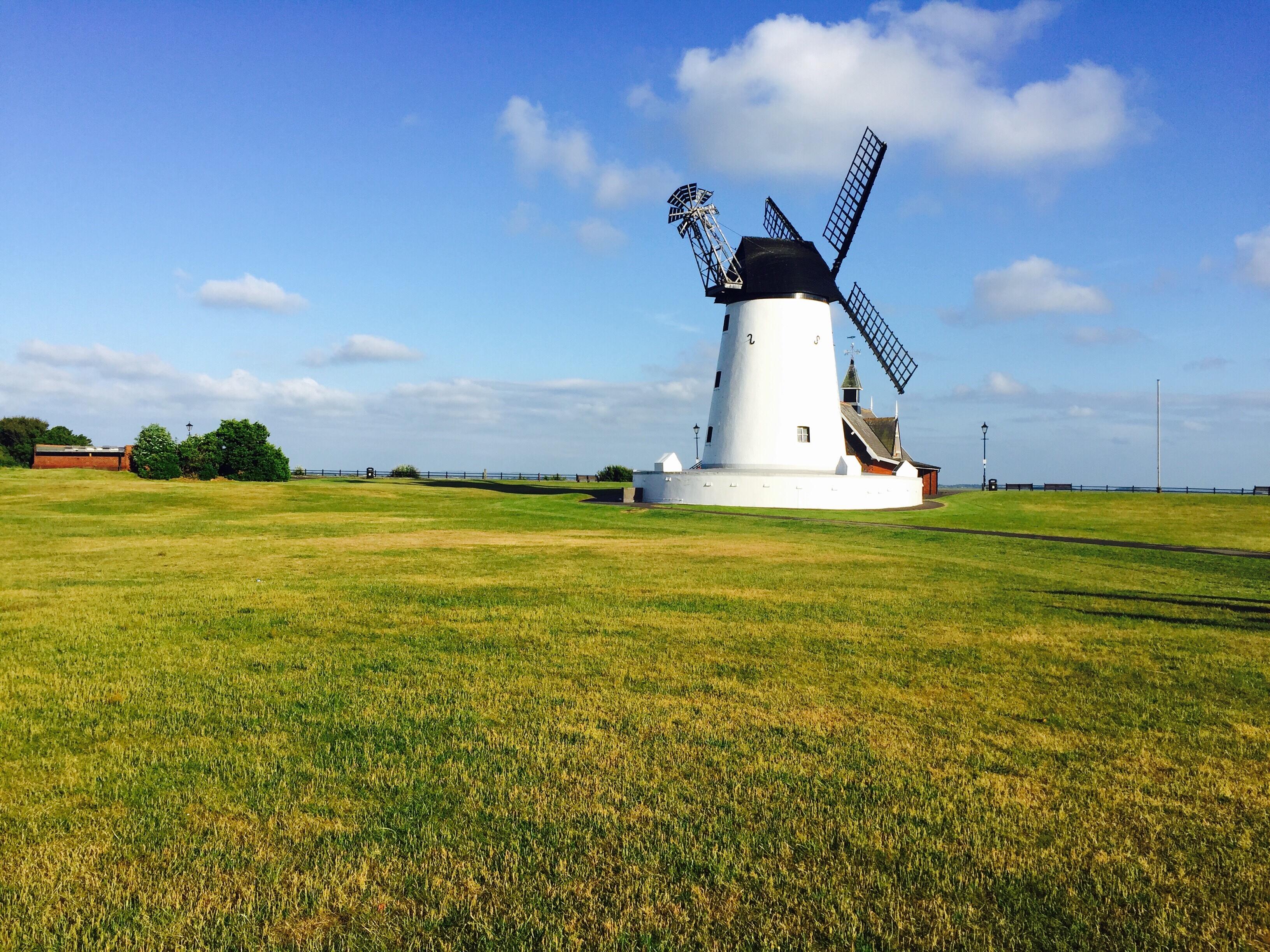
Lytham Green
A historic open green space in the centre of Lytham, traditionally used for recreation, events and leisure.