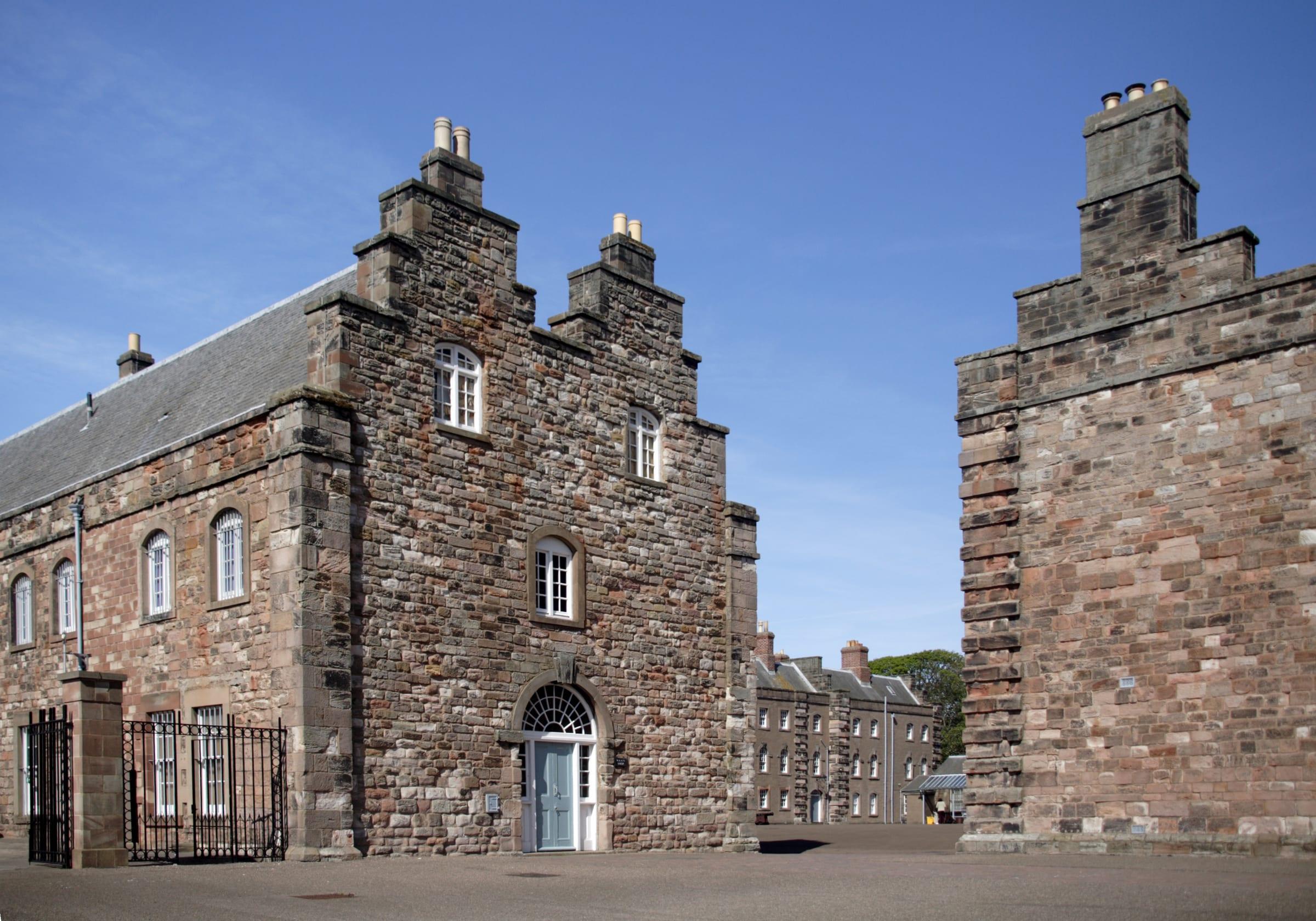
Blanchland Village
NorthumberlandCountrysideHistory & Heritage
Key info
 Category
Countryside
Northumberland
About this attraction
About Blanchland Village
Blanchland is a small stone-built village tucked into the wooded valley of the River Derwent, straddling the border between Northumberland and County Durham within the North Pennines National Landscape. The layout you see today, an L-shaped square framed by honey-coloured cottages, is essentially that of the medieval Premonstratensian abbey founded here in 1165, with domestic buildings later converted into houses when the estate was rebuilt for lead-mining families in the 18th century.
The village passed to Nathaniel, Lord Crewe, Bishop of Durham, in 1699, and the Lord Crewe Trustees still own much of it today, which has helped preserve its unusual coherence. Visitors will find the abbey church of St Mary the Virgin, the Lord Crewe Arms inn, a small post office and tea room, and the medieval gatehouse arch through which the road enters the village.
Blanchland is a natural starting point for walks along the Derwent, up to Blanchland Moor, or across into the neighbouring hamlets. The 773 bus from Consett drops passengers at the village square, and there is little traffic beyond, making it a quiet base for exploring one of the most complete surviving monastic village plans in England.
Location
Find Blanchland Village on the map
Getting here
Scenic route that passes nearby
Hop on any of these for a scenic ride to Blanchland Village.
More to see in Northumberland
Other attractions nearby
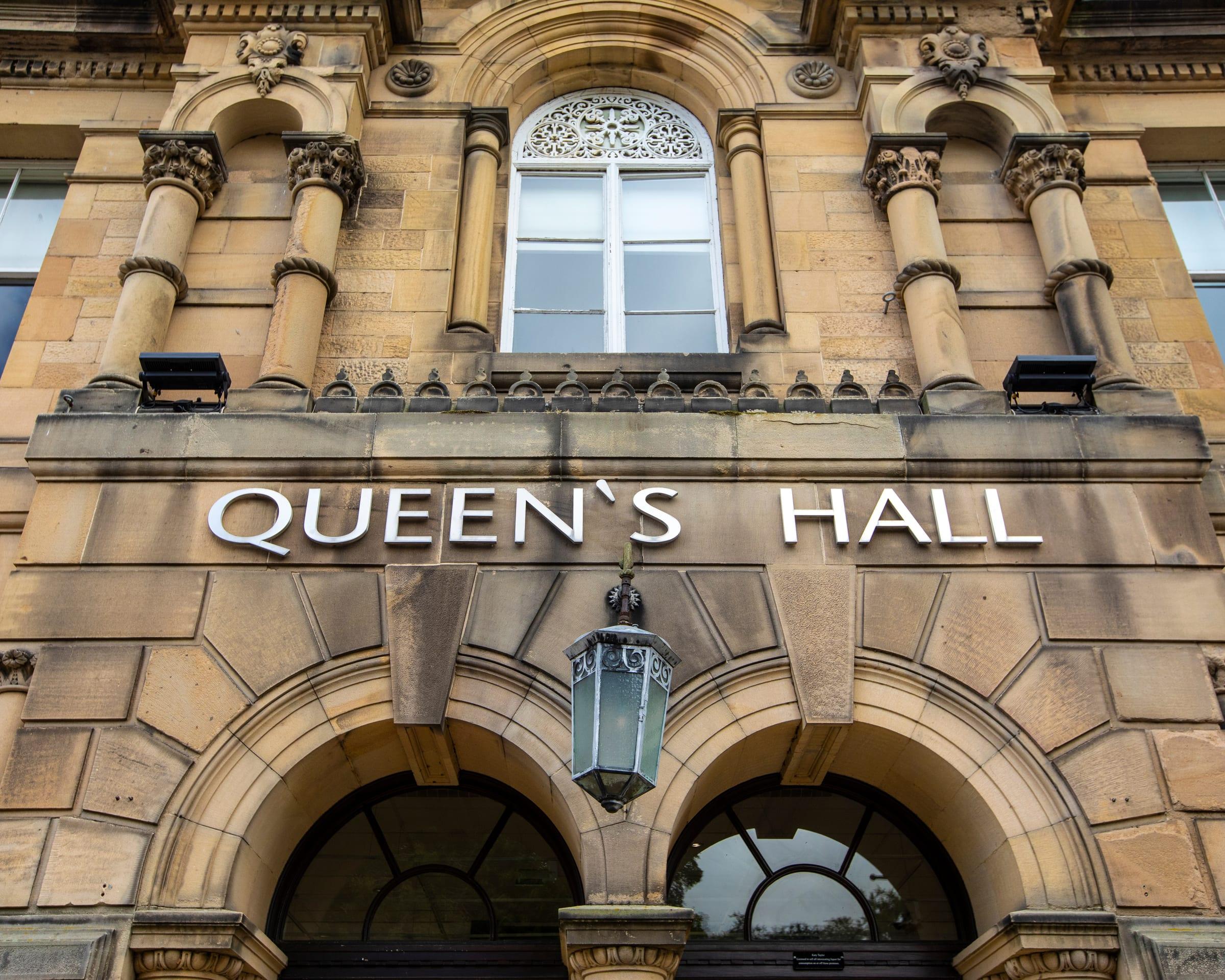
Hexham Forum (Queen's Hall Arts Centre)
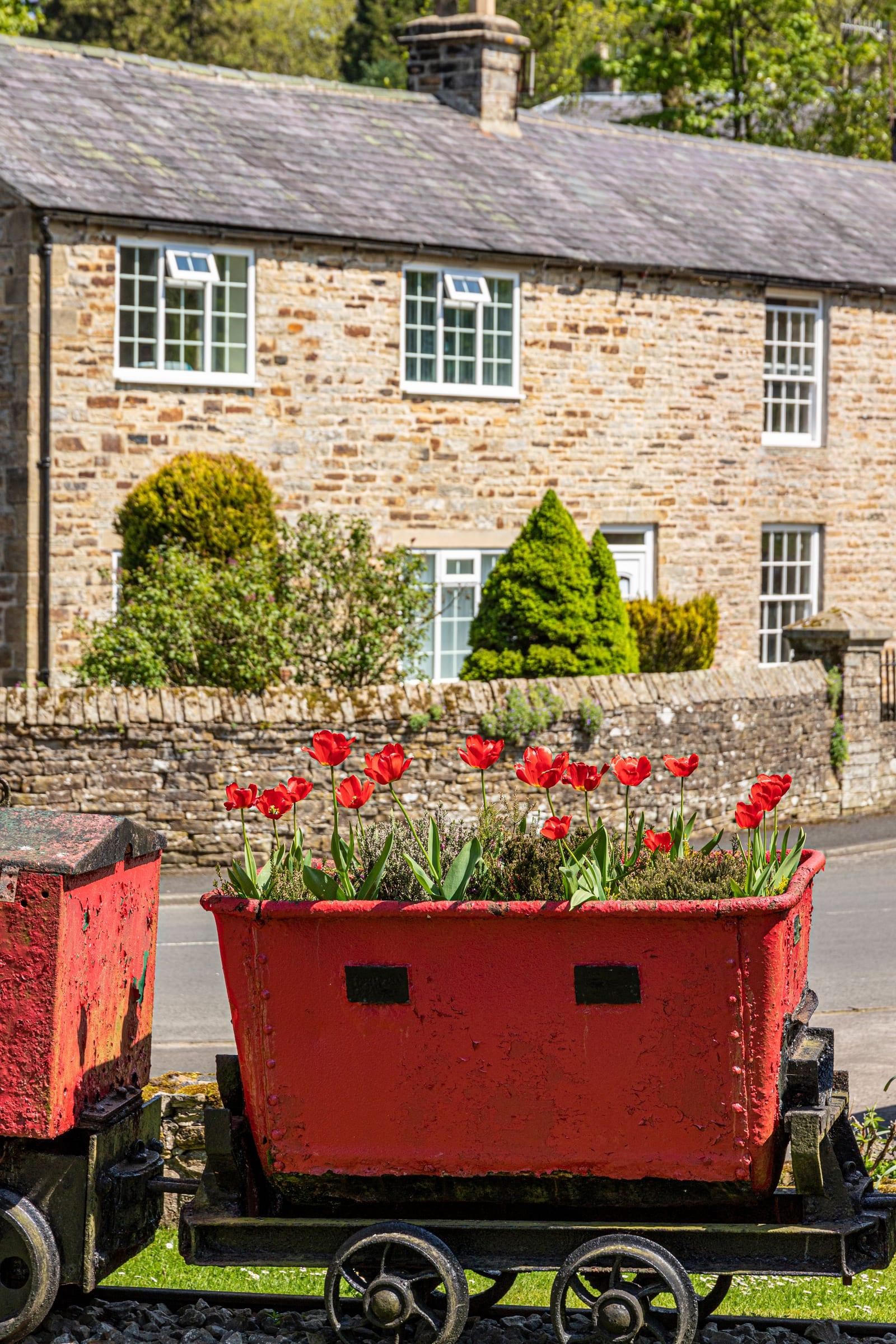
Allenheads Heritage Centre
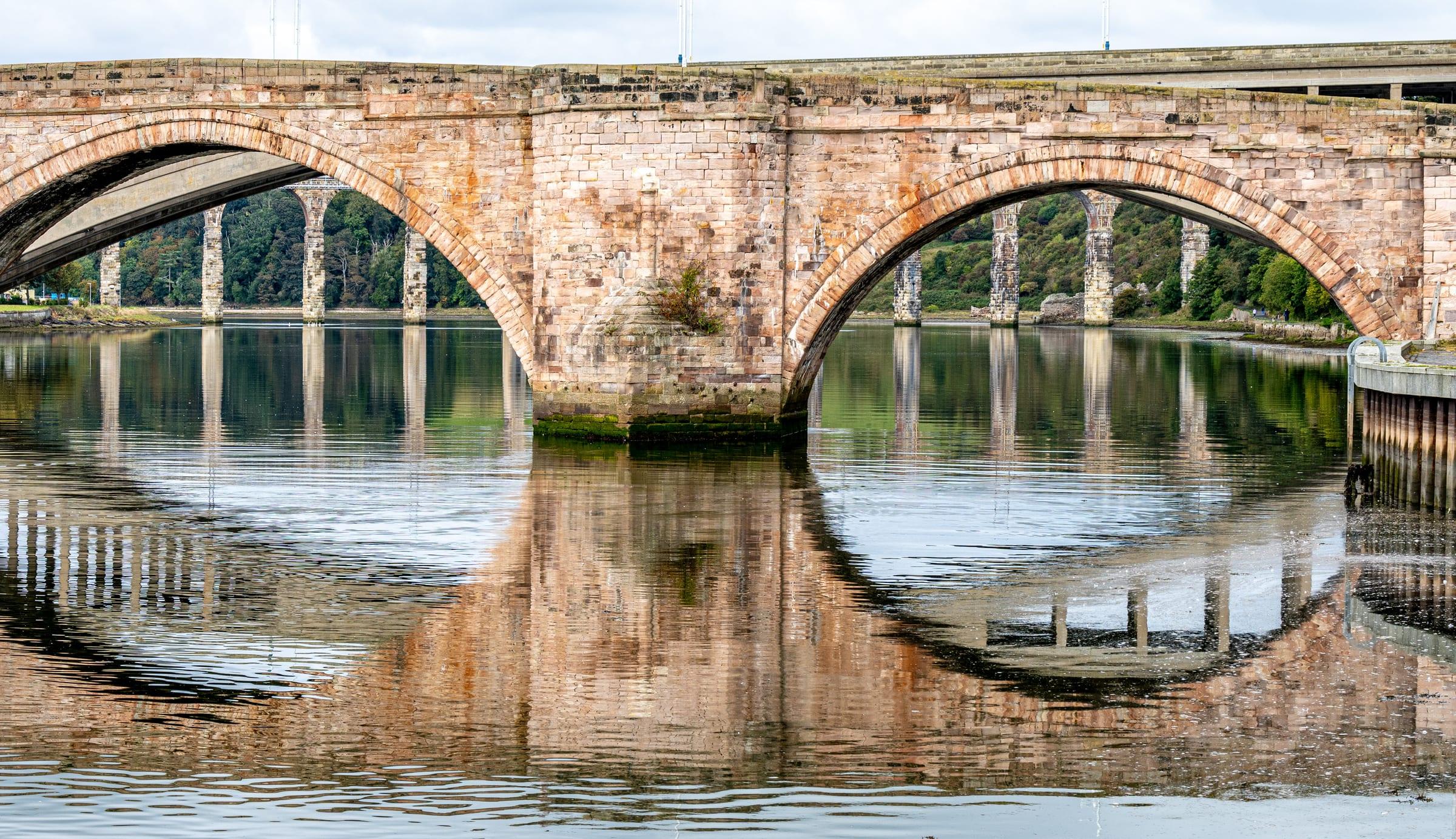
Berwick-upon-Tweed Old Bridge
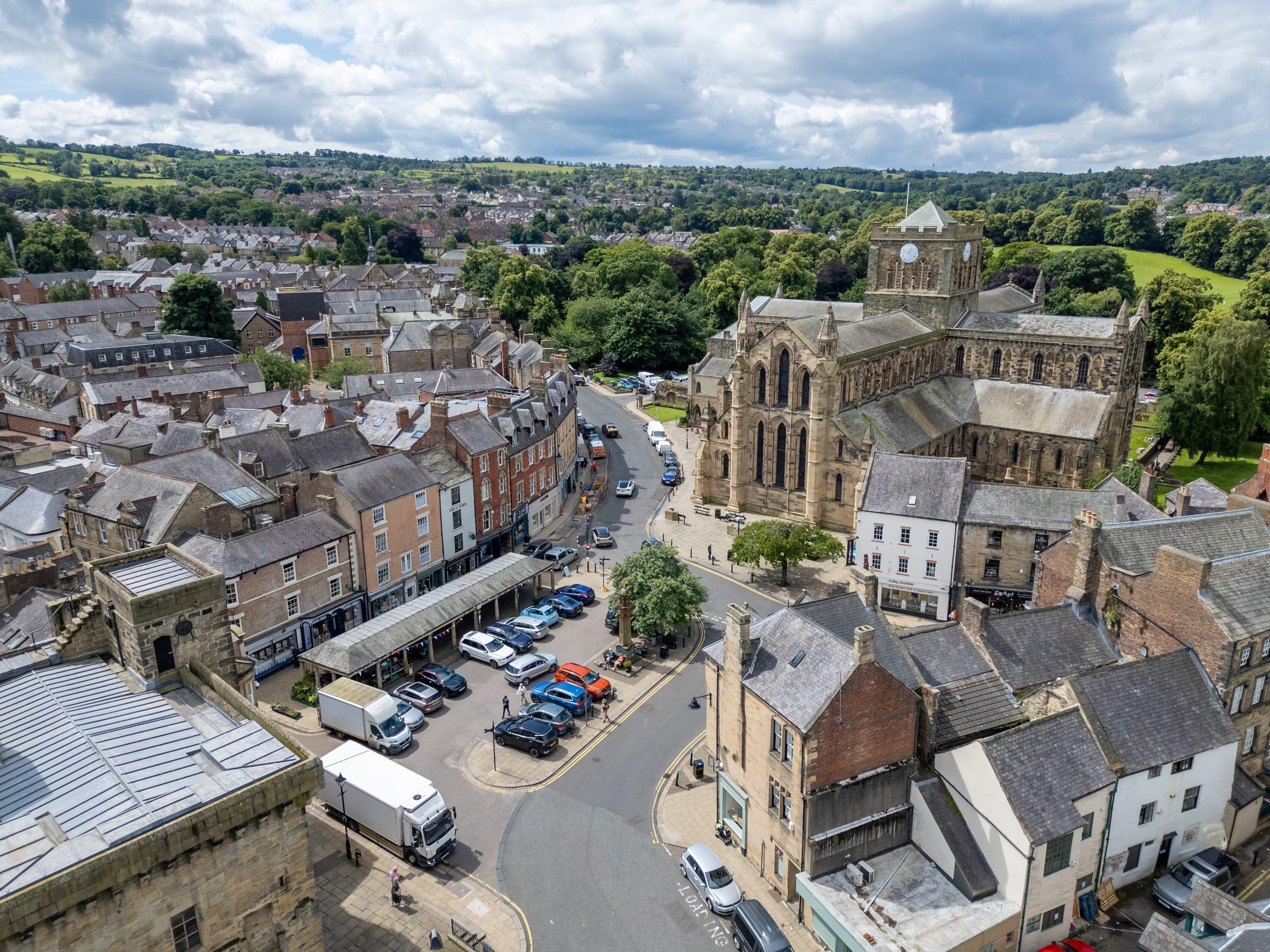
Hexham Market Place
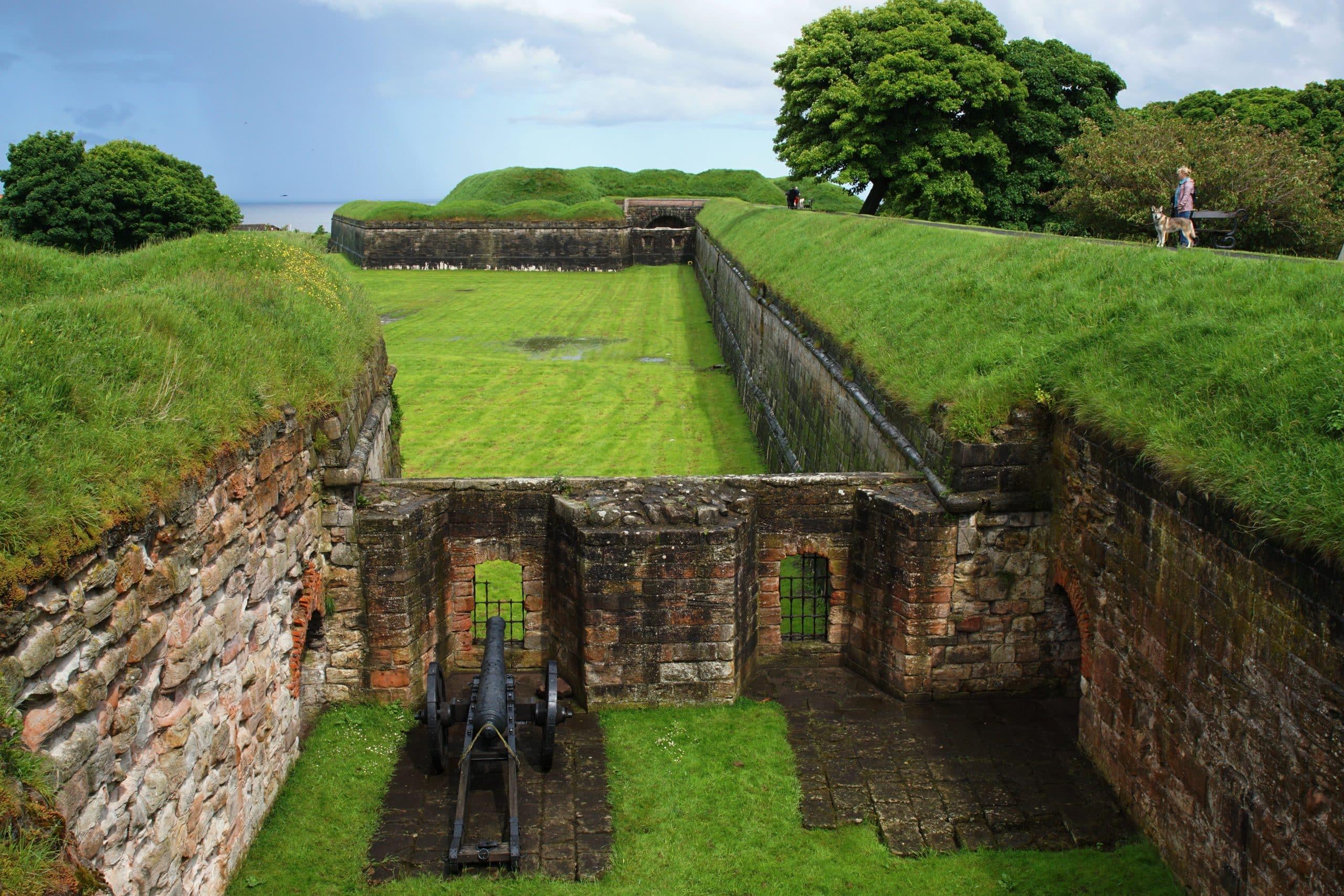
Berwick-upon-Tweed Town Walls and Ramparts
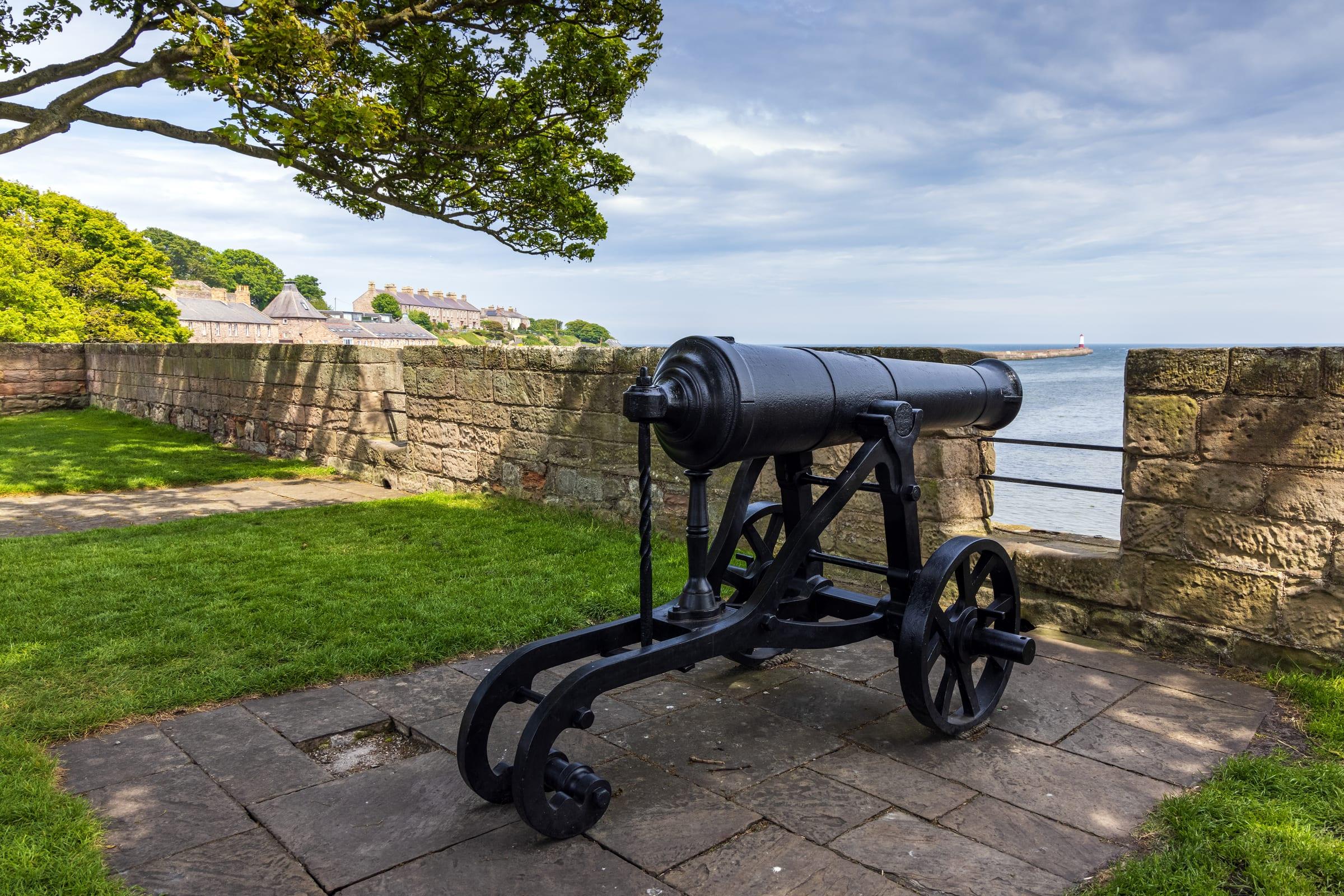
Berwick Castle

Berwick Museum and Art Gallery