- Ireland
- 2 hours, 49 minutes · Bus
Expressway Route 100X Dublin – Dundalk
Dublin · Drogheda · Dundalk
 City & Culture
 Food and drink
 History & Heritage
Key info
About this journey
This route combines Dublin's historic landmarks and literary tradition with Dundalk's heritage and scenery, as the bus passes through picturesque small villages surrounded by rolling hills and farmland.
Journey overview
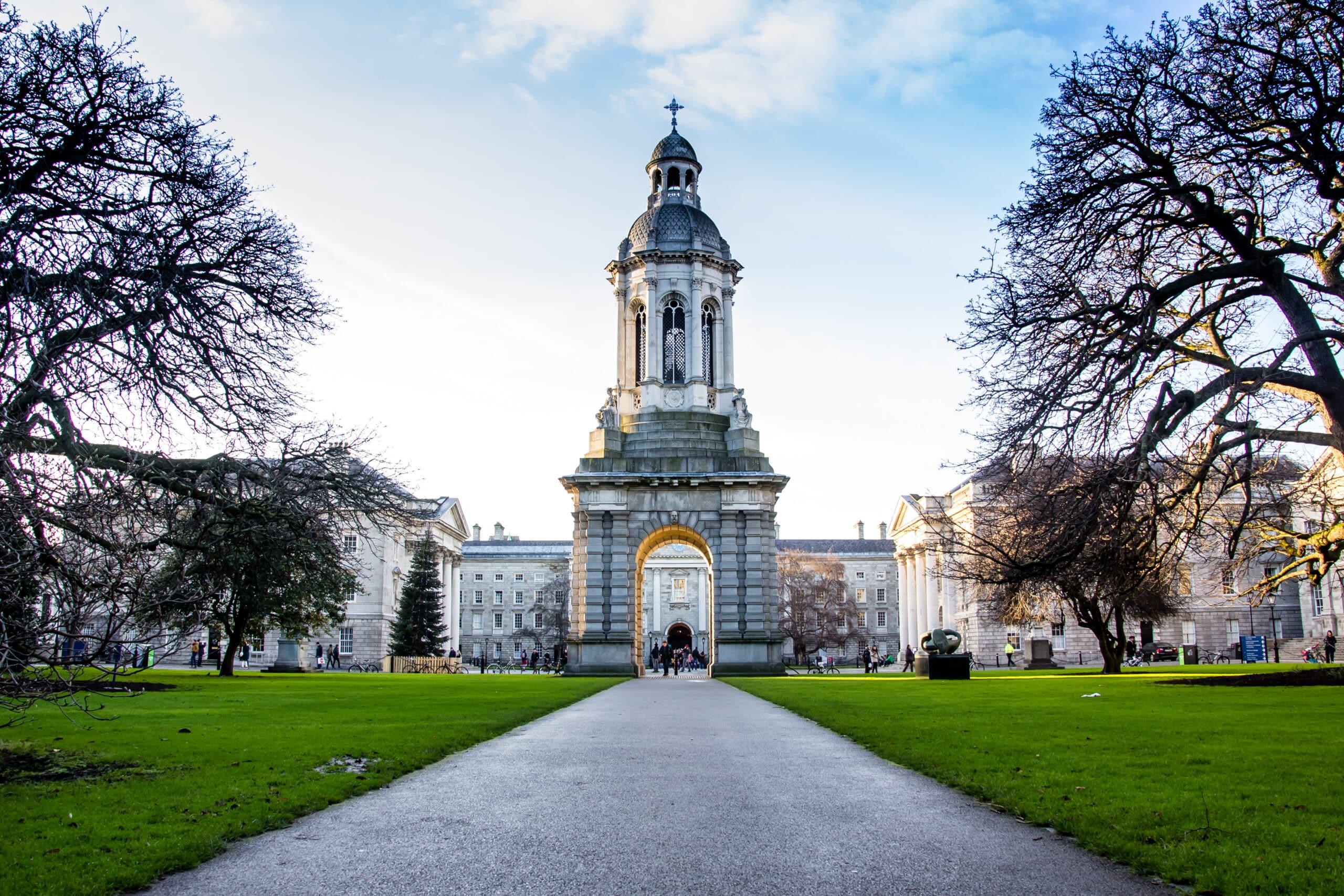
This is a fab route that combines the capital city of Ireland, Dublin, with its historic landmarks, such as Trinity College, the Guinness Storehouse, and St. Patrick's Cathedral, vibrant literary tradition, having produced great writers such as James Joyce, W.B. Yeats, and Samuel Beckett, with the lovely town of Dundalk and its splendid heritage and scenery.
As the coach leaves the city, saying 'goodbye' to its lively pub scene, beautiful pastel-coloured townhouses and Georgian architecture, it heads alongside the River Liffey, with glimpses of the historic Custom House and the modernity of the financial district.
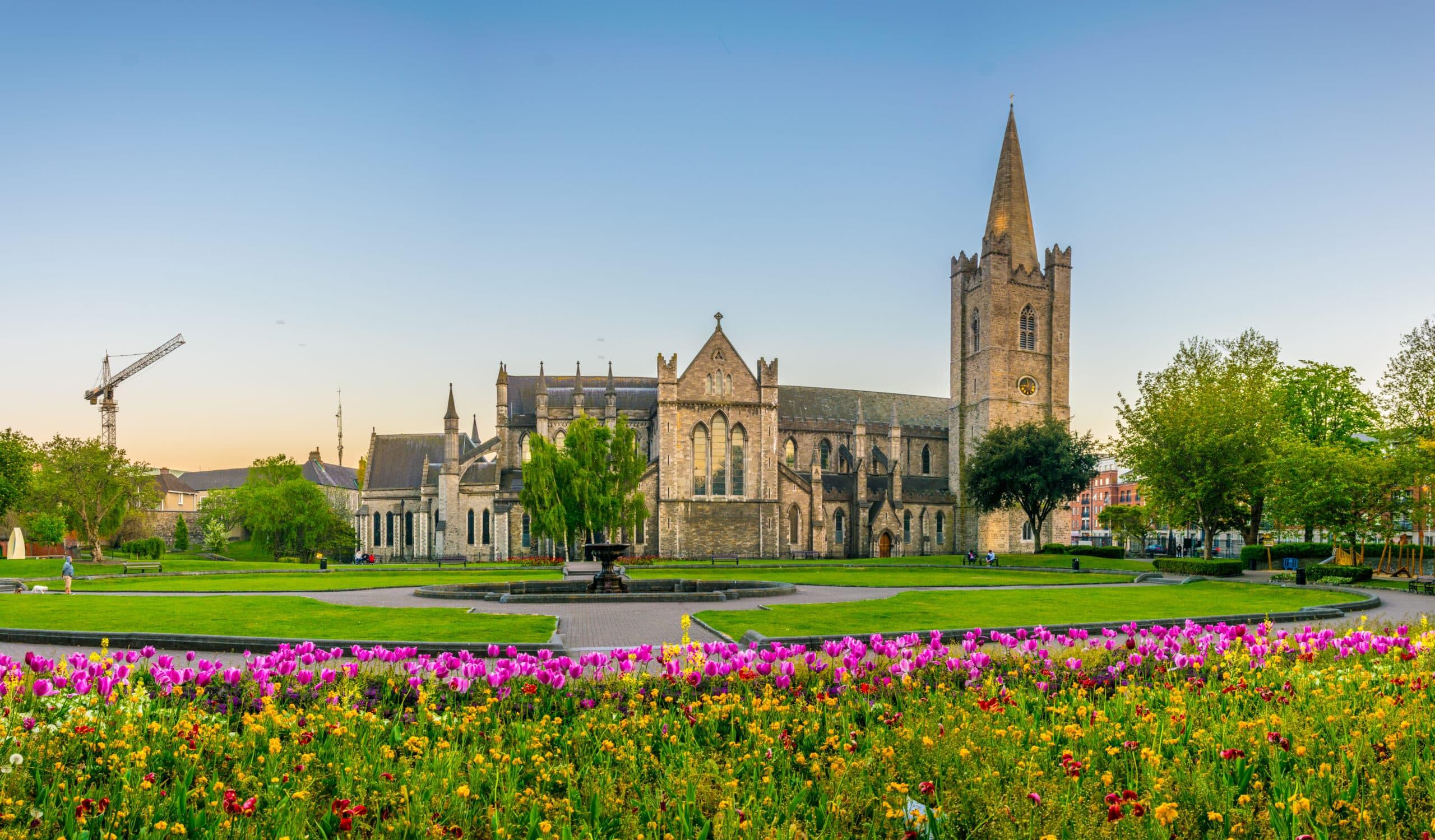
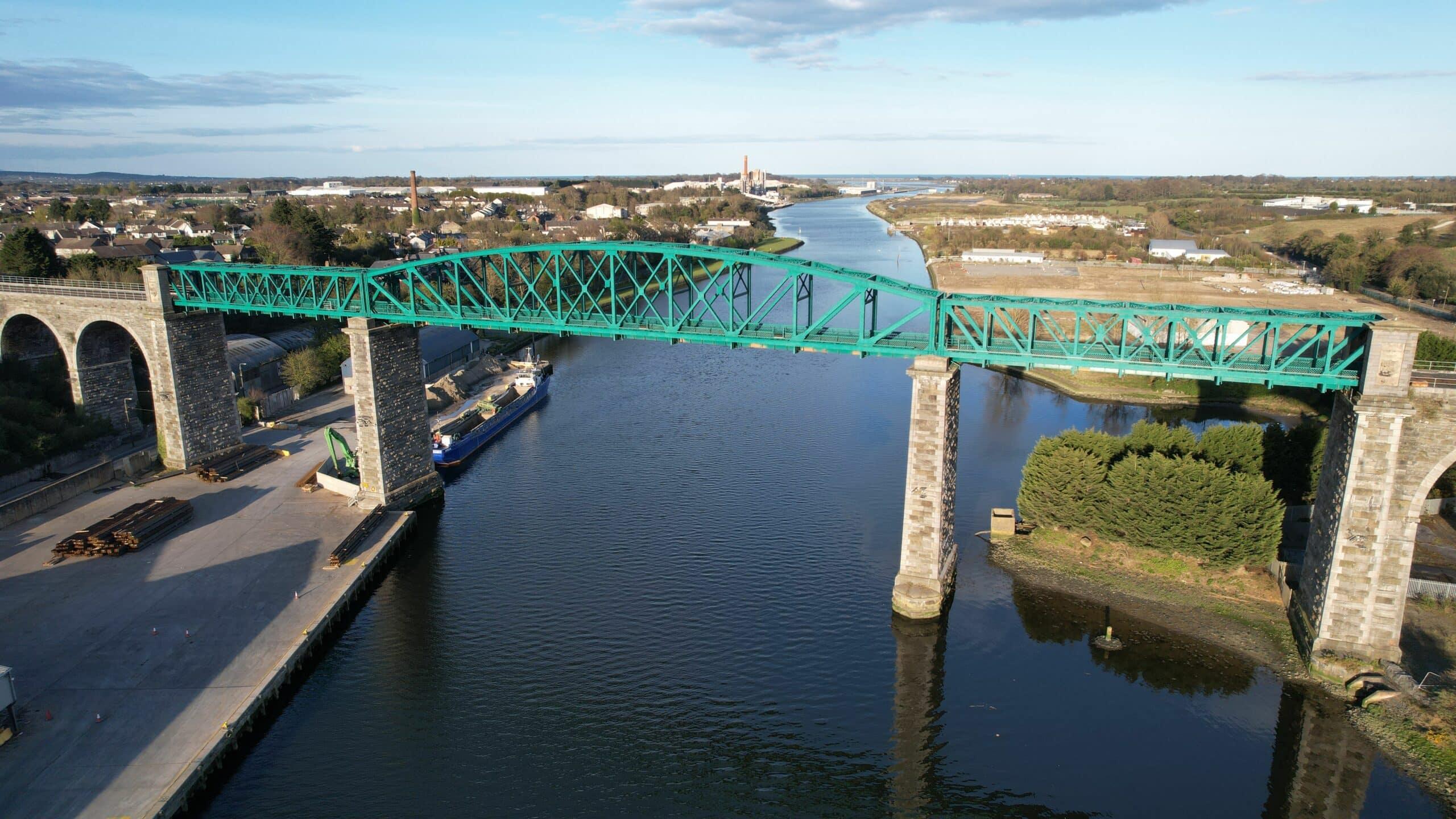
The coach continues on its journey, stopping at Drogheda, known for its rich history, including a visit by St. Oliver Plunkett in the 17th century. As you travel through the town, customers are treated to a mix of old and new buildings, including St. Peter's Church and the Boyne Viaduct.
After Drogheda, the coach passes through Dunleer and Castle Bellingham, both small villages surrounded by rolling hills and farmland. This is a particularly pleasant part of the journey, with fields of green dotted with sheep and cattle, and the occasional farmhouse or cottage set back from the road.
Finally, the coach arrives in Dundalk, a bustling market town with a rich cultural heritage with landmarks such as the magnificent St. Patrick's Church, the Market Square, and the historic courthouse.
Fab day out
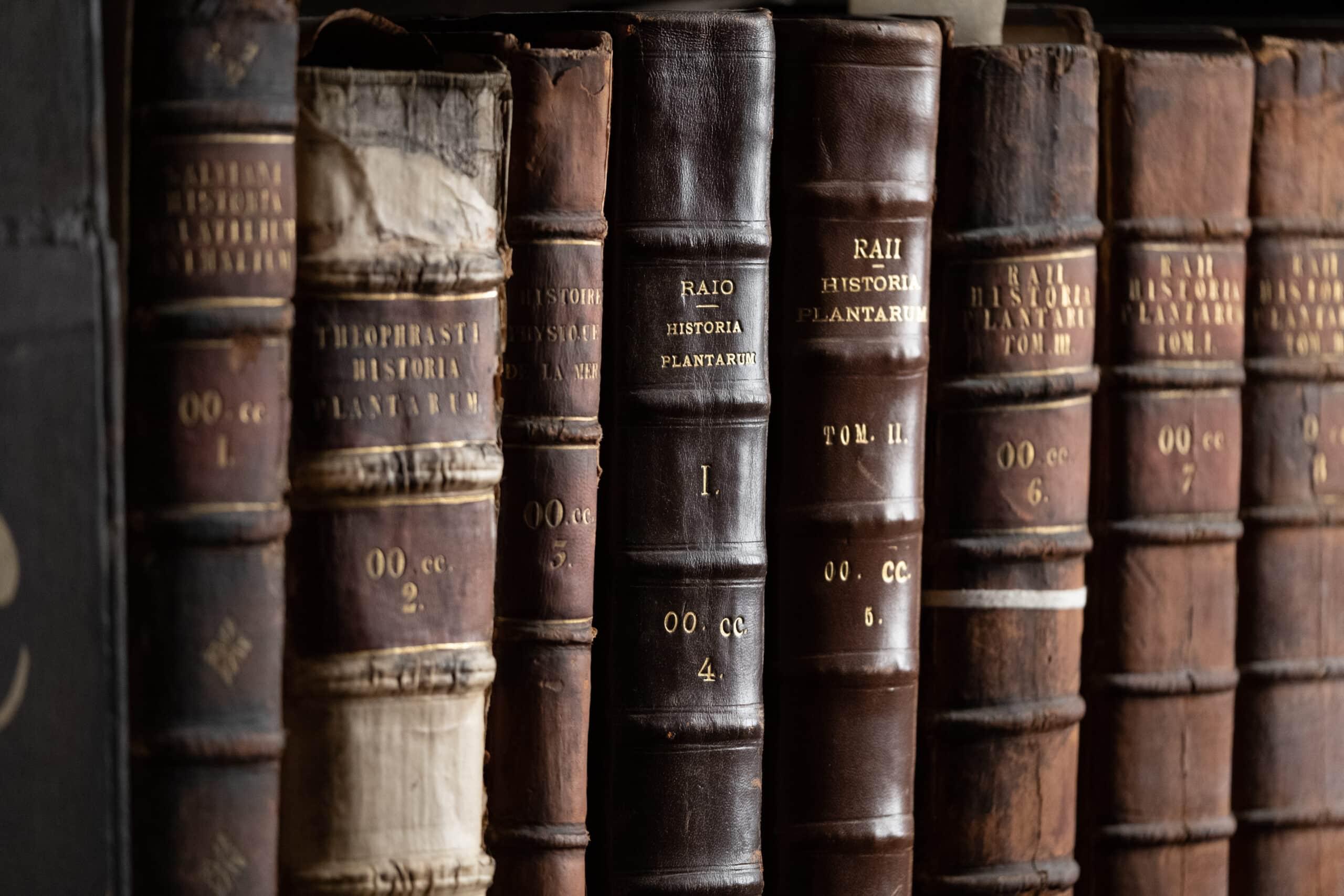
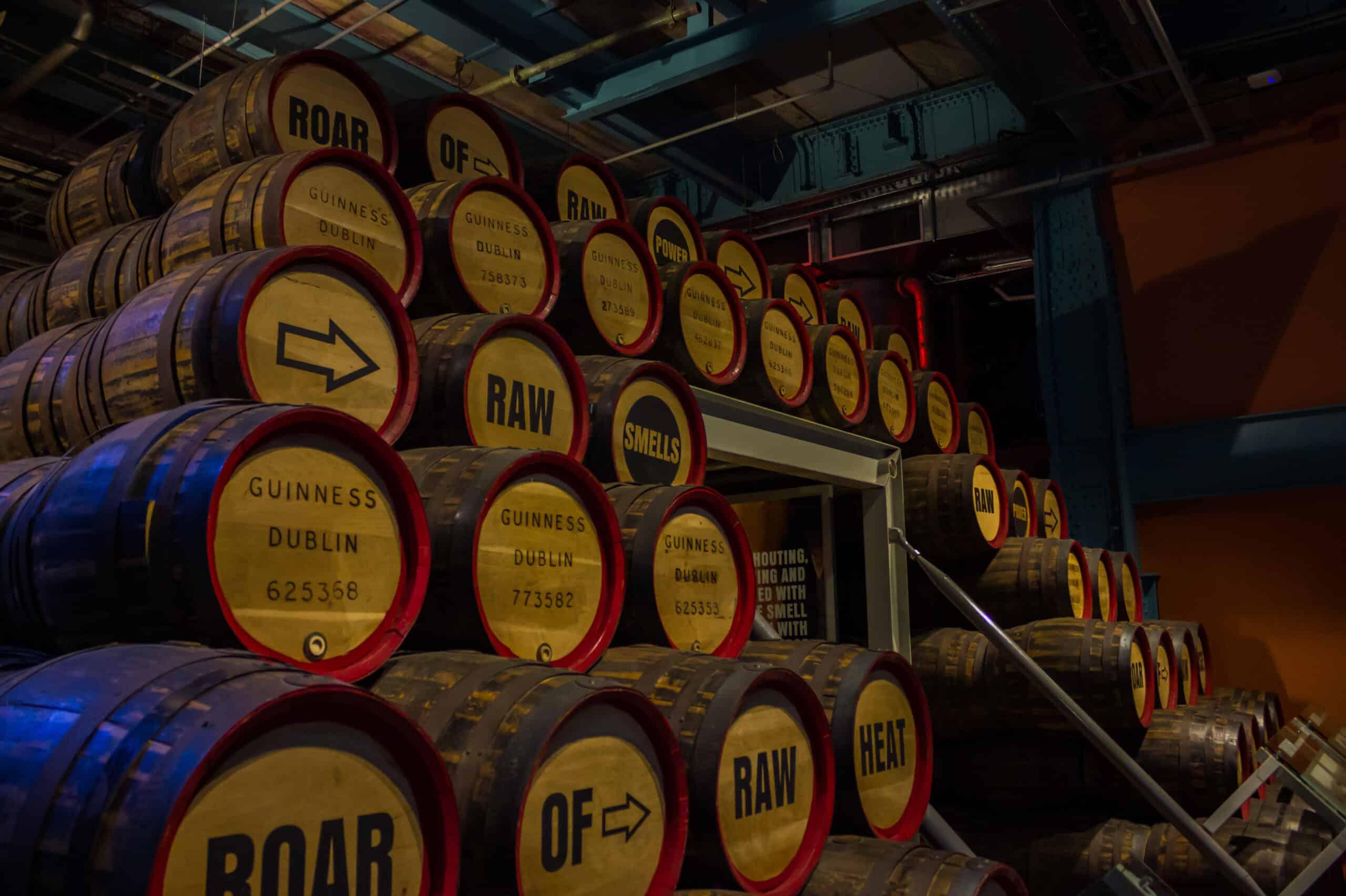
Starting in Dublin, you can visit Trinity College, one of the oldest universities in Ireland, and see the famous Book of Kells, a beautifully illuminated manuscript from the 9th century. Another must-see attraction in Dublin is the Guinness Storehouse, where you can learn about the history of Ireland's most famous beer and enjoy a pint in the Gravity Bar, which offers panoramic views of the city.
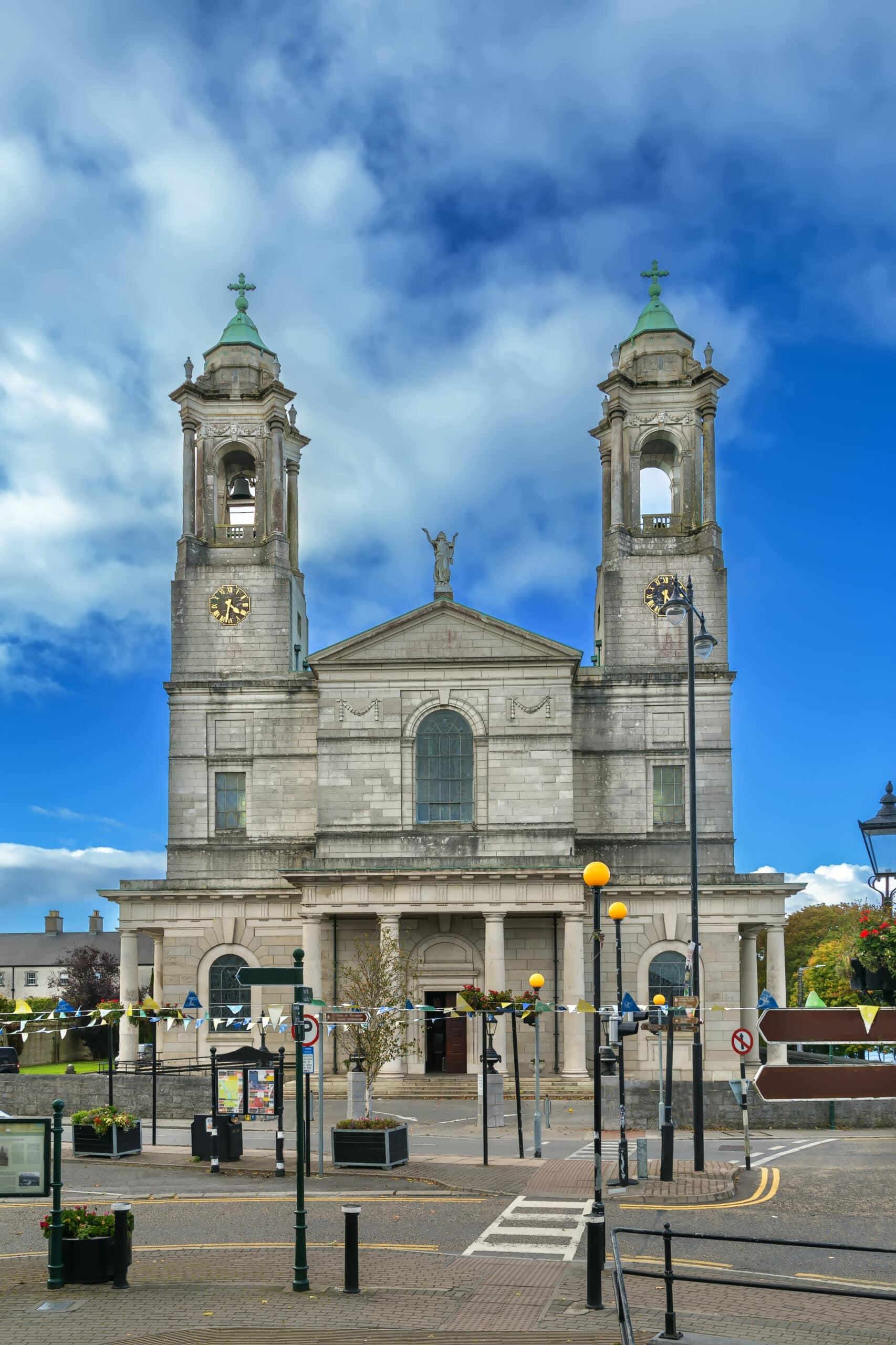
Onto the coach and the first recommended stop-off is at Drogheda, to visit St. Peter's Church, a historic place of worship that dates back to the 12th century, and the Boyne Viaduct, a magnificent bridge that spans the River Boyne. Then it’s back on-board to Dundalk, and a visit to St. Patrick's Church, a beautiful place of worship that dates back to the 13th century, and the Market Square, which is a lively hub of activity and a great place to sample some of the local food and drink.
Plan your route
Plan your route to this Great Scenic Journey
The map below shows where this journey begins.
Stops & experiences
Places to visit & things to do on this journey
5 attractions the route passes, handpicked. Hover a card for a quick description.
- City & Culture
 Family Friendly
- History & Heritage
 Museums
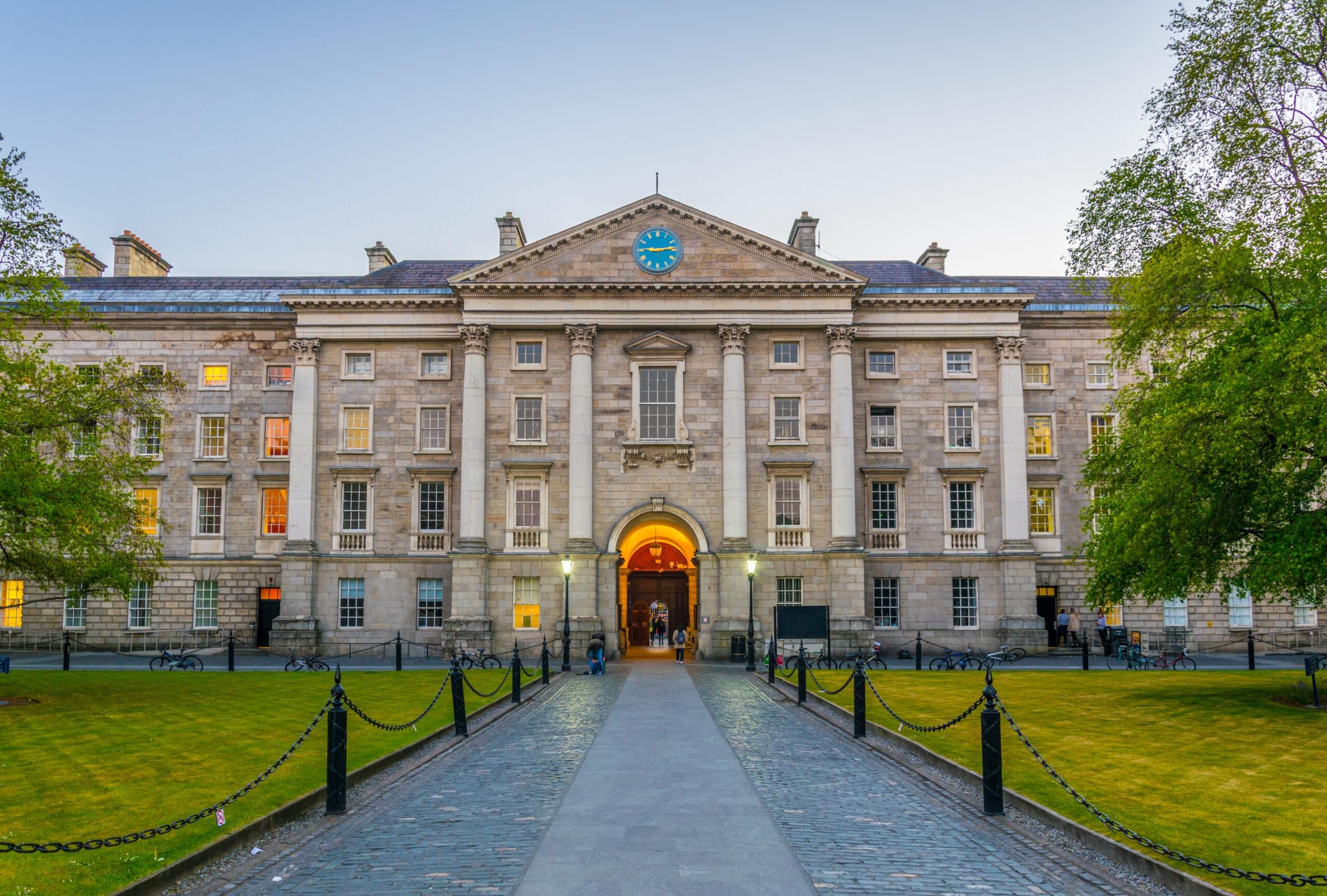
Trinity College
Trinity College, founded in 1592, is a historic Dublin institution celebrated for its illustrious alumni, architectural elegance, and the iconic Book of Kells'][\'7\;6
- City & Culture
- History & Heritage
- Museums
 Art Galleries
Book of Kells
The Book of Kells is one of the world's most celebrated illuminated manuscripts and the star attraction of the Old Library at Trinity College Dublin. Created by Columban monks…
- City & Culture
- Food and drink
Gravity bar
The Gravity Bar is the showpiece finale of the Guinness Storehouse tour in Dublin, a circular glass-walled room perched on top of the seven-storey visitor attraction at St James's…
 Heritage Railways
- History & Heritage
 Major Landmarks
Boyne Viaduct
The Boyne Viaduct is a magnificent railway bridge that strides across the River Boyne at Drogheda in County Louth, carrying the Dublin to Belfast main line high above the estuary…
- City & Culture
- History & Heritage
St. Patrick's Church
St. Patrick's Church stands on the Hill of Slane in County Meath, a site of immense significance in Irish Christian tradition. According to legend, it was here in 433 AD that…
You might also like
- City & Culture
 Countryside
- History & Heritage
Expressway Route 13/14 Limerick – Tralee/Killarney
- City & Culture
 Coastal
- Countryside
Expressway Route 2 Dublin – Wexford
- City & Culture
- Countryside
- History & Heritage
Expressway Route 22 Dublin – Ballina
- City & Culture
- Coastal
- Countryside
Expressway Route 23 Dublin – Sligo
- City & Culture
- Countryside
- History & Heritage
Expressway Route 30/X32 Dublin – Donegal
- City & Culture
- Countryside
- History & Heritage
Expressway Route 32 Dublin – Letterkenny
- Coastal
- Countryside
- History & Heritage
Expressway Route 4 Dublin – Waterford
- City & Culture
- Coastal
- Countryside
Expressway Route 40 Rosslare to Tralee
- City & Culture
- Countryside
- Family Friendly
Expressway Route 51 Galway – Cork
- City & Culture
- Coastal
- Countryside
Expressway Route 52 Ballina – Galway
- City & Culture
- Coastal
- Countryside
Expressway Route 55 Limerick – Waterford
- City & Culture
- Coastal
- History & Heritage
Expressway Route 64 Galway – Derry