
Super St Albans stuns with so much to see by splendid Uno Bus!
Roman ruins, a mighty medieval cathedral, England's oldest pub (allegedly!) and a cracking market, all reached car-free on the wonderful Uno Bus. St Albans is a scenic thrill-seeker's dream, so hop aboard and let Hertfordshire's hidden gem…
Some places whisper their charms and some places belt them out like a brass band on a bank holiday. Super St Albans is firmly in the second camp, a Hertfordshire honeypot where Roman ruins, a soaring medieval cathedral, cobbled lanes, riverside meadows and a proper old-fashioned market all sit shoulder to shoulder within an easy stroll. And best of all, you can leave the car firmly on the drive, because the terrific Uno Bus network makes reaching this ravishing cathedral city a real treat, with friendly drivers, big windows and views that unspool like a Hertfordshire highlights reel.
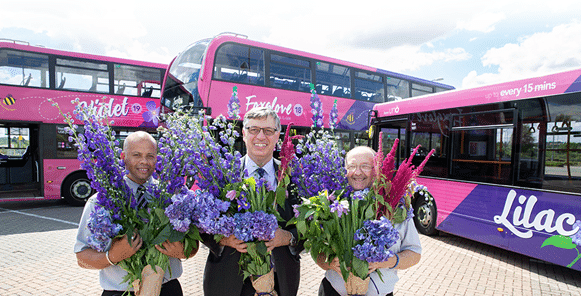
Uno is that rather lovely thing, a bus company with proper local roots. Born out of the University of Hertfordshire, its bright, easy-to-spot buses stitch together St Albans, Hatfield, Welwyn Garden City, Hertford and beyond, and its routes into St Albans are the ideal way to arrive in style. The 601, 602, 653 and 658 all funnel into the city, and rolling in past leafy Hertfordshire lanes, university buildings, mock-Tudor suburbs and neatly clipped commons feels like the perfect prologue to the day ahead. To plan your adventure, timetables and fares, pop over to https://www.unobus.info/ and get scheming.
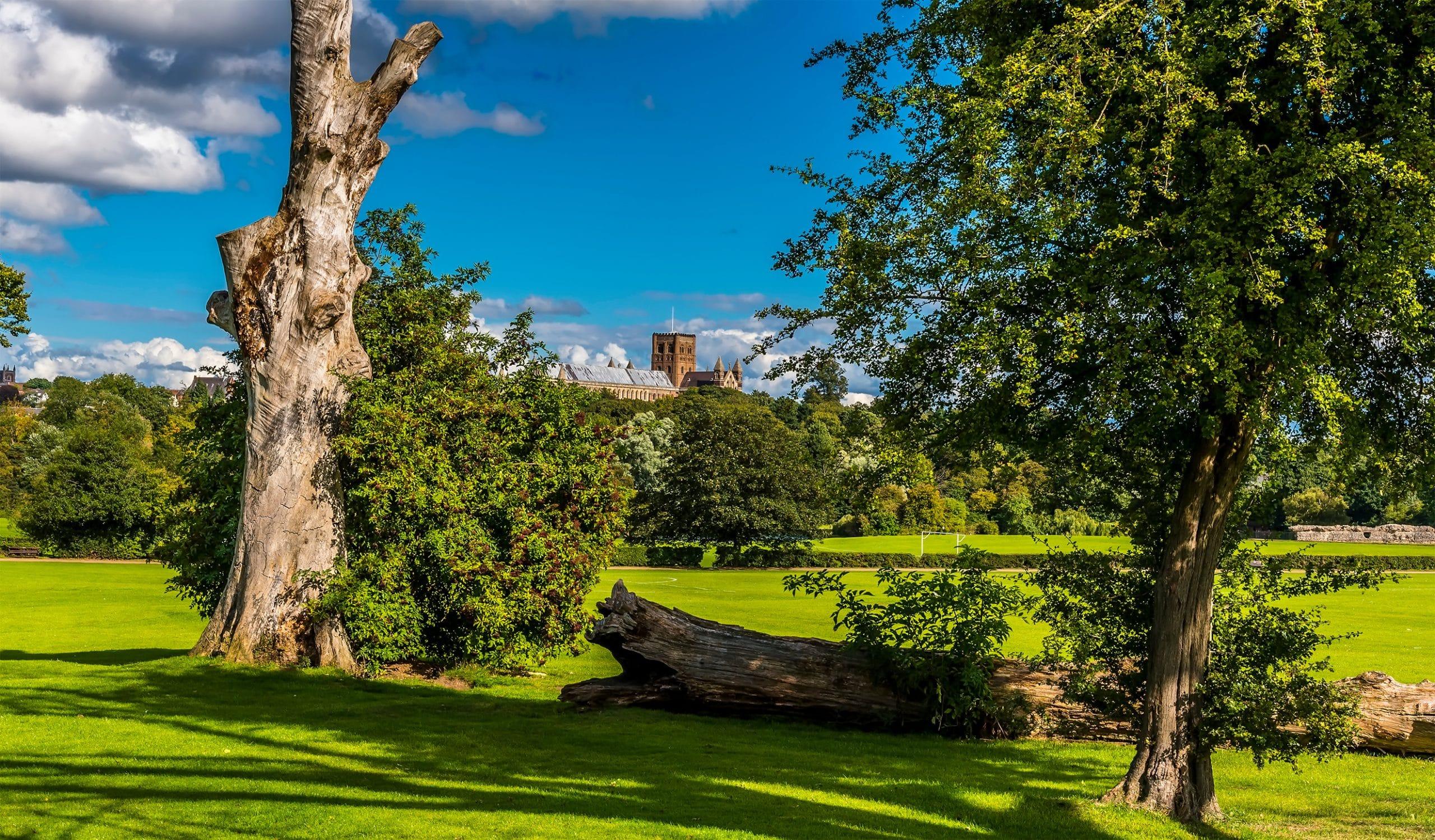
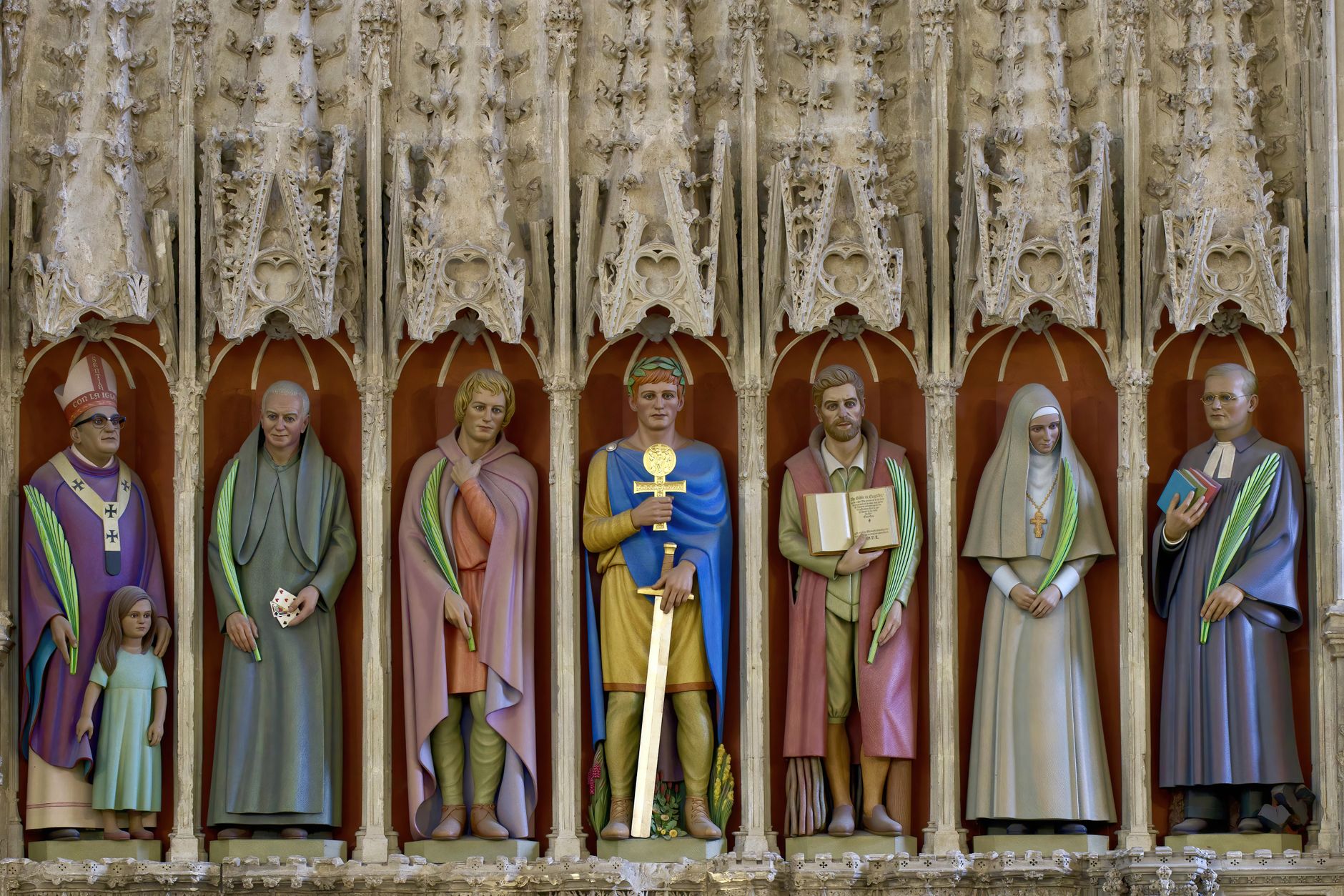
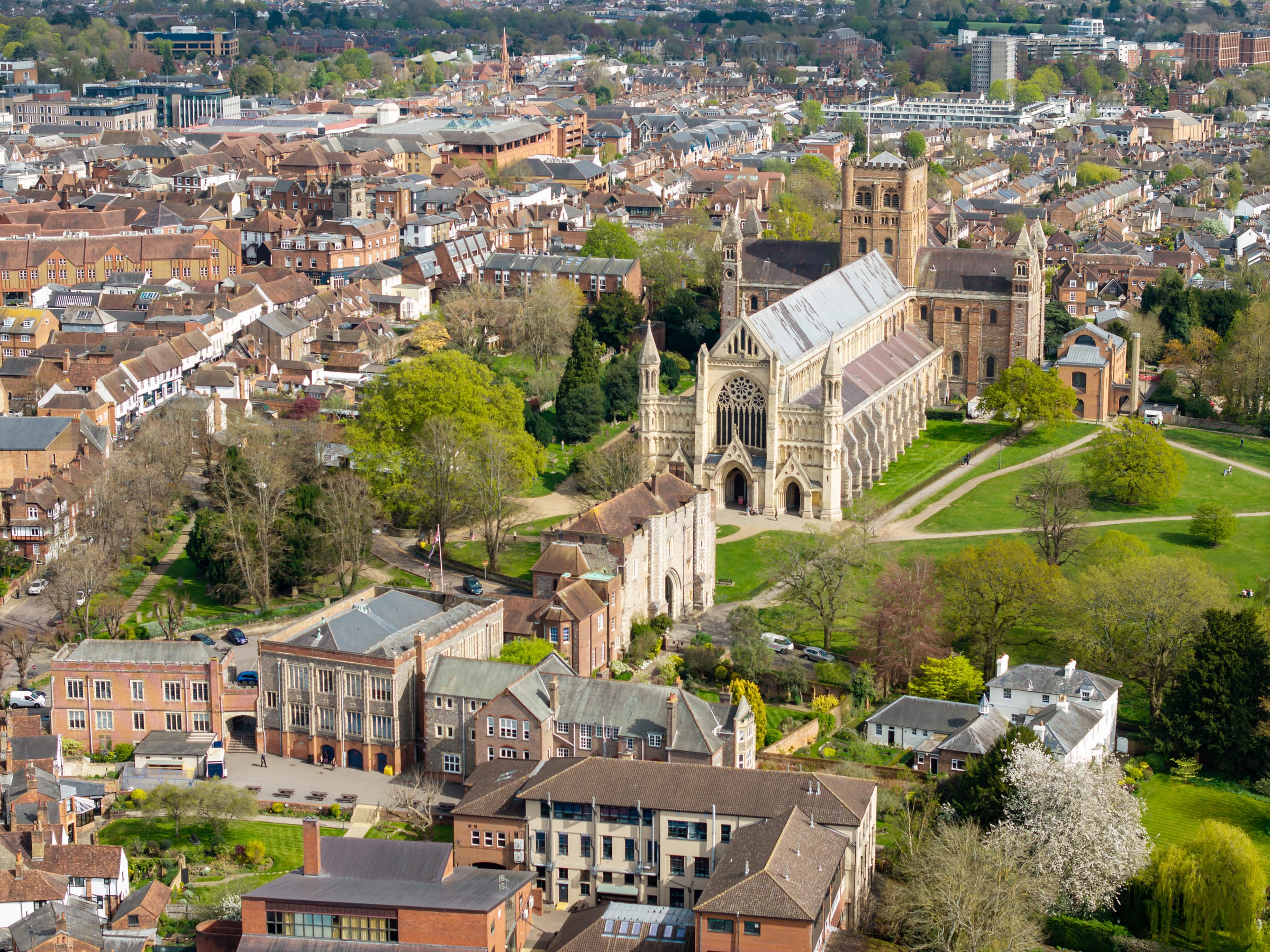
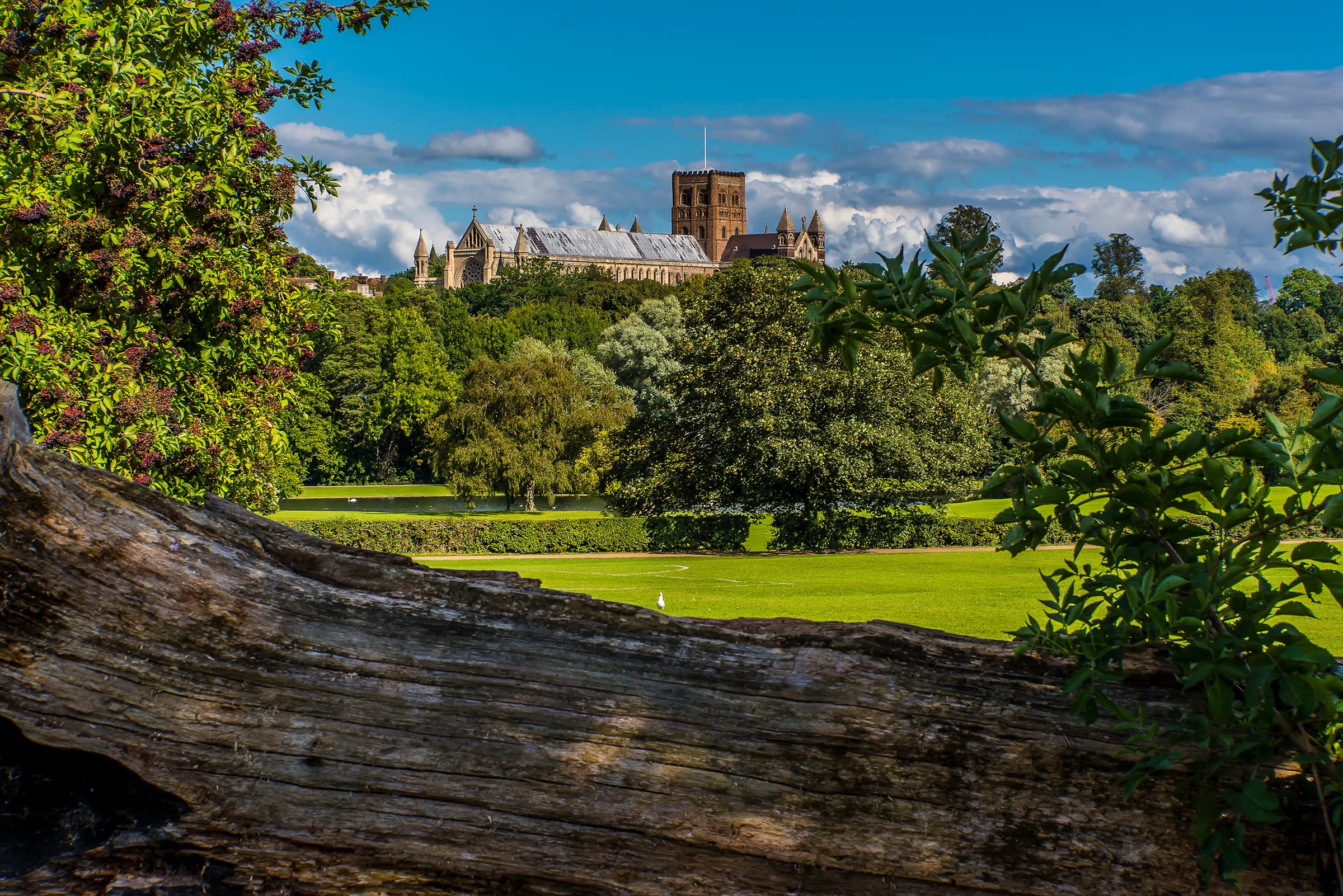
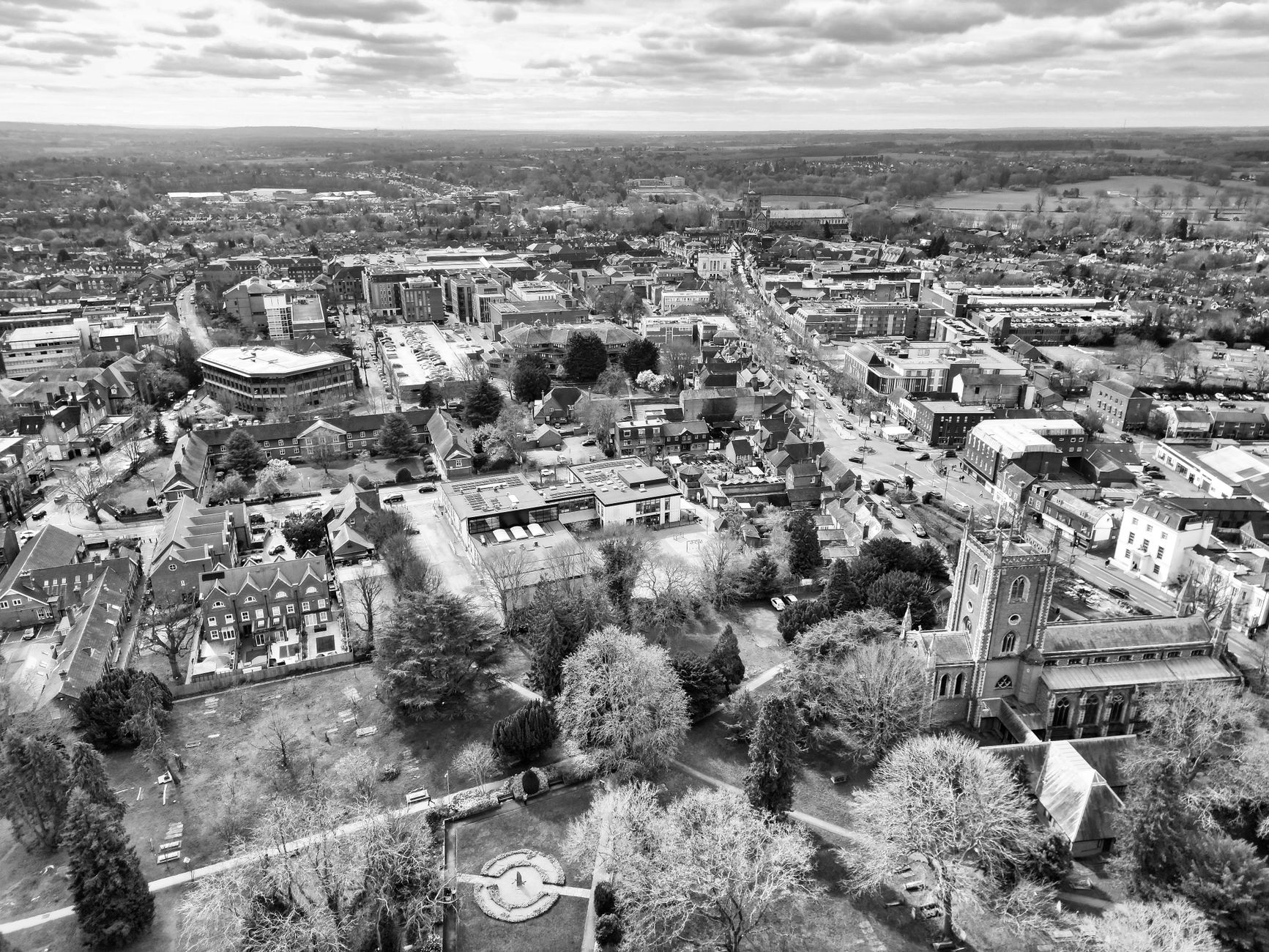
Step off the bus and you are almost immediately drawn towards the great grey-and-flint bulk of St Albans Cathedral, which does what all truly great cathedrals do: it stops you in your tracks. Officially the Cathedral and Abbey Church of Saint Alban, it stands on the spot where Alban, Britain's first Christian martyr, was executed in Roman times. The nave is one of the longest in the country, the Norman tower is built with reused Roman bricks pinched from nearby Verulamium (thrifty medieval builders knew a bargain when they saw one), and the medieval wall paintings inside are the kind of thing you find yourself quietly gawping at. It is free to visit, welcoming and full of little corners that reward slow wandering.
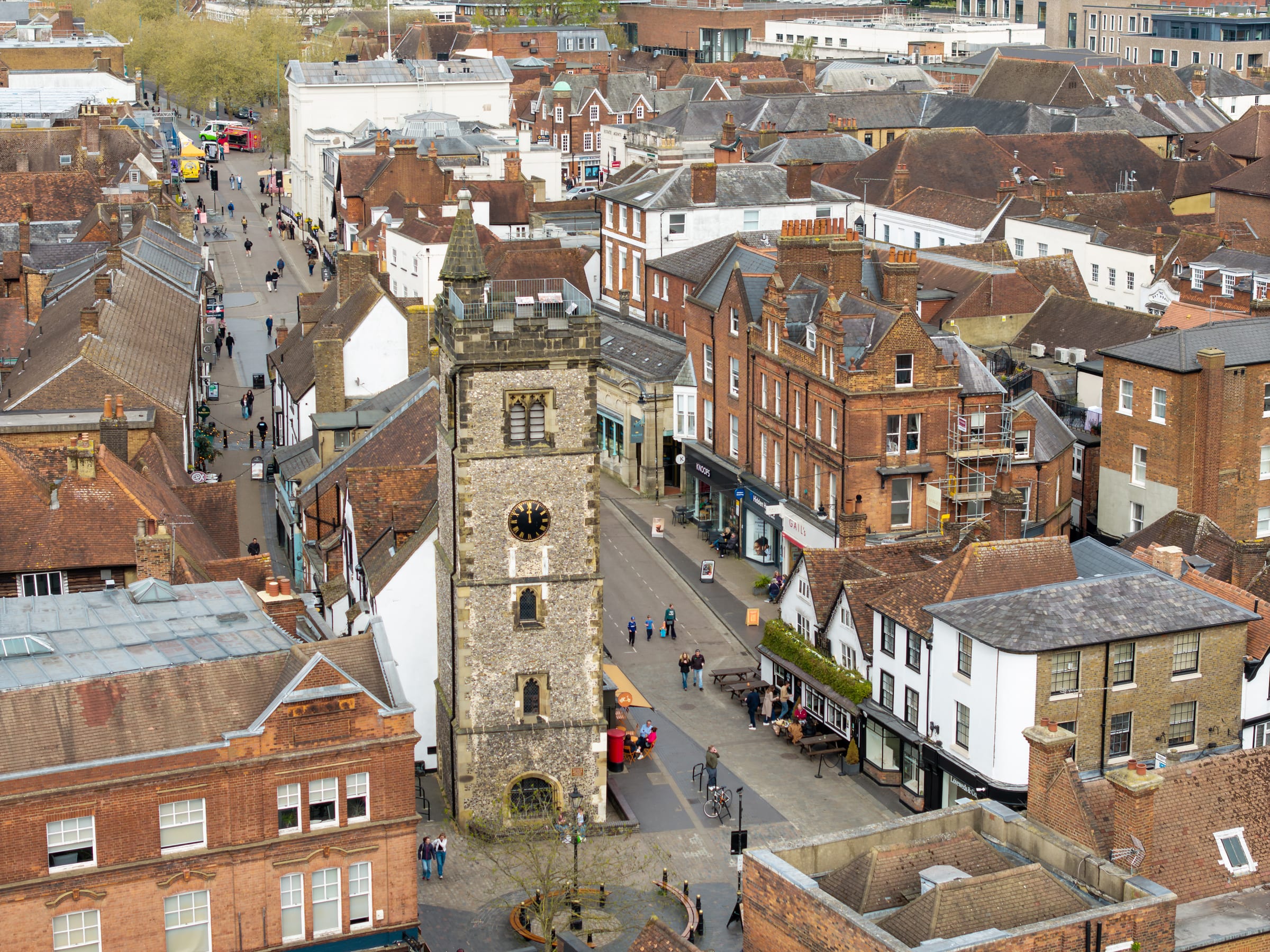
From the cathedral it is a short saunter down through Waxhouse Gate and into the tangle of pretty streets that make up the old heart of the city. French Row is a picture-book slice of medieval England, with jettied timber-framed buildings that lean towards each other like old friends sharing gossip. Look up for the Clock Tower, a rare curfew tower dating from the early fifteenth century and one of the few of its kind left in the country. Climb it when it is open and you get a smashing rooftop view of St Albans spread out below, cathedral tower and all.
Wednesdays and Saturdays add another layer of colour, because that is when the twice-weekly street market rolls out along St Peter's Street. It is one of the oldest chartered markets in England, going back more than a thousand years, and it still hums with proper market energy. Fruit and veg stalls, cheeses, olives, flowers, fabrics, books and the sort of cheerful banter you only get from traders who have been doing this for decades. Come hungry, leave heavier, and don't be surprised if you end up carrying a plant you had absolutely no intention of buying.
Then, of course, there is the Roman side of the story, and it is a whopper. St Albans grew up next door to Verulamium, one of the largest and most important towns in Roman Britain. Today, Verulamium Park sprawls beside the River Ver, a beautiful green space of lakes, meadows and mature trees where families feed the ducks and dog walkers do their laps. Dotted around are proper Roman remains: sections of the old town wall, the foundations of a townhouse and, tucked under its own little building, a wonderfully preserved hypocaust and mosaic floor that gives you goosebumps when you realise Roman feet once padded across it. It is the closest you can get in Britain to strolling around your own private Pompeii, and it is completely free.
On the edge of the park sits the Verulamium Museum, a genuine gem. Inside you'll find some of the finest Roman mosaics in the country, painted wall plaster, jewellery, coins and everyday objects that make life in Roman Britain feel surprisingly close and human. Just across the road, and often overlooked, is the Roman Theatre of Verulamium, the only example of its kind on show in Britain. Standing on the grassy bank, imagining togas, drama and the roar of a Roman crowd, is quietly magical.
All this wandering works up a thirst, and happily St Albans has that covered too. The city has one of the highest concentrations of historic pubs in the country, and pub of pubs must surely be Ye Olde Fighting Cocks, an octagonal little inn perched on the edge of Verulamium Park that has long claimed to be one of the oldest pubs in England. Whether or not the plaque tells the whole story, it is an atmospheric, low-beamed spot for a pint of local ale, and the walk to it through the park is half the pleasure. The Boot on Market Place and the Six Bells near the abbey are other cracking old boozers, all creaky floors, real ales and proper pub grub.
For food, St Albans punches wonderfully above its weight. Independent cafés cluster around George Street and French Row, tempting you in with the smell of freshly ground coffee and stacks of homemade cake. Lussmanns, tucked beside the cathedral, has built a loyal following for its sustainable, seasonal cooking, while the Waffle House down in St Michael's village serves up sweet and savoury waffles beside the tumbling waters of a former watermill on the River Ver. Genuinely, eating a maple-syrup-drenched waffle by a working millstream while ducks paddle past is one of those small joys that stays with you.
Speaking of St Michael's village, do wander over the little bridge past the Waffle House and up towards Kingsbury Watermill, a handsome sixteenth-century mill that still has its working waterwheel. This whole pocket of the city, with its lanes, cottages and glimpses of the River Ver, feels a world away from the modern high street even though it is only minutes on foot. Follow the river a little further and you slip out into the wider Ver Valley, where the water burbles through watercress beds and open meadow, a chalk stream landscape that is rarer than you might think.
Culture vultures should also point their feet towards the Museum of St Albans on Hatfield Road, which tells the city's story from Roman times through to the present day, and the Maltings shopping area, which mixes independent boutiques with familiar names in a pleasingly walkable setting. If you happen to be in town in autumn, keep an eye out for the St Albans Beer and Cider Festival, run by CAMRA (who are, appropriately enough, headquartered in the city). It is a very jolly affair.
What makes a day in St Albans so satisfying is the way it layers up. You start with Roman mosaics, drift into a Norman cathedral, wander past medieval timber frames, browse a thousand-year-old market, sink a pint in a pub that claims a slice of national history, and finish with a riverside stroll where kingfishers still flash by. It is history you can walk through, punctuated by very good cake.
And the whole thing is so blissfully easy by bus. Rolling back out of the city on Uno as the late afternoon sun catches the cathedral tower, watching Hertfordshire's lanes and commons unspool through the window, you get that lovely, slightly smug feeling that only car-free travellers know: no parking faff, no traffic stress, just the day itself, savoured properly. So next time you fancy a scenic escape that is big on history, heavy on charm and light on hassle, point yourself at St Albans and hop aboard Uno. Hertfordshire's hidden gem is only a happy bus ride away, and once you have visited, you will be plotting your return before you have even sat back down at home.