
Cliffe Village
MedwayCountrysideHistory & HeritageNature & Wildlife
Key info
 Category
Countryside
Medway
ME3 7SW
About this attraction
About Cliffe Village
Cliffe is a small, quiet village perched on the Isle of Grain peninsula in the Medway district. It centres on the impressive St Helen's Church, a flint and stone building with Norman origins, sitting prominently above the village. The wider landscape is dominated by open farmland, drainage ditches, and salt marshes characteristic of this low-lying area of North Kent.
Visitors come mainly for the rural atmosphere and to walk the surrounding landscape. The marshes are important for birdwatching, particularly in winter when wildfowl and waders are abundant. The church itself is usually open during daylight hours and contains medieval wall paintings and period features. From here you can access walking routes across the peninsula towards the power stations and industrial heritage of the lower Medway, or simply enjoy the openness of the landscape and the distant views across the Thames estuary.
Location
Find Cliffe Village on the map
Getting here
Scenic route that passes nearby
Hop on any of these for a scenic ride to Cliffe Village.
More to see in Medway
Other attractions nearby
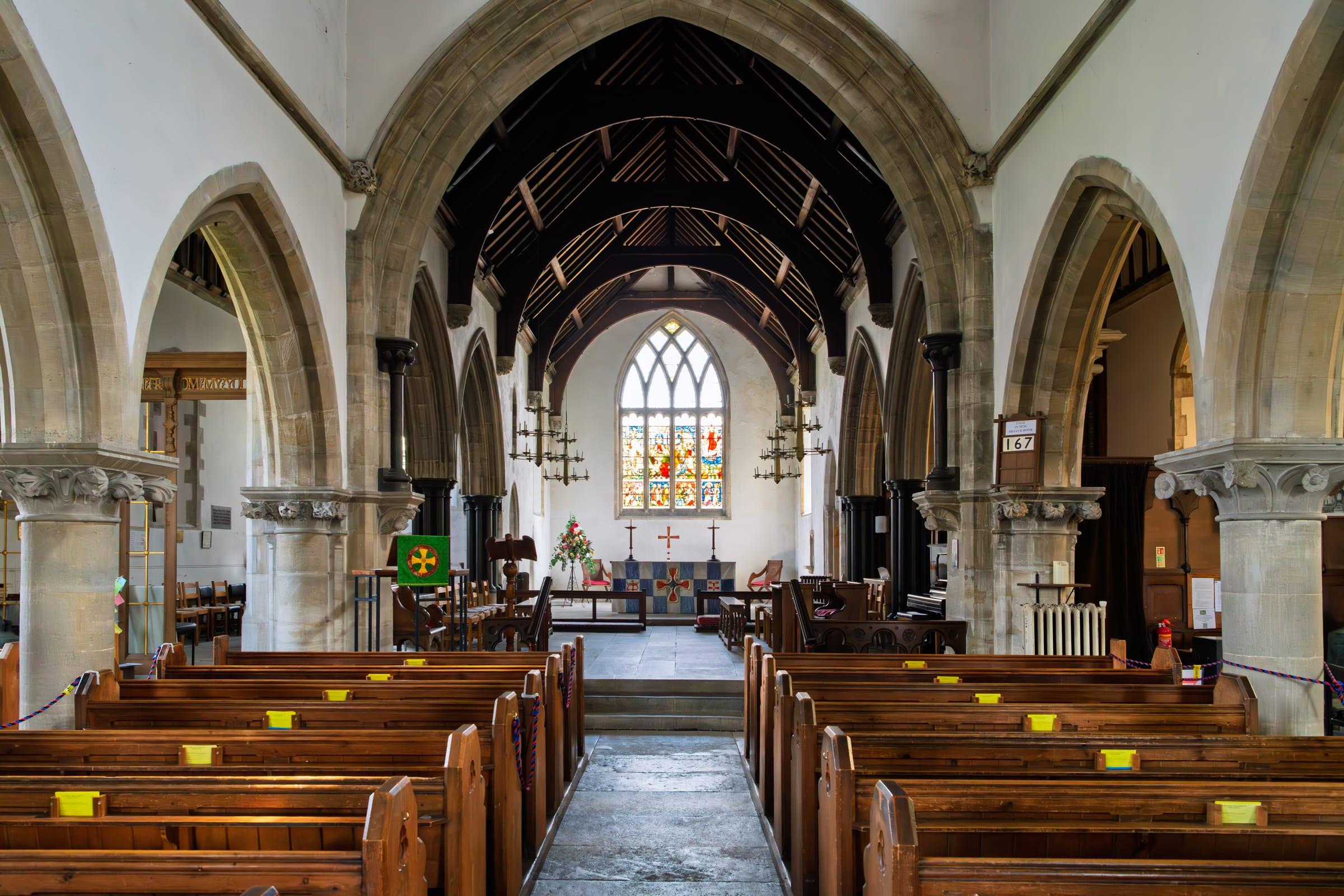
All Saints Church, Perry Street
Medieval parish church on the northern edge of the Medway area.

Cygnet Leisure Centre
Community leisure facility offering swimming, sports courts, and fitness activities.

Northfleet
Industrial riverside town in the Medway with heritage connections to cement production and the Thames.

Tilbury Ferry
River service crossing the Thames between Gravesend and Tilbury, Essex.

Gravesend Borough Market
Traditional market in Gravesend town centre selling fresh produce, flowers, and local goods.
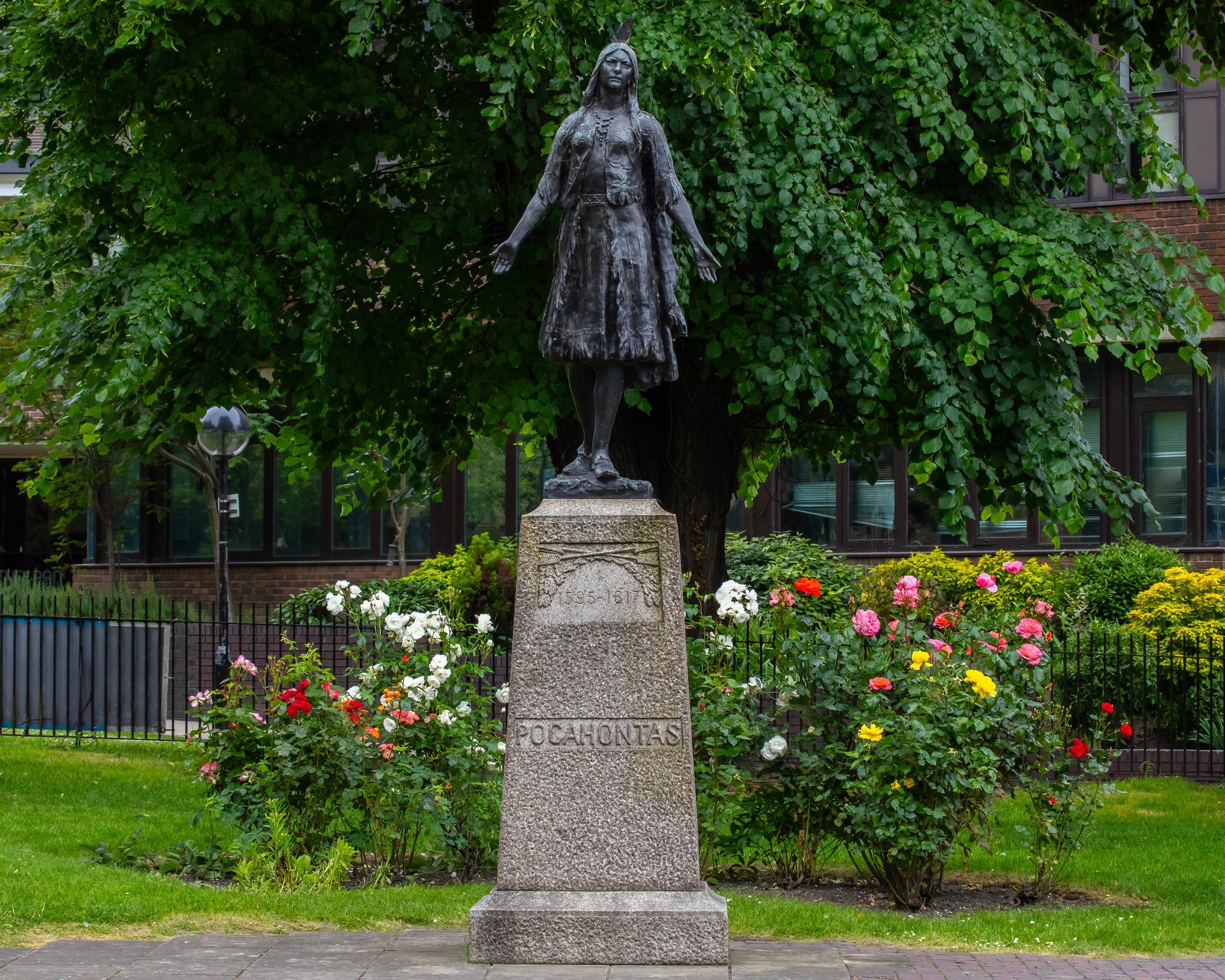
St George's Church and Pocahontas Statue
Medieval church where Pocahontas married John Rolfe in 1614.
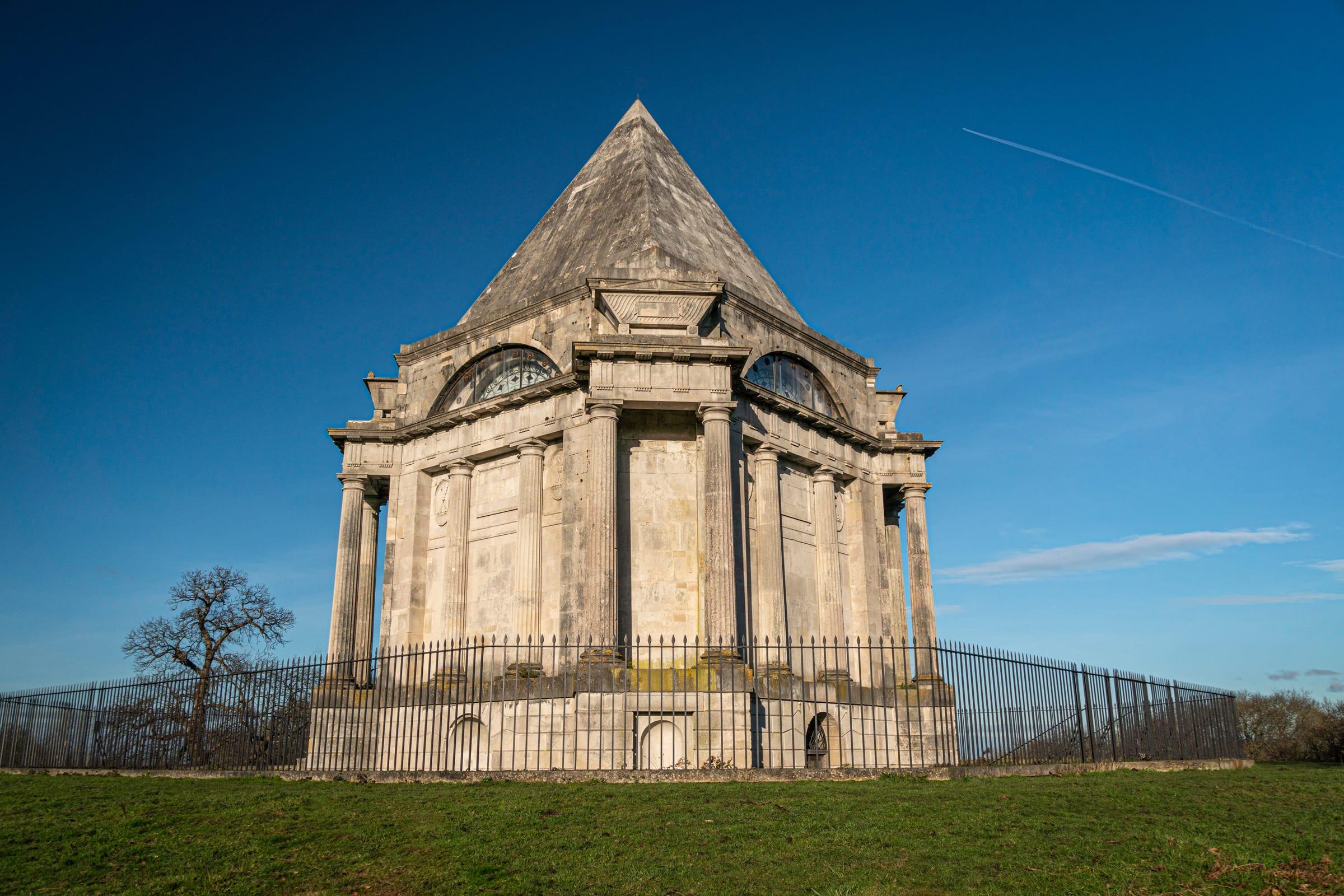
Cobham Park and Darnley Mausoleum
Historic country estate with 16th-century mansion, grounds, and Renaissance mausoleum.
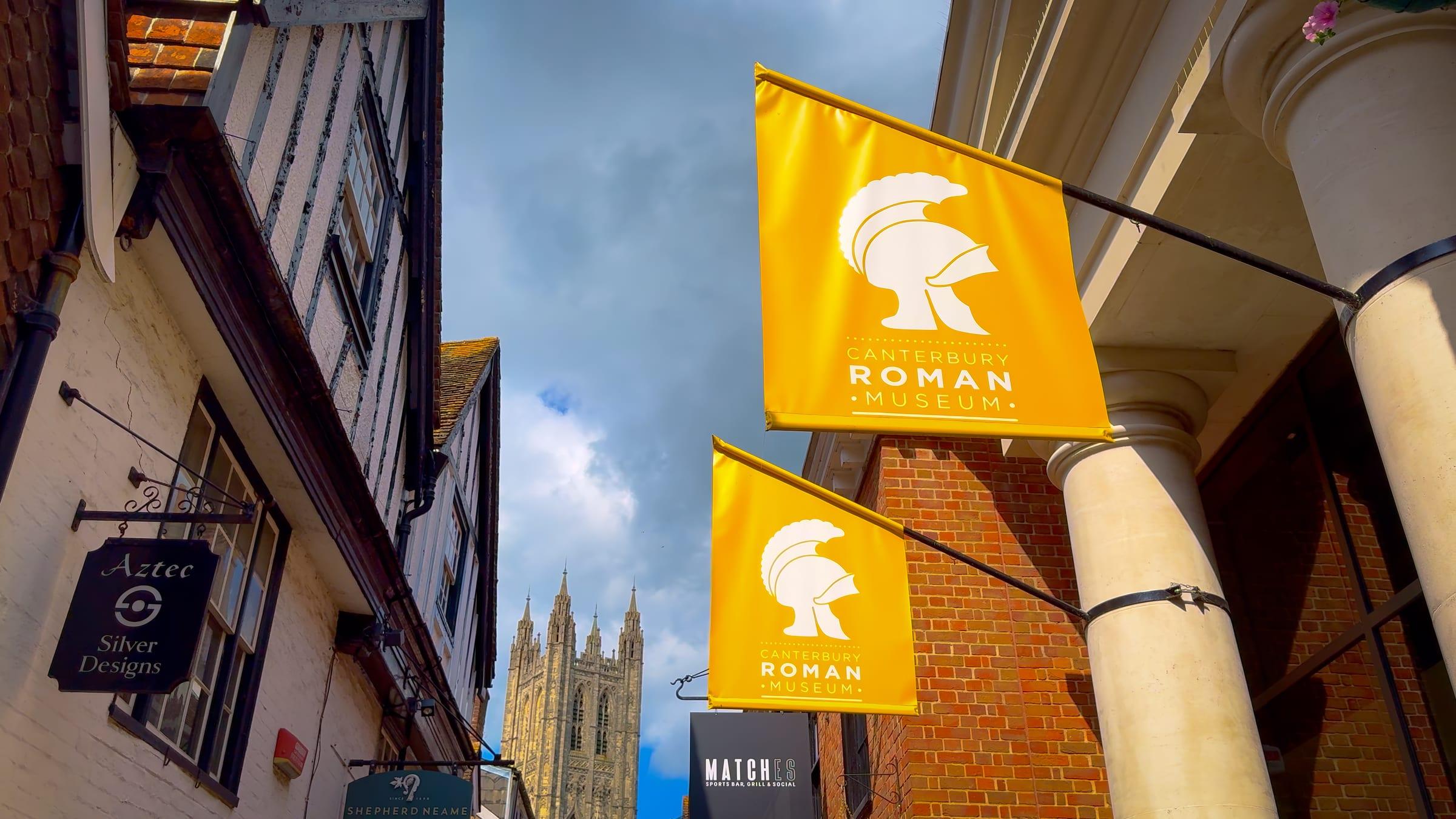
Canterbury Roman Museum
Underground Roman layer, mosaics and domestic artefacts revealing Canterbury's history as Durovernum…